Monk Fruit Extract for Dairy Applications
Monk Fruit Sweetener for Dairy Products
Monk Fruit Extract for Dairy Applications
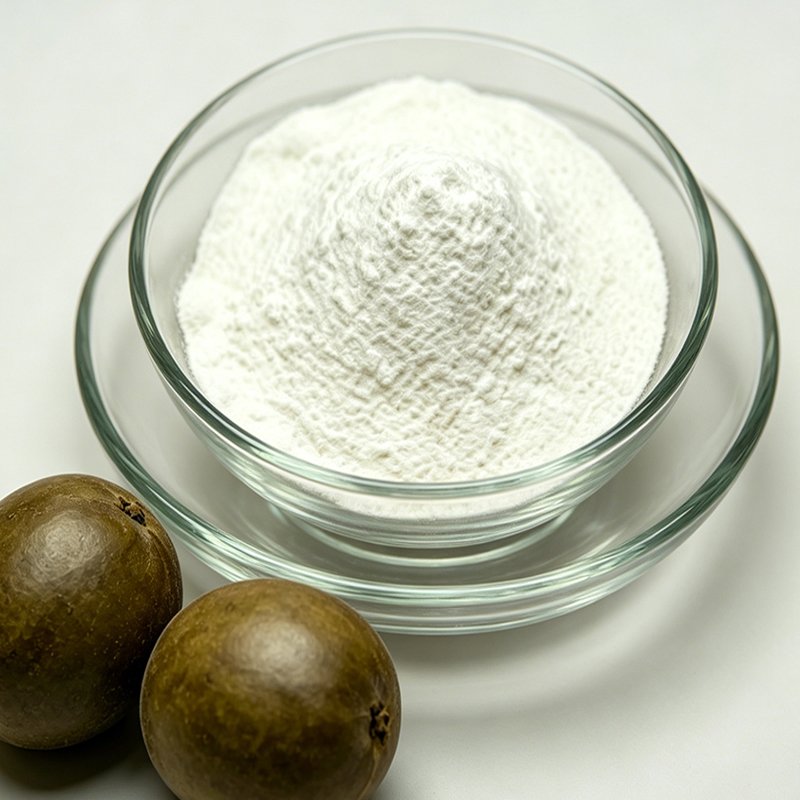
Monk Fruit Extract for Dairy Applications is a natural, zero-calorie sweetening solution specifically developed for dairy and dairy-alternative manufacturers seeking sugar reduction, clean-label positioning, and consumer-friendly formulations.
Derived from the fruit of Siraitia grosvenorii (Monk Fruit), this natural sweetener contains Mogroside V, the key sweet compound responsible for its intense sweetness and excellent taste profile. Depending on the specification, Monk Fruit Extract can provide sweetness ranging from approximately 80 to 300 times that of sucrose while contributing virtually no calories and no impact on blood glucose metabolism.
As global consumers increasingly seek reduced-sugar yogurts, flavored milk, fermented dairy products, protein dairy beverages, dairy desserts, and lactose-free products, Monk Fruit Extract has become one of the fastest-growing natural sweetener ingredients in the food industry.
Unlike artificial sweeteners, Monk Fruit Extract is plant-derived and recognized for its clean-label appeal. Compared with traditional sugar reduction strategies, it helps maintain sweetness while supporting lower-sugar formulations. It can be used alone or combined with erythritol, allulose, stevia, soluble fibers, and natural flavors to optimize taste and functionality.
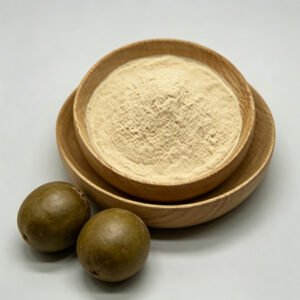
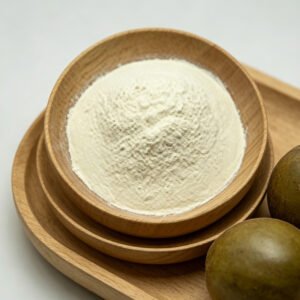
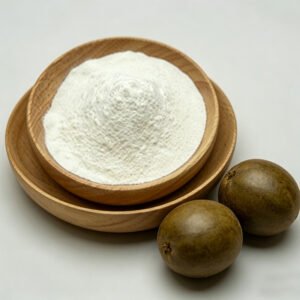
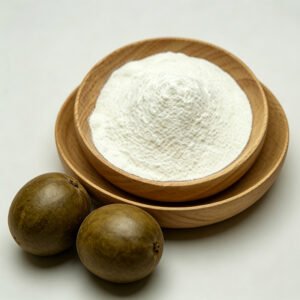
Available in multiple Mogroside V concentrations including 20%, 25%, 30%, 40%, 50%, 60%, and 75%, our Monk Fruit Extract solutions support global dairy manufacturers, nutritional product developers, OEM brands, beverage companies, and ingredient distributors seeking high-quality natural sweetening solutions.
Description
Monk Fruit Extract for Dairy Applications is a specialized natural sweetening ingredient designed to meet the growing demand for reduced-sugar and zero-added-sugar dairy products worldwide.
Consumer preferences continue to shift toward healthier foods with lower sugar content while maintaining excellent taste. Dairy manufacturers face significant formulation challenges when reducing sugar because sweetness contributes not only flavor but also mouthfeel and overall sensory balance.
Monk Fruit Extract provides an effective solution by delivering intense sweetness from a natural fruit source without adding calories.
The active sweet compounds, known as Mogrosides, particularly Mogroside V, provide clean sweetness suitable for a wide range of dairy applications.
1.Why Dairy Manufacturers Choose Monk Fruit Extract
1.1Natural Sweetness from Fruit
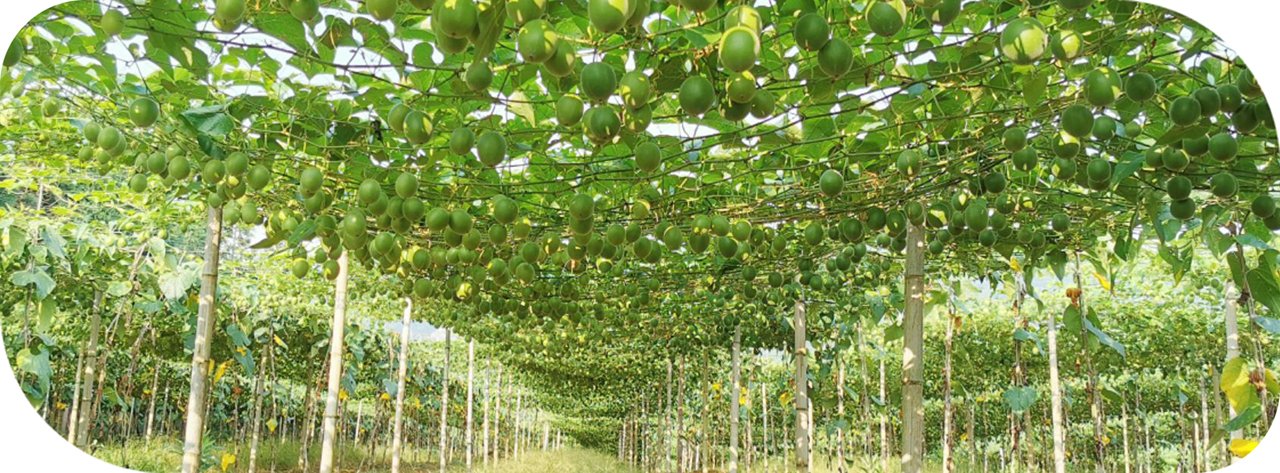
Monk Fruit Extract is derived from monk fruit, a fruit traditionally used in Asia for centuries.
Benefits include:
•Natural fruit-derived sweetener
•Zero-calorie sweetening
•Clean-label positioning
•Suitable for sugar reduction projects
•Excellent consumer acceptance
1.2Supports Sugar Reduction Strategies
Governments and health organizations worldwide continue to encourage reduced sugar consumption.
Monk Fruit Extract allows manufacturers to:
•Reduce added sugar
•Develop no-added-sugar products
•Lower calorie content
•Meet nutritional targets
•Improve front-of-pack labeling opportunities
1.3Excellent Flavor Performance in Dairy
Dairy products present unique formulation challenges due to protein interactions, fermentation processes, and fat content.
Monk Fruit Extract performs particularly well in:
•Yogurt
•Drinking yogurt
•Flavored milk
•Fermented dairy beverages
•Dairy desserts
•Protein shakes
•Ice cream
•Frozen dairy products
The ingredient delivers sweetness while maintaining the creamy sensory characteristics consumers expect.
2.Available Specifications
MV20 80-120x Sucrose
MV25 100-130x Sucrose
MV30 120-150x Sucrose
MV40 160x Sucrose
MV50 200x Sucrose
MV60 250x Sucrose
MV75 300x Sucrose
3.Monk Fruit Extract Manufacturing Process
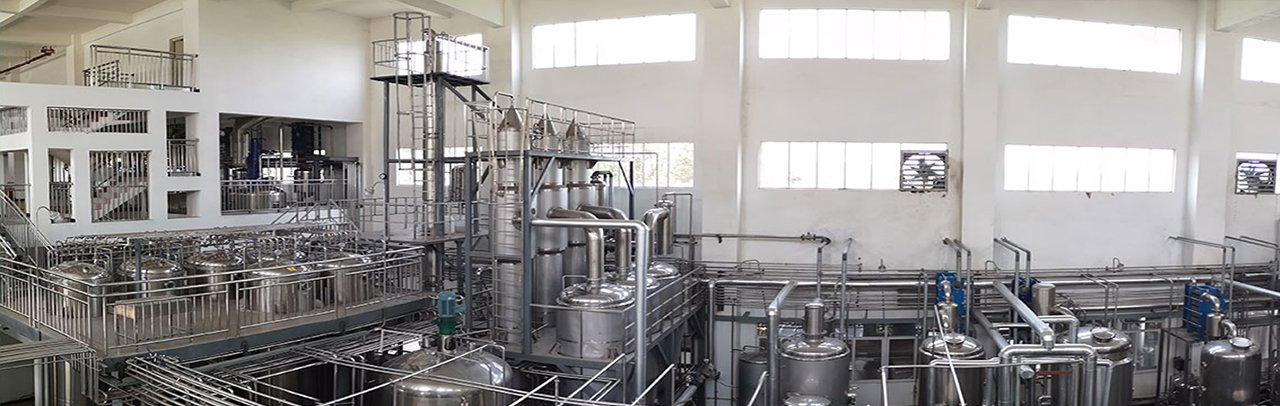
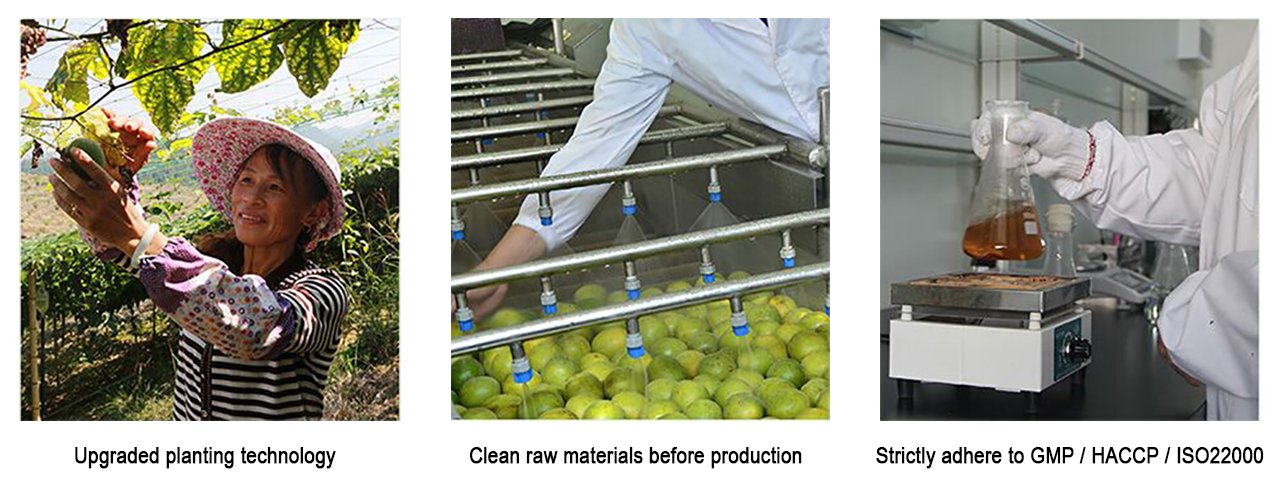
Our Mogroside V 60% Monk Fruit Extract is produced from carefully selected mature monk fruit using a controlled extraction and purification process designed to preserve natural sweetness while ensuring product safety, consistency, and quality.
3.1Production Flow
Raw Material Selection
→ Crushing
→ Water Extraction
→ Solid-Liquid Separation
→ Purification & Fractionation
→ Vacuum Concentration
→ Refining Process
→ Secondary Vacuum Concentration
→ High-Temperature Sterilization (CCP)
→ Spray Drying
→ Sieving
→ Magnetic Metal Removal
→ Blending
→ Inner Packaging
→ Metal Detection (CCP)
→ Outer Packaging
3.2Process Advantages
1. Natural Water Extraction
No synthetic sweeteners are added during processing. The natural sweet compounds are extracted directly from monk fruit using a controlled water extraction process.
2. Advanced Purification Technology
Multiple purification and separation steps help concentrate Mogroside V while reducing unwanted pigments, fibers, proteins, and impurities.
3. Vacuum Concentration
Low-temperature vacuum concentration minimizes thermal degradation and helps preserve the natural sweetness profile of monk fruit extract.
4. Spray Drying Technology
The concentrated extract is converted into a stable powder through spray drying, resulting in excellent flowability, solubility, and storage stability.
5. Food Safety Control
Critical Control Points (CCP) are implemented during sterilization and final metal detection to ensure product safety and compliance with international food manufacturing standards.
6. Consistent Quality
Every production batch undergoes strict quality control testing to verify:
•Mogroside V content
•Moisture level
•Microbiological safety
•Heavy metals
•Residual solvents
•Product appearance and color
This standardized manufacturing process helps ensure reliable quality for global food, beverage, dairy, nutritional supplement, and functional food applications.
3.3Why Manufacturing Process Matters for Monk Fruit Extract Quality
The quality of monk fruit extract depends not only on Mogroside V concentration but also on extraction technology, purification efficiency, drying methods, and quality control systems.
A well-controlled production process helps deliver:
•Cleaner sweetness profile
•Reduced bitterness
•Better water solubility
•Improved batch consistency
•Lower microbial risk
•Longer shelf life
•Better performance in beverage and food formulations
For manufacturers developing sugar reduction solutions, selecting a monk fruit extract supplier with a standardized production process is essential for maintaining product quality and formulation stability.
4.Dairy Application Areas
4.1Yogurt
Monk Fruit Extract is widely used in:
•Greek yogurt
•Stirred yogurt
•Set yogurt
•Drinking yogurt
•Probiotic yogurt
Benefits:
•Reduced sugar formulations
•Balanced sweetness
•Improved nutritional profile
•Consumer-friendly labeling
4.2Flavored Milk
Suitable for:
•Chocolate milk
•Strawberry milk
•Vanilla milk
•Functional milk beverages
Advantages:
•Reduced calories
•Natural positioning
•Consistent sweetness
4.3Fermented Dairy Products
Applicable in:
•Kefir
•Cultured dairy drinks
•Probiotic beverages
Monk Fruit Extract remains compatible with fermentation-based products.
4.4Dairy Protein Beverages
Ideal for:
•Whey protein drinks
•High-protein milk beverages
•Sports recovery drinks
•Clinical nutrition beverages
Benefits:
•Sugar reduction
•Improved nutritional positioning
•Better macro balance
4.5Ice Cream & Frozen Desserts
Can be used in:
•Ice cream
•Frozen yogurt
•Dairy desserts
•Reduced-sugar frozen treats
5.Functional Benefits
5.1Zero Calories
Monk Fruit Extract contributes negligible calories to finished formulations.
5.2Does Not Impact Blood Sugar
The sweet compounds are not metabolized like sugar.
5.3Clean Label
Consumers increasingly recognize monk fruit as a natural sweetener alternative.
5.4High Sweetness Efficiency
Very small amounts achieve desired sweetness.
5.5Versatile Formulation
Compatible with:
•Dairy proteins
•Milk solids
•Fermentation cultures
•Natural flavors
6.OEM & Custom Manufacturing Support
We support global brands and manufacturers with:
6.1Custom Sweetness Solutions
•20%-75% Mogroside V
•Customized sweetness intensity
•Application-specific formulations
6.2OEM Development
•Private label projects
•Customized blends
•`Dairy-specific sweetener systems
6.3Technical Support
•Formulation guidance
•Sugar replacement calculations
•Stability recommendations
7.Packaging
7.1Powder
•20 kg/carton
•Double food-grade inner bags
7.2Customized Packaging
Available upon request.
8.Storage
Store in:
•Cool
•Dry
•Well-ventilated conditions
Keep sealed away from moisture and direct sunlight.
9.Target Markets
9.1Dairy Manufacturers
•Yogurt producers
•Milk beverage companies
•Ice cream manufacturers
9.2Nutritional Brands
•Sports nutrition
•Functional foods
•Healthy dairy products
9.3Ingredient Distributors
•Food ingredient traders
•Specialty ingredient suppliers
9.4OEM/ODM Companies
•Contract manufacturers
•Private label producers
10.Why Global Buyers Source Monk Fruit Extract from China
China remains the dominant global production region for monk fruit cultivation and extraction.
Industry estimates indicate that the overwhelming majority of global monk fruit raw material supply originates from China due to:
•Suitable growing regions
•Long cultivation history
•Established extraction technologies
•Stable industrial supply chains
•Large-scale production capacity
This makes China the world’s primary source for commercial Monk Fruit Extract production.

Frequently Asked Questions (FAQ)
1. What is Monk Fruit Extract?
Monk Fruit Extract is a natural sweetener derived from monk fruit (Siraitia grosvenorii) and contains naturally occurring sweet compounds known as mogrosides.
2. What is Mogroside V?
Mogroside V is the primary sweet component found in monk fruit and is responsible for the fruit’s characteristic sweetness.
3. Is Monk Fruit Extract suitable for dairy products?
Yes. It is widely used in yogurt, milk beverages, dairy desserts, fermented dairy products, and protein drinks.
4. Does Monk Fruit Extract contain calories?
Monk Fruit Extract contributes virtually no calories at normal usage levels, making it suitable for low-calorie product development.
5. Can it replace sugar completely?
Depending on the formulation requirements, Monk Fruit Extract can partially or fully replace sugar in many dairy applications.
6. Which Mogroside V level is best for yogurt?
Many manufacturers choose MV40, MV50, or MV60 based on target sweetness intensity, flavor profile, and formulation objectives.
7. Is it suitable for protein beverages?
Yes. Monk Fruit Extract performs well in high-protein formulations, including protein shakes, dairy protein beverages, and sports nutrition products.
8. Can it be blended with erythritol?
Yes. Combining Monk Fruit Extract with erythritol is one of the most common approaches for achieving a balanced sweetness profile.
9. Is it suitable for clean-label products?
Yes. Monk Fruit Extract is widely recognized as a natural sweetener and is frequently used in clean-label product formulations.
10. Does it affect fermentation?
Generally, Monk Fruit Extract does not interfere with normal yogurt fermentation processes when used at recommended levels.
11. Is it suitable for sugar-free dairy products?
Yes. It is frequently used in sugar-free, reduced-sugar, and no-added-sugar dairy formulations.
12. What packaging options are available?
Standard industrial packaging options are available, and customized packaging solutions can be provided according to customer requirements.
13. Can OEM formulations be provided?
Yes. Customized sweetener solutions, formulation support, and OEM services can be developed based on specific project needs.
14. What certifications are commonly available?
Depending on production batches and target market requirements, available certifications may include:
• Kosher
• Halal
• Organic
15. Which markets are driving demand?
North America, Europe, Japan, South Korea, Australia, and other health-conscious markets continue to drive strong demand for Monk Fruit Extract in dairy applications.


Rahul Sharma –
We incorporated this monk fruit extract into flavored yogurt and dairy beverage formulations. It helped reduce added sugar while maintaining a smooth and consumer-friendly taste profile. The ingredient blended well with dairy systems.