

Red Rice Red Color Natural Anthocyanin Pigment Extract
Red Rice Red Color Natural Anthocyanin Pigment Extract
Red Rice Anthocyanin Natural Red Pigment
Red Rice Red Color, also known as Black Rice Anthocyanin, is a natural pigment extracted and refined from the grains of Oryza sativa L. var. indica (black rice), a plant in the Poaceae (Gramineae) family. This pigment belongs to the anthocyanin class of natural colorants, with cyanidin-3-glucoside (chrysanthemin) as the main coloring component. The product appears as a red to purplish-red powder, easily soluble in water and aqueous ethanol solutions, and offers a clean, bright hue suitable for multiple industries.
Red Rice Red exhibits excellent coloring strength, high purity, and strong antioxidant properties. It is non-toxic, non-allergenic, and eco-friendly, making it a perfect alternative to synthetic colorants in foods, beverages, cosmetics, and nutraceuticals.
The pigment’s color tone and stability vary with pH:
-
In acidic conditions, it shows a stable red to purplish-red color.
-
In neutral environments, the color shifts to bluish tones.
-
In alkaline solutions, it becomes greenish and unstable.
Because of its vivid and natural hue, Red Rice Red is widely used in acidic foods and beverages, such as fruit juices, jams, jellies, wines, yogurts, and confectionery products. Beyond its coloring properties, it also delivers functional health benefits thanks to its anthocyanin compounds, which are known for their antioxidant, anti-inflammatory, and anti-aging effects.
This pigment is extracted using aqueous or ethanol extraction technologies under controlled temperature and pH, preserving the integrity of anthocyanins and ensuring food-grade safety.
Description
Natural Origin: Extracted from the grains of black rice (Oryza sativa L.).
Main Pigment: Cyanidin-3-glucoside (anthocyanin compound).
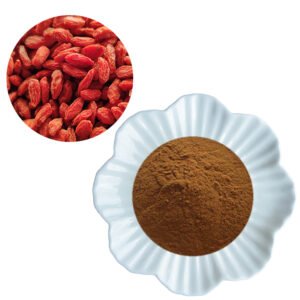
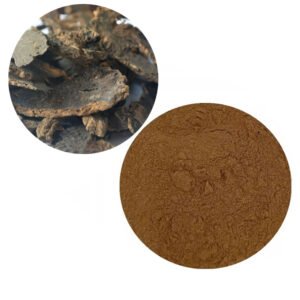
Appearance: Red to purplish-red fine powder.
Solubility: Soluble in water and aqueous ethanol; insoluble in oils.
Color Stability: pH-dependent color tone; stable under acidic conditions.
Advantages: Brilliant color, high purity, strong antioxidant activity.
Safety: 100% natural, non-toxic, biodegradable, and safe for human consumption.
Applications
1.Food & Beverage Industry
Widely used as a natural red pigment for:
1.1Fruit juices, wines, and flavored beverages
1.2Jams, jellies, and marmalades
1.3Yogurts, puddings, and desserts
1.4Confectionery, bakery, and snack foods
2.Nutraceuticals & Functional Foods
2.1Natural antioxidant additive for health foods
2.2Ingredient in functional beverages and beauty-from-within supplements
2.3Used in capsules, tablets, and powder formulations for antioxidant protection
3.Cosmetics & Personal Care
3.1Used as a natural colorant in lipsticks, lip gloss, blush, and skincare
3.2Provides natural color and anti-aging benefits
3.3Compatible with organic and clean beauty formulations
4.Pharmaceuticals
4.1Used as a natural colorant for syrups, capsules, and nutraceutical formulations
4.2Offers health-promoting properties through anthocyanins
Botanical Source:Oryza sativa L. (Black Rice)
Main Pigment:Cyanidin-3-glucoside
Appearance:Red to purple-red powder
Solubility:Soluble in water and ethanol
pH Stability:Stable in acidic environments
Odor & Taste:Characteristic, slightly astringent
Purity:HPLC ≥ 98% (Food Grade)
Shelf Life:24 months (cool, dry storage)
Safety Standards:FAO/WHO, FDA, EU Food Additive Compliance
Advantages of Red Rice Red Pigment
1.Eco-friendly & Natural Alternative to synthetic red dyes (e.g., Allura Red, Carmine).
2.Excellent pH adaptability for acidic food formulations.
3.Rich in Anthocyanins: Provides both color and antioxidant functionality.
4.Customizable Formulations: Available in liquid, powder, and microencapsulated forms.
5.OEM/ODM Support: Suitable for global manufacturing partners in food, cosmetics, and pharma industries.
6.Regulatory Compliance: Meets global safety standards for use in food, cosmetics, and pharmaceuticals.
Red Rice Red Pigment is derived from black rice, a traditional grain long prized in Asia for its rich nutritional value and deep purple hue. The vivid color results from anthocyanins, natural flavonoid compounds that provide color while also supporting health and wellness.
Through advanced aqueous ethanol extraction and membrane purification technologies, we isolate and refine anthocyanin pigments to achieve high color concentration and purity. The resulting pigment powder displays a vibrant red-to-purplish-red shade and maintains stability in acidic food matrices.
Anthocyanins are bioactive compounds known for their free radical scavenging, anti-aging, and cardiovascular-protective effects. These natural antioxidants also enhance skin radiance, making the pigment suitable for cosmeceutical formulations.
1.Application in Food & Beverage:In the global food industry, Red Rice Red Pigment is used as a natural colorant in fruit drinks, alcoholic beverages, desserts, dairy products, and confectionery. Unlike synthetic dyes, it adds color naturally without chemical residues. Its stability under low pH makes it ideal for beverages and jams, where long shelf life and vivid hues are essential.
2.Nutraceutical and Functional Use:Anthocyanin pigments like those found in black rice are widely recognized for promoting eye health, immune system balance, and vascular protection. When formulated into health supplements, they deliver both functional and aesthetic benefits.
3.Cosmetics and Beauty Applications:Due to its natural reddish hue and antioxidant activity, Red Rice Red is popular in organic makeup and skincare formulations. It adds a warm tint to lip balms, blushes, and tinted creams while offering protection against oxidative stress.
4.Pharmaceutical Applications:The pigment’s non-toxic nature allows its use in pharmaceutical coatings, colored capsules, and plant-based nutraceutical formulations, serving as a clean-label ingredient for global manufacturers.
5.Production and Quality Control:Our production process adheres to strict GMP, ISO22000, and HACCP standards. Every batch is tested for purity, color value, solubility, heavy metals, and microbial safety to ensure compliance with international regulations (FDA, EFSA, JECFA).
6.Packaging & Logistics:Available in 1kg aluminum foil bags, 25kg fiber drums, or custom packaging for OEM/ODM clients.
Red Rice Red Color (Black Rice Anthocyanin) – FAQ
1. What is Red Rice Red Color?
Red Rice Red Color, also known as Black Rice Anthocyanin, is a natural pigment extracted from the grains of Oryza sativa L. var. indica (black rice). Its main coloring component is cyanidin-3-glucoside (chrysanthemin), giving a red to purplish-red hue. It is water-soluble, safe, and suitable for food, beverage, cosmetic, and nutraceutical applications.
2. What are the main benefits of Red Rice Red Color?
-
Natural and safe: Non-toxic, non-allergenic, and eco-friendly.
-
Strong coloring power: Provides vibrant red to purplish-red tones.
-
Functional properties: Rich in anthocyanins, offering antioxidant, anti-inflammatory, and anti-aging benefits.
-
Versatile: Suitable for acidic foods and beverages, cosmetics, and dietary supplements.
3. How does pH affect Red Rice Red Color?
-
Acidic conditions: Stable red to purplish-red.
-
Neutral conditions: Shifts to bluish tones.
-
Alkaline conditions: Turns greenish and unstable.
4. What types of products can use Red Rice Red Color?
It is widely used in:
-
Food & Beverages: Fruit juices, jams, jellies, yogurts, confectionery, wines.
-
Cosmetics: Lipsticks, skincare products, and natural dyes.
-
Nutraceuticals: Functional powders and supplements.
5. How is Red Rice Red Color extracted?
The pigment is extracted from black rice using water or ethanol under controlled temperature and pH. This process preserves anthocyanins’ integrity and ensures high-quality, food-grade pigment.
6. Is Red Rice Red Color safe for consumption?
Yes, it is non-toxic, non-allergenic, and complies with food safety regulations. It is considered a clean-label alternative to synthetic colorants.
7. How should Red Rice Red Color be stored?
-
Keep in a cool, dry place away from direct sunlight.
-
Seal tightly to prevent moisture or contamination.
-
Avoid prolonged exposure to heat or alkaline conditions to maintain stability.
8. Can Red Rice Red Color be used in beverages?
Yes, especially in acidic beverages like fruit juices, soft drinks, and flavored water, where it maintains a bright red to purplish-red color.
9. Does Red Rice Red Color have antioxidant properties?
Yes, it is rich in anthocyanins, which act as antioxidants, helping to protect cells from oxidative stress and supporting overall health benefits.
10. How is the color strength of Red Rice Red measured?
Color strength is typically measured by the absorbance of cyanidin-3-glucoside at 530 nm or by using standardized coloring units for quality control.

Reviews
There are no reviews yet.