
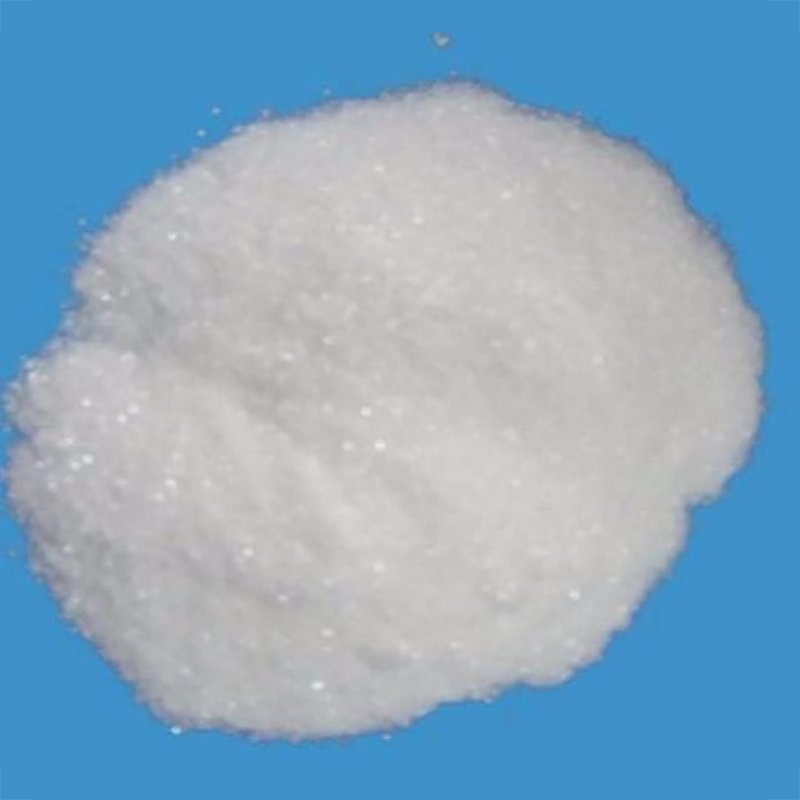
Indole-3-Acetic Acid Premium Plant Hormone API for Research & Growth
Indole-3-Acetic Acid Premium Plant Hormone API for Research & Growth
Indole-3-Acetic Acid Plant Hormone Supplier
Indole-3-Acetic Acid (IAA) is a naturally occurring plant hormone belonging to the auxin family, widely recognized for its pivotal role in regulating plant growth and development. As a high-value bioactive compound, IAA is essential in processes such as cell elongation, root initiation, vascular differentiation, and fruit development. Its activity makes it a cornerstone in plant physiology research, agricultural biotechnology, and experimental plant growth regulation.
This compound is particularly valuable in scientific research, enabling detailed studies on plant morphogenesis, tropisms, and hormone signaling pathways. In practical agricultural applications, Indole-3-Acetic Acid is used to stimulate rooting in plant cuttings, improve seedling establishment, enhance biomass accumulation, and optimize crop yield. The molecule’s ability to modulate gene expression linked to plant growth ensures its high utility across experimental and applied plant sciences.
Manufactured with precision and high purity, our IAA offers excellent solubility, stability, and consistency, ensuring reliable results in laboratory studies and controlled agricultural applications. Its plant-based origin guarantees minimal contamination and bioactive integrity, making it a trusted raw material for both research and commercial plant-growth products.
Description
Product Name: Indole-3-Acetic Acid (IAA)
CAS No.: 87-51-4
Molecular Weight Range: 175–176 g/mol
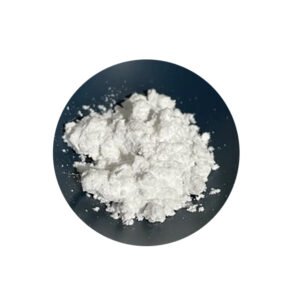
Appearance: White to off-white crystalline powder
Molecular Formula: C₁₀H₉NO₂
Molecular Weight: 175.18 g/mol
Functions:
Regulates plant cell elongation and division
Promotes root initiation and development
Stimulates vascular differentiation and leaf expansion
Enhances biomass accumulation and plant vigor
Useful for agricultural and horticultural research
Supports experimental studies on plant hormone pathways
Applications
1.Research & Laboratory Use: Plant physiology, molecular biology, and auxin signaling studies
2.Agriculture & Horticulture: Rooting agents for cuttings, seedling growth promoters, biomass enhancers
3.Biotechnology & Crop Improvement: Controlled studies for yield optimization and stress tolerance
Product Features & Advantages
1.High purity (>98%) with consistent bioactivity
2.Plant-based origin ensures safety and authenticity
3.Produced under ISO9001, GMP, and HACCP-certified facilities
4.Excellent solubility and stability for experimental precision
5.Suitable for both small-scale laboratory use and bulk agricultural applications
6.OEM/ODM support for custom formulations and bulk orders
Why Choose Us
1.Certified Manufacturing: ISO9001, GMP, HACCP compliant
2.Global Supply: Reliable logistics and documentation for international shipment
3.R&D Expertise: Support in optimizing IAA applications in research or commercial use
4.Quality Assurance: Comprehensive batch testing for purity, stability, and performance
5.Flexible Packaging: Aluminum foil, glass containers, or bulk drums according to customer needs
Storage & Handling
1.Storage Conditions: Keep in a cool, dry, and dark place below 25°C; protect from light and moisture
2.Shelf Life: 24 months in original sealed packaging
3.Handling: Use gloves and avoid inhalation or direct contact; handle in well-ventilated areas
Our company provides high-purity Indole-3-Acetic Acid with full international certifications, OEM/ODM support, and bulk supply capabilities. Trusted by global B2B partners in agriculture, plant biotechnology, research laboratories, and horticulture industries, our IAA ensures superior plant growth modulation, consistent bioactivity, and reliable performance for diverse applications.
Standard plant extract series
| Item No | Product name | Active ingredients | Specification | Item No | Product name | Active ingredients | Specification | |
| 1 | Ginkgo Biloba Extract | Flavonoids,Lactones | 24%,6% | 54 | Mangosteen Extract | AlphaMangostina | 10-90% | |
| 2 | Shitake Mushroom Extract | Polysaccharides (UV) | 30%, 40%,50% | 55 | RoseHipExtract | Flavones | 1-20% | |
| 3 | Ivy Leaf Extract | Total Hederasaponins | 5%-60% | 56 | Schisandra Berry Extract | Schizandrins | 2-9% | |
| 4 | Ginseng Extract | Ginsenosides | 5%-80% | 57 | Cassia Seed Extract | Anthaquinone | 3% | |
| 5 | Ginger Extract | Gingerols | 5%,10%,25% | 58 | Soybean Extract | soy lsoflavones | 40% | |
| 6 | Rhodiola Rosea Extract | Salidroside, Rosavins | 3%-98%,3% | 59 | Chaga Extract Powder | Polysaccharides | 50% | |
| 7 | Ganoderma Extract | Polysaccharides (UV) | 30%,40%,50% | 60 | Hericium Erinaceus Extract | Polysaccharides | 30% | |
| 8 | Red Clover Extract | Total Isoflavones | 8%,10%,20%,40% | 61 | Trametes Versicolor Extract | Polysaccharides | 30% | |
| 9 | Grape Seed Extract | OPC | 95% | 62 | Cordyceps Militaris Extract | Polysaccharides | 30% | |
| 10 | Turmeric Extract | Curcumin | 95% | 63 | Ginkgo Biloba Extract | Ginkgo Flavonoids | 24% | |
| 11 | Quercetin | Quercetin | 95% | 64 | Angelica Sinensis Extract | Ferulic Acid | 1% | |
| 12 | Rutin | Rutin | 95% | 65 | Eleuthero Extract | Eleutherosides | 0.8% | |
| 13 | Diosmin | Diosmin | 90% | 66 | Gymostemma Extract | Gypenosides | 80% | |
| 14 | Hespridin | Hespridin | 90% | 67 | Hawthorn Extract | Proanihocyanidins | 20% | |
| 15 | Marigold Extract | Lutein / Zeaxanthin | 2%-80% | 68 | Ephedra Extract | Ephedrine | 8% | |
| 16 | Griffonia Simplicifolia Extract | 5-HTP | 10%-99% | 69 | Olive Leaf Extract | Oleuropein | 20% | |
| 17 | Kava Extract | Kavalactones | 30%,50%,70% | 70 | Centella Asiatica Extract | Asiaticoside | 40% | |
| 18 | Hawthorn Extract | Flavonoids | 2%,50% | 71 | Calendula Extract | Lutein | 5% | |
| 19 | Hibiscus Flower Extract | Anthocyanins | 5%-25% | 72 | Chamomile Extract | Aigenin | 1% | |
| 20 | Lion’s Mane Mushroom Extract | Polysaccharides (UV) | 30%,40%,50% | 73 | Senna Leaf Extract | Sennosides | 20% | |
| 21 | Maitake Mushroom Extract | Total Sugars (UV) | 30%,40%,50% | 74 | Chicory Extract | lnulin | 20% | |
| 22 | Mangosteen Extract | α-Mangostin | 10%-98% | 75 | Panax Notoginseng Extract | Notognsenosides | 5% | |
| 23 | Apple Cider Vinegar Powder | Apple Cider Vinegar Powder | 5%-50% | 76 | Polygonum Cuspidatum Extract | Resvetrol | 10-98% | |
| 24 | Yucca Extract | Saponins | 10%~98% | 77 | Kudzu root extract | puerarin | 15-98% | |
| 25 | Broccoli Extract | Glucoraphanin | 1%-20% | 78 | Scutellaria Extract | Baicalin | 85% | |
| 26 | Semen Ziziphi Spinosae Extract | Saponins | 1%-10% | 79 | Mulberry Leaf Extract | Sodium copper chlorophylin | 99% | |
| 27 | Echinacea Purpurea Extract | Chicoric Acid | 1%-4% | 80 | Alpha Lipoic Acid | Alpha Lipoic Acid | 99% | |
| 28 | Eucommia Leaf Extract | Chlorogenic Acid | 5%-98% | 81 | Coenzyme Q10 | Coenzyme Q10 | 98% | |
| 29 | Senna Leaf Extract | Sennosides A+B | 6%,8%,10%,20%,30% | 82 | pymoloquinoine Qunone Diodum(sait pqq) | pymoloquinoine Qunone Diodum(sait pqq) | 99% | |
| 30 | Scutellaria Root Extract | Baicalin | 88% | 83 | B-Nicinamide mononucleotie(NMN) | B-Nicinamide mononucleotie(NMN) | 99% | |
| 31 | Bitter Apricot Extract | Amygdalin | 98% | 84 | Astragalus Extract | Astragalus polysaccharides | 5-98% | |
| 32 | Soapnut Extract | Sapindus Saponins | 30%-80% | 85 | Scutellaria Extract | Scutellaria polysaccharide | 30%,50%,70% | |
| 33 | Pine Bark Extract | OPC | 95% | 86 | Green Tea Extract | Green Tea polyphenols | 50-98% | |
| 34 | Berbcrine Hydrochloride | Berberine Hydrochloride | 97% | 87 | GRAPE SKIN EXTRACT | Resveratrol | 5-20% | |
| 35 | Black Garlic Extract | Allicin | 1%-5% | 88 | Grape Seed Extiact | Proanthocyanidins | 95% | |
| 36 | Centella Asiatica Extract | Asiaticoside | 10%-70% | 89 | Turmeric Extract | Curcumin | 95% | |
| 37 | Aloe Yera GelFreeze Dried Powder | Freeze-Dried Aloe Vera Gel Powder | 50:1,100:1,200:1 | 90 | PanaxGinsengExtract | Ginsenosides | 10-80% | |
| 38 | Magnolia Bark Extract | Honokiol | 50%-98% | 91 | Pomegranate Extiact | Ellagic ACid | 40-90% | |
| 39 | Cyanotis Arachnoidea Extract | Ecdysterone | 2%-90% | 92 | Elderberry Extract | Anthocyanidin | 1-25% | |
| 40 | Epimedium Extract | Icariin | 1%-98% | 93 | Passiflora incarnate Extract | Flavone | 5% | |
| 41 | Cactus Extract | Polysaccharides | 10%-30% | 94 | Shiitake Mushroom Extract | Shiitake mushrooms | 10-50% | |
| 42 | Chaga Mushroom Extract | Polysaccharides (UV) | 30%, 40%,50% | 95 | Ganoderma lucidum Extract | Ganoderma lucidum | 10-50% | |
| 43 | Cistanche Desertcola Extract | Total Glycosides | 20%-80% | 96 | white willow Bark extract | Salicin | 15-98% | |
| 44 | Green Tea Extract | EGCG | 30%-98% | 97 | Rhodiola Rosea Extract | Salidroside | 1-3% | |
| 45 | Apple Exttact | Polyphenols | 1-70% | 98 | Marigold Flower Extract | Lutein | 5-20% | |
| 46 | Bilbery Leat Extract | Flavones | 1-20% | 99 | Milk Thistle Extract | Sillymarin | 80% | |
| 47 | Cinnamon Bark Extract | Flavones | 1-30% | 100 | wild Yam Extract | Diosgenin | 20-98% | |
| 48 | Pine Bark Extract Powder | Proanthocyuanidins | 95% | 101 | Echinacea purpurea Extract | Chicory Acid | 1-3% | |
| 49 | Epimedium Extract | ICcarins | 1-98% | 102 | Sophora Japonica Extract | Rutin | 95% | |
| 50 | Grapeseed Extract | CProarthocyanidins | 95% | 103 | Sophora Japonica Extract | Quercetin | 95% | |
| 51 | Goji Extract | Povsaccharides | 5-60% | 104 | Aloe vera Extract | Aloin | 20% | |
| 52 | Rosemary Extract | RosemaryAcid | 5% | 105 | Haematococcus pluvialis Extract | Astaxanthin(Powder/oil) | 5% | |
| 53 | Horsetail Extract | silica | 7% | 106 | Tomato Extract | LYCOPENE(Powder/oil) | 5%,10% |
Frequently Asked Questions (FAQ) — Indole-3-Acetic Acid (IAA)
1. What is Indole-3-Acetic Acid (IAA)?
Indole-3-Acetic Acid (IAA) is a naturally occurring plant hormone from the auxin family. It plays a critical role in regulating plant growth and development, including cell elongation, root initiation, and fruit formation.
2. How is IAA produced?
Our IAA is produced through advanced microbial fermentation and refined under strict quality control to ensure high purity, stability, and consistent bioactivity suitable for research and industrial applications.
3. What are the main applications of IAA?
IAA is widely used in plant physiology research, agricultural biotechnology, tissue culture, and as a rooting agent in plant propagation. It also serves as a key reference standard in hormone signaling studies.
4. What is the purity and form of your Indole-3-Acetic Acid?
Our standard IAA has a purity of ≥99% (HPLC) and is available as a fine crystalline powder. Custom purity levels and packaging options are available upon request.
5. How should IAA be stored?
Store Indole-3-Acetic Acid in a cool, dry place away from light and moisture. For long-term storage, keep it tightly sealed under refrigeration (2–8°C) to maintain stability and activity.
6. Is IAA soluble in water?
IAA has limited solubility in water but is readily soluble in organic solvents such as ethanol, acetone, and DMSO. For biological applications, proper dilution and buffer preparation are recommended.
7. Can IAA be used in agricultural formulations directly?
Yes. IAA can be incorporated into liquid or solid formulations for plant rooting, tissue culture, and growth stimulation. Formulation assistance is available for B2B clients upon request.
8. Do you provide IAA in bulk quantities?
Yes, we supply IAA in both laboratory and industrial-scale packaging options, from small research-grade bottles to bulk orders suitable for agricultural or biotechnological production.
9. What is the shelf life of IAA?
When stored under recommended conditions, IAA retains its stability and bioactivity for up to 24 months from the manufacturing date.
10. Can you provide documentation and technical support?
Yes. We offer full documentation including COA, MSDS, HPLC analysis report, and technical guidance for formulation or research applications to support your project needs.
Reviews
There are no reviews yet.