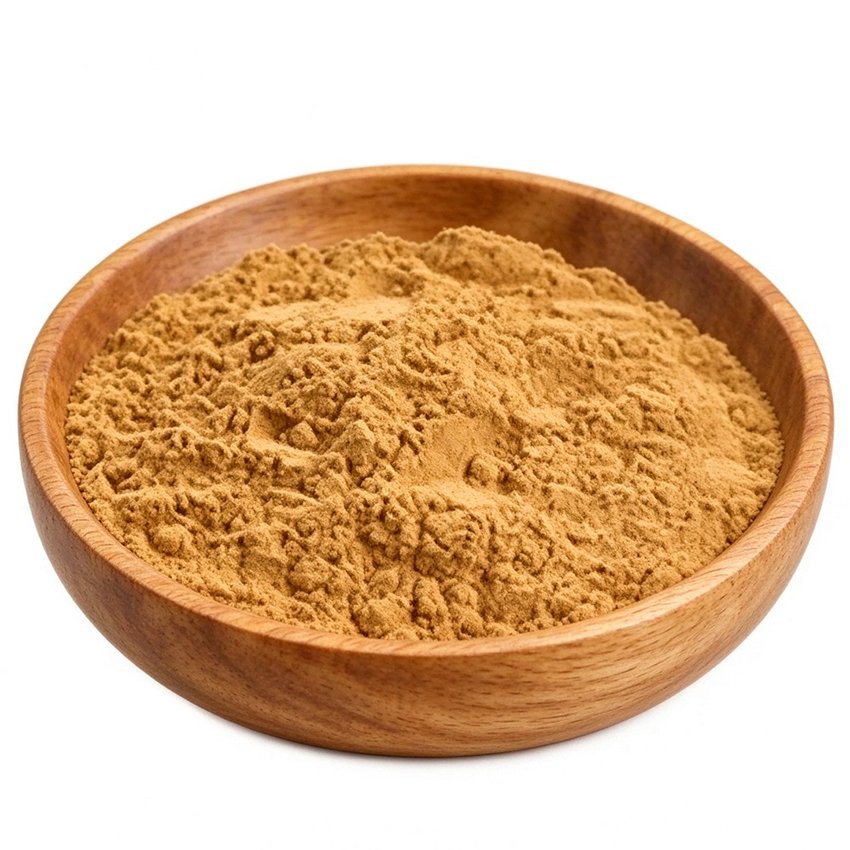
Silymarin Granulation Powder Granulated Silymarin for Tablets, Capsules and Nutritional Formulations
Silymarin Granulation Supplier Granulated Silymarin
Silymarin Granulation Powder Granulated Silymarin for Tablets, Capsules and Nutritional Formulations
Silymarin Granulation is a specialized granulation solution for Silymarin, a botanical active ingredient derived from Milk Thistle (Silybum marianum) and widely used in dietary supplements, functional foods, nutritional formulations and botanical products. Conventional Silymarin powder can present challenges during manufacturing, particularly when fine powders have limited flowability, tend to segregate or generate dust during material feeding, tablet compression and capsule filling.
Silymarin Granules are developed using specialized Granulation Technology, which processes Silymarin powder together with selected formulation components into granular materials with controlled particle size and physical characteristics. Compared with conventional Silymarin powder, the granulated format can provide improved powder flowability, reduced particle segregation and better material handling, supporting more consistent performance during downstream manufacturing processes.
Depending on the formulation requirements, Silymarin can be processed through Wet Granulation or Dry Granulation. Wet Granulation uses a controlled binder addition and drying process to form granules, while Dry Granulation uses mechanical compaction followed by milling and particle sizing. The appropriate granulation method depends on the ingredient properties, formulation requirements and desired granule characteristics.
Granulation Technology is a versatile powder-processing technology widely used in pharmaceuticals, chemical products, food, dietary supplements, sports nutrition, agriculture and animal nutrition. Its primary purpose is to improve the physical properties of powder materials to better meet requirements for downstream processing, storage, transportation and final product manufacturing.
For Silymarin applications, the granulated format can be considered for tablets, hard capsules, powder sachets and other solid nutritional formulations. Particle size, granule characteristics, formulation composition and processing parameters can be customized according to customer specifications, equipment requirements and production needs, providing a flexible ingredient solution for dietary supplement manufacturers, nutraceutical brands, botanical ingredient distributors and OEM/ODM manufacturers.
Description
1.What Is Silymarin Granulation?
Silymarin Granulation is a granulated form of Silymarin produced through controlled Granulation Technology.
The process converts conventional powder materials into granules with defined physical characteristics. This can help improve material flow, reduce powder segregation and facilitate downstream processes such as tablet compression, capsule filling and sachet filling.
The technology can be applied not only to Silymarin, but also to many other active ingredients and powder materials.
2.What Is Granulation Technology?
Granulation Technology is a processing technology that converts materials in different physical states, including powders, melts and solutions, into granular products with defined shapes and particle-size characteristics through specific processing procedures.
The core purpose of granulation is to improve the physical properties of materials so they can better meet the requirements of subsequent processing or final use.
Granulation Technology is widely applied in:
- Pharmaceuticals
- Dietary Supplements
- Food & Functional Foods
- Sports Nutrition
- Chemical Industry
- Agriculture
- Animal Nutrition & Feed
- Nutritional Products
- Tablet Manufacturing
- Capsule Manufacturing
- Other Powder Processing Applications
This makes Granulation Technology a versatile processing platform for companies looking to convert conventional powders into more manageable and process-friendly granular materials.
3.Silymarin Granulation Process
3.1Wet Granulation
A typical Wet Granulation process includes:
Raw Material Pretreatment → Dry Mixing → Binder Addition & Wet Mixing → Granulation → Drying → Sizing → Finished Granules
Silymarin is first mixed with selected formulation components. A suitable binder system can then be introduced before the material is granulated, dried and sized according to the required particle characteristics.
Wet Granulation can be considered when improved binding, flowability or compression characteristics are required.
3.2Dry Granulation
Dry Granulation uses mechanical compaction without a conventional wetting and drying process.
Typical process:
Powder Material → Screw Feeding → Roller Compaction → Compact Sheet Formation → Milling & Sizing → Qualified Granules
Key process parameters can include:
- Screw feeding speed
- Roller speed
- Compaction pressure
- Granulation or milling speed
- Particle-size control
Dry Granulation can be considered when a low-moisture processing route is preferred.
4.Core Advantages of Silymarin Granulation
4.1Improved Flowability
Granulated Silymarin can provide improved flow characteristics compared with fine powder, supporting more stable feeding and filling during manufacturing.
4.2Reduced Powder Segregation
Granulation can help reduce segregation between Silymarin and other formulation components, supporting more consistent material distribution.
4.3Better Tablet Compression
The granular structure can provide improved material feeding characteristics for tablet presses and support more consistent tablet production when the formulation is properly designed.
4.4Improved Capsule Filling
Granulated Silymarin can provide more controlled filling characteristics and reduce problems associated with fine powder segregation.
4.5Reduced Dust Generation
Compared with fine powder, granular material can help reduce dust during handling, conveying and production.
4.6Improved Direct Oral Characteristics
For products intended for direct consumption, granulation can improve physical handling and mouthfeel. Sweeteners, flavors or other formulation components can be incorporated during the granulation process where appropriate.
5.Silymarin Granulation vs. Conventional Powder
| Property | Conventional Silymarin Powder | Silymarin Granulation |
| Flowability | May be limited | Improved |
| Powder Segregation | More likely | Reduced |
| Tablet Compression | May require additional formulation adjustment | More suitable |
| Capsule Filling | Can be affected by powder flow | Improved handling |
| Dust Generation | Relatively higher | Reduced |
| Dosage Consistency | Can be affected by segregation | More consistent physical distribution |
| Direct Oral Use | Powder texture may be less convenient | Granulated format can improve handling |
| Storage & Transportation | More dependent on powder handling conditions | Improved physical handling characteristics |
6.Core Advantages of Granulation Technology
6.1 Tablet Compression
Granules generally exhibit better flowability than conventional powders, helping improve material feeding and supporting more consistent tablet production.
6.2 Capsule Filling
Granulated materials can support more controlled filling and reduce segregation between different formulation components.
6.3 Direct Oral Ingestion
Granulation can improve the physical characteristics and mouthfeel of products intended for direct consumption. Sweeteners or flavoring components can be incorporated during granulation where appropriate.
6.4 Storage & Transportation
Granulated materials can provide improved handling characteristics and may help reduce powder dusting, segregation and caking, depending on the formulation and packaging conditions.
7.Granulation Technology Across Different Industries
Our Granulation Technology is not limited to botanical or nutritional ingredients. It can be used for different material systems according to their physical characteristics and final applications.
7.1Pharmaceutical Industry
Granulation is widely used to improve the processing characteristics of pharmaceutical powders for tablet compression and capsule filling.
7.2Food Industry
Granulation can improve the handling, flowability and dosage characteristics of food ingredients and functional food materials.
7.3Dietary Supplements
Vitamins, minerals, botanical extracts, amino acids and other active ingredients can be granulated for tablets, capsules, sachets and direct-consumption products.
7.4Sports Nutrition
Granulation can be applied to amino acids, nutritional compounds and other sports nutrition ingredients requiring improved powder handling.
7.5Chemical Industry
Powdered chemical materials can be processed into granules with controlled particle size and improved handling characteristics.
7.6Agriculture
Granulation can be used for agricultural ingredients and formulations where controlled particle size and improved physical properties are required.
7.7Animal Nutrition & Feed
Granulation can also be considered for nutritional ingredients and feed-related materials requiring improved handling, mixing and processing characteristics.
Through this technology platform, we can provide customized Granulation Technology solutions for Silymarin and other active ingredients according to different industries and final applications.
8.Active Ingredient Processing & Delivery Technology
Our active ingredient technology platform includes several distinct processing routes:
8.1Granulation Technology
Converts powders or other materials into granules with controlled physical characteristics, improved flowability and better downstream processing performance. Suitable for tablets, capsules, sachets, nutritional powders and other solid formulations.
8.2Pellet Technology
Produces small spherical or near-spherical pellets with a controlled multi-unit structure. Pellet Technology is a separate technology from conventional granulation and is suitable for applications requiring a defined pellet format.
8.3Liposomal Technology
Uses phospholipid-based carrier systems to develop liposomal formulations for active ingredients requiring a specialized delivery format, particularly for liquid and dispersion-based applications.
These technologies are selected according to the characteristics of the active ingredient, target dosage form and customer’s formulation requirements.
9.Silymarin Content & Customization
Silymarin Granulation can be customized according to the customer’s formulation and production requirements.
Customization may include:
- Silymarin content
- Granulation formulation
- Wet or Dry Granulation
- Particle size
- Particle-size distribution
- Binder and excipient system
- Bulk density
- Flowability requirements
- Tablet compression requirements
- Capsule filling requirements
- Sachet filling requirements
- Packaging format
The final specification can be discussed according to the customer’s target dosage form, production equipment and formulation requirements.
10.Applications
10.1Dietary Supplements
Suitable for Silymarin-based nutritional supplements in tablet, capsule, sachet and powder formats.
10.2Botanical & Herbal Formulations
Suitable for botanical formulations using Milk Thistle-derived Silymarin as an active ingredient.
10.3Tablets
Granulated Silymarin can provide improved feeding and flow characteristics for tablet compression.
10.4Hard Capsules
The granular format can support more consistent filling and reduce segregation during capsule production.
10.5Powder Sachets
Suitable for single-dose nutritional powders and ready-to-mix formulations.
10.6Direct Oral Products
Granulated Silymarin can be incorporated into direct-consumption products, with formulation adjustments available for mouthfeel and flavor requirements.
10.7Functional Foods
Can be considered for functional food and nutritional formulations depending on the final product design.
Supply & Customization
We provide Silymarin Granulation for customers developing dietary supplements, botanical products, functional foods and solid dosage formulations.
Both Wet Granulation and Dry Granulation can be considered according to the characteristics of Silymarin and the customer’s manufacturing process.
We can support customized requirements including Silymarin content, granulation formulation, particle size, physical characteristics, dosage form and packaging.
Our production system operates under FSSC 22000, ISO 22000 and HACCP management systems.
Samples and technical documents can be provided for formulation evaluation and customer testing.
FAQ
1.What is Silymarin Granulation?
Silymarin Granulation is Silymarin processed through Granulation Technology to convert conventional powder into granules with improved physical and processing characteristics.
2.Why use Granulated Silymarin instead of conventional powder?
Granulation can improve flowability, reduce powder segregation and dust, and make Silymarin more suitable for tablet compression, capsule filling and other downstream processes.
3.Can Silymarin Granulation be used for tablets?
Yes. Granulated Silymarin is suitable for tablet compression and can be adjusted according to the customer’s production requirements.
4.Can it be used for capsules?
Yes. Granulated Silymarin can be used for hard capsule filling and can provide improved handling compared with conventional fine powder.
5.Do you provide Wet Granulation and Dry Granulation?
Yes. The appropriate granulation route can be selected according to the raw material characteristics and final application.
6.Can the particle size be customized?
Yes. Particle size and particle-size distribution can be adjusted according to the customer’s formulation and equipment requirements.
7.Can other ingredients be added during granulation?
Yes. Excipients, binders, sweeteners and other formulation components can be considered depending on the target product and processing route.
8.Is Granulation Technology only used for nutritional ingredients?
No. Granulation Technology is widely used in pharmaceuticals, food, dietary supplements, sports nutrition, chemical products, agriculture, animal nutrition and other industries.
9.Can you provide samples?
Yes. Samples and technical documents can be provided for formulation evaluation and customer testing.


Reviews
There are no reviews yet.