
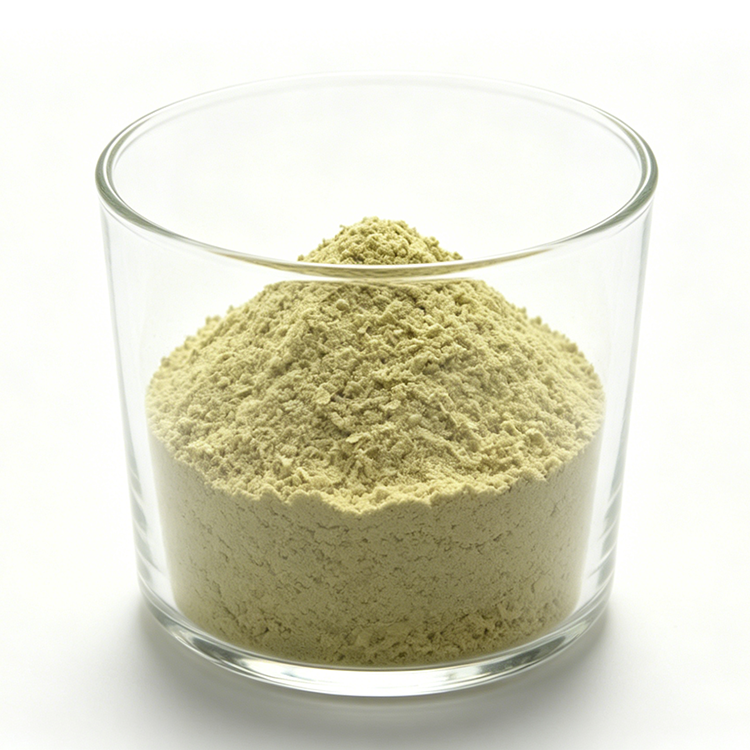
Omega-3 EPA Microalgae Powder (Nannochloropsis Algae)
Omega-3 EPA Microalgae Powder (Nannochloropsis Algae)
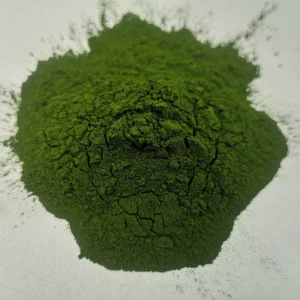
EPA Microalgae Powder Omega-3 Nannochloropsis
Omega-3 EPA Microalgae Powder is a whole-cell microalgae ingredient derived from the marine microalga Nannochloropsis, a natural primary producer of eicosapentaenoic acid (EPA). Produced through controlled photosynthetic autotrophic cultivation, followed by harvesting and spray drying, this powder preserves the complete nutritional profile of the algae, including EPA, high-quality plant protein, polysaccharides, and dietary fiber.
Unlike conventional marine omega-3 sources such as fish oil or krill oil, microalgae-derived EPA is obtained directly from the original biological source in the marine ecosystem. This eliminates the risk of pollutant accumulation in the food chain and provides a sustainable, environmentally friendly, and traceable omega-3 source.
Whole microalgae powder offers a natural food-grade format, retaining bioactive lipids such as polar lipids and other beneficial cellular components. These compounds may support lipid metabolism, cardiovascular health, and anti-inflammatory pathways.
This microalgae powder typically contains approximately 50% plant-based protein, along with polysaccharides, dietary fiber, and naturally occurring EPA, delivering a full-spectrum nutritional composition suitable for functional and health-oriented formulations.
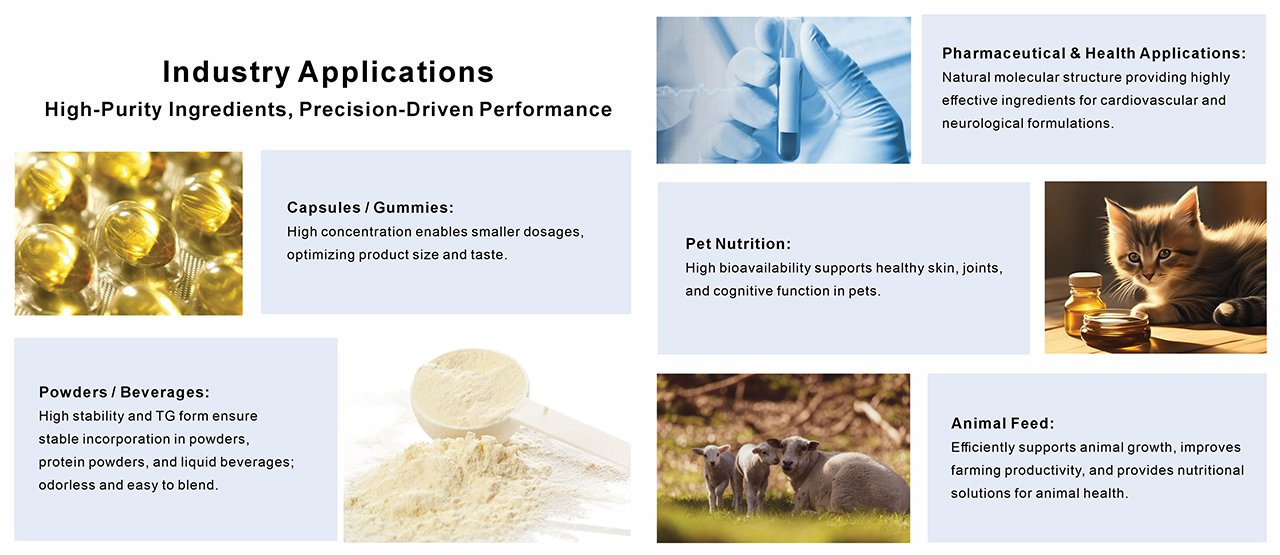
Omega-3 EPA Microalgae Powder is widely used in solid beverages, nutritional tablets, baked foods, noodles, health snacks, functional nutrition products, and dietary supplements. Its neutral taste profile and plant-based origin make it ideal for sustainable and clean-label product development.
This ingredient is ideal for nutraceutical manufacturers, functional food producers, sports nutrition brands, and private label health product companies. OEM and customized formulations are available to meet global market requirements.
Description
1. Product Overview
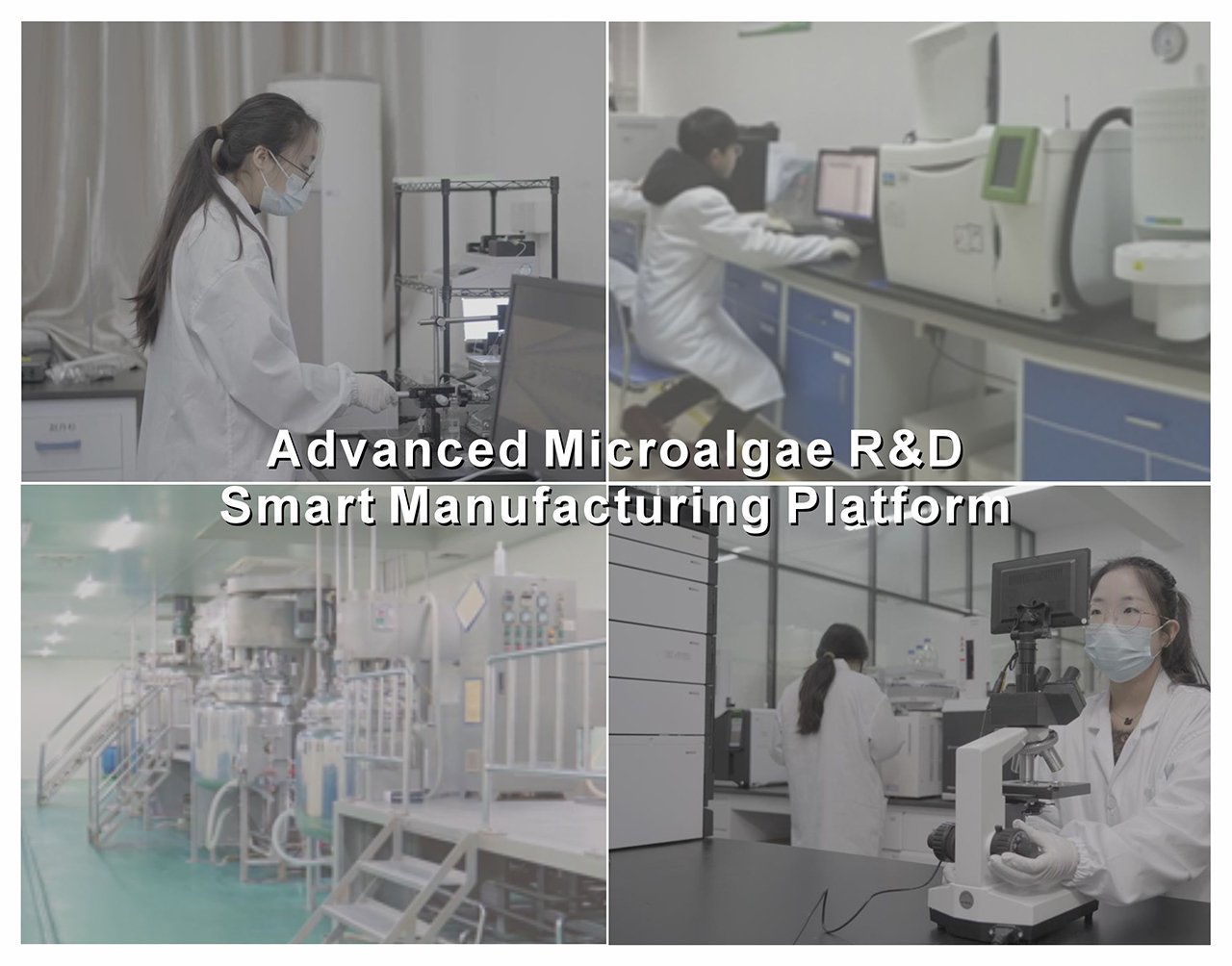
Omega-3 EPA Microalgae Powder is a whole-algae nutritional ingredient produced from the marine microalga Nannochloropsis. Through controlled photosynthetic cultivation and advanced processing technologies, microalgae biomass rich in bioactive nutrients is harvested and spray-dried to produce a stable, high-quality powder.
Microalgae are the primary biological producers of EPA in marine ecosystems, serving as the foundation of the omega-3 food chain. Fish and other marine organisms obtain EPA by consuming microalgae, making algae the most direct and sustainable source of omega-3 fatty acids.
Unlike extracted oils, whole microalgae powder retains the full nutritional profile of the algae cell, including:
• EPA (Eicosapentaenoic Acid)
• High-quality plant protein (about 50%)
• Polysaccharides
• Dietary fiber
• Bioactive polar lipids
• Natural micronutrients
Because of this complete nutritional composition, microalgae powder is increasingly recognized as a functional superfood ingredient for the global health and nutrition market.
2.Microalgae Source – Nannochloropsis
Nannochloropsis is a unicellular green microalga widely studied for its high EPA content and valuable nutritional composition. It is cultivated using advanced photosynthetic autotrophic cultivation systems that allow large-scale, sustainable production.
Advantages of Nannochloropsis cultivation include:
• Efficient carbon dioxide fixation through photosynthesis
• Sustainable biomass production
• Controlled cultivation conditions
• Consistent product quality
• Reduced contamination risks
Through optimized cultivation processes, the algae accumulate significant amounts of EPA and other beneficial biomolecules.
3.Eco-Friendly and Sustainable Production
One of the key advantages of microalgae-derived EPA is its sustainability.
Microalgae cultivation relies on photosynthesis and carbon dioxide utilization. During the growth process, microalgae absorb CO₂ and convert it into valuable biomolecules such as lipids, proteins, and carbohydrates.
Environmental benefits include:
• No overfishing of marine resources
• Reduced ecological pressure on oceans
• Renewable biomass production
• Marine ecosystem protection
• Contribution to carbon utilization
Compared with traditional omega-3 sources such as fish oil, krill oil, or microbial fermentation oils, microalgae-derived EPA represents a more environmentally responsible solution for the global omega-3 supply.
4.Nutritional Composition
Omega-3 EPA Microalgae Powder provides a broad spectrum of nutrients.
4.1EPA (Eicosapentaenoic Acid)
EPA is an omega-3 polyunsaturated fatty acid associated with numerous health benefits. It plays a role in lipid metabolism regulation, cardiovascular health support, and anti-inflammatory pathways.
Scientific studies suggest that higher circulating EPA levels may be associated with reduced risk of cardiovascular events.
4.2High-Quality Plant Protein
Microalgae powder typically contains approximately 50% protein, making it a valuable plant-based protein source.
Microalgae proteins contain essential amino acids and may contribute to:
• Nutritional fortification
• Plant-based protein products
• Functional food development
4.3Polysaccharides and Dietary Fiber
Microalgae biomass also contains polysaccharides and dietary fiber that support digestive health and metabolic balance.
These components contribute to the product’s value as a whole-food nutrition ingredient.
5.Bioactive Lipids and Functional Compounds
Microalgae contain various bioactive lipid molecules that may support metabolic health.
5.1Polar Lipids
Polar lipids can function as lipid transport molecules that help deliver fatty acids to different tissues, including the liver, brain, and eyes.
These lipids may participate in metabolic processes related to lipid balance.
5.2Plasmalogens
Plasmalogens are special phospholipid molecules associated with cellular membrane function and cognitive health.
Microalgae naturally contain plasmalogen precursors that may support neurological health.
5.3Specialized Pro-Resolving Mediators (SPMs)
EPA serves as a precursor for specialized pro-resolving mediators that help regulate inflammatory responses in the body.
These compounds may play a role in restoring physiological balance following inflammatory reactions.
6. Potential Health Benefits
Microalgae-derived EPA has been widely studied for its physiological functions.
6.1Cardiovascular Health Support
EPA helps regulate triglyceride levels and may contribute to improved lipid metabolism.
6.2Anti-Inflammatory Effects
EPA participates in metabolic pathways that produce anti-inflammatory lipid mediators.
6.3Cognitive and Brain Health
Certain lipid components in microalgae may support brain health and cognitive function.
6.4Metabolic Balance
EPA supplementation has been associated with improved metabolic regulation.
7. Applications Across Industries
Omega-3 EPA Microalgae Powder is widely used across multiple industries.
7.1Functional Foods
• Solid beverages
• Nutritional drink powders
• Functional snacks
• Health foods
7.2Nutritional Supplements
• Nutritional tablets
• Capsules
• Powder blends
7.3Food Processing
• Noodles and pasta
• Baked goods
• Meal replacement products
7.4Plant-Based Nutrition
• Vegan omega-3 products
• Plant protein formulations
• Sustainable nutrition products
8. Manufacturing Process
Production involves several stages:
8.1Photosynthetic autotrophic cultivation
8.2Biomass harvesting
8.3Concentration and purification
8.4Spray drying into powder form
This process preserves the nutritional composition while ensuring product stability and long shelf life.
9. OEM and Customization Services
OEM and private label services are available to support global brands and manufacturers.
Customization options include:
• Powder specifications
• Nutritional composition targets
• Particle size adjustment
• Packaging formats
• Product formulation support
These services allow companies to develop differentiated omega-3 and functional nutrition products for international markets.
FAQ – EPA Microalgae Whole Powder (Nannochloropsis)
1. What is EPA microalgae powder?
EPA microalgae powder is a whole-cell algae powder derived from Nannochloropsis, naturally containing EPA, plant protein, polysaccharides, and dietary fiber, offering a multi-nutrient functional profile.
2. How is microalgae EPA produced?
It is produced through photosynthetic cultivation of microalgae, followed by harvesting, concentration, and spray drying, ensuring consistent quality and nutrient retention.
3. Is microalgae EPA sustainable?
Yes. Microalgae cultivation utilizes CO₂ fixation and sunlight, eliminating the need for marine harvesting and making it a highly sustainable omega-3 source.
4. Which industries commonly use microalgae powder?
This ingredient is widely used in the functional food, nutraceutical, and plant-based nutrition industries.
5. Does microalgae powder contain protein?
Yes. The powder typically contains around 50% plant-based protein, making it suitable for protein-enriched formulations.
6. Is the product suitable for vegan formulations?
Yes. It is 100% plant-based, making it ideal for vegan and vegetarian applications.
7. How does microalgae EPA differ from fish oil?
Microalgae are the primary natural producers of EPA, offering a more sustainable, traceable, and contaminant-controlled alternative to fish-derived omega-3.
8. What product applications are suitable for this ingredient?
It can be used in tablets, powders, beverages, noodles, baked goods, and functional food formulations, providing high formulation versatility.
9. Is the product safe from marine contaminants?
Yes. Produced under controlled cultivation conditions, it offers significantly reduced risks of heavy metals and environmental contaminants.
10. Are OEM or customization services available?
Yes. We provide OEM and customized solutions, including specification adjustment, formulation development, and private label services.


Reviews
There are no reviews yet.