

Animal Feed Omega-3 EPA Microalgae Powder (Nannochloropsis)
Animal Feed Omega-3 EPA Microalgae Powder (Nannochloropsis)
EPA Microalgae Powder for Animal Feed Omega-3
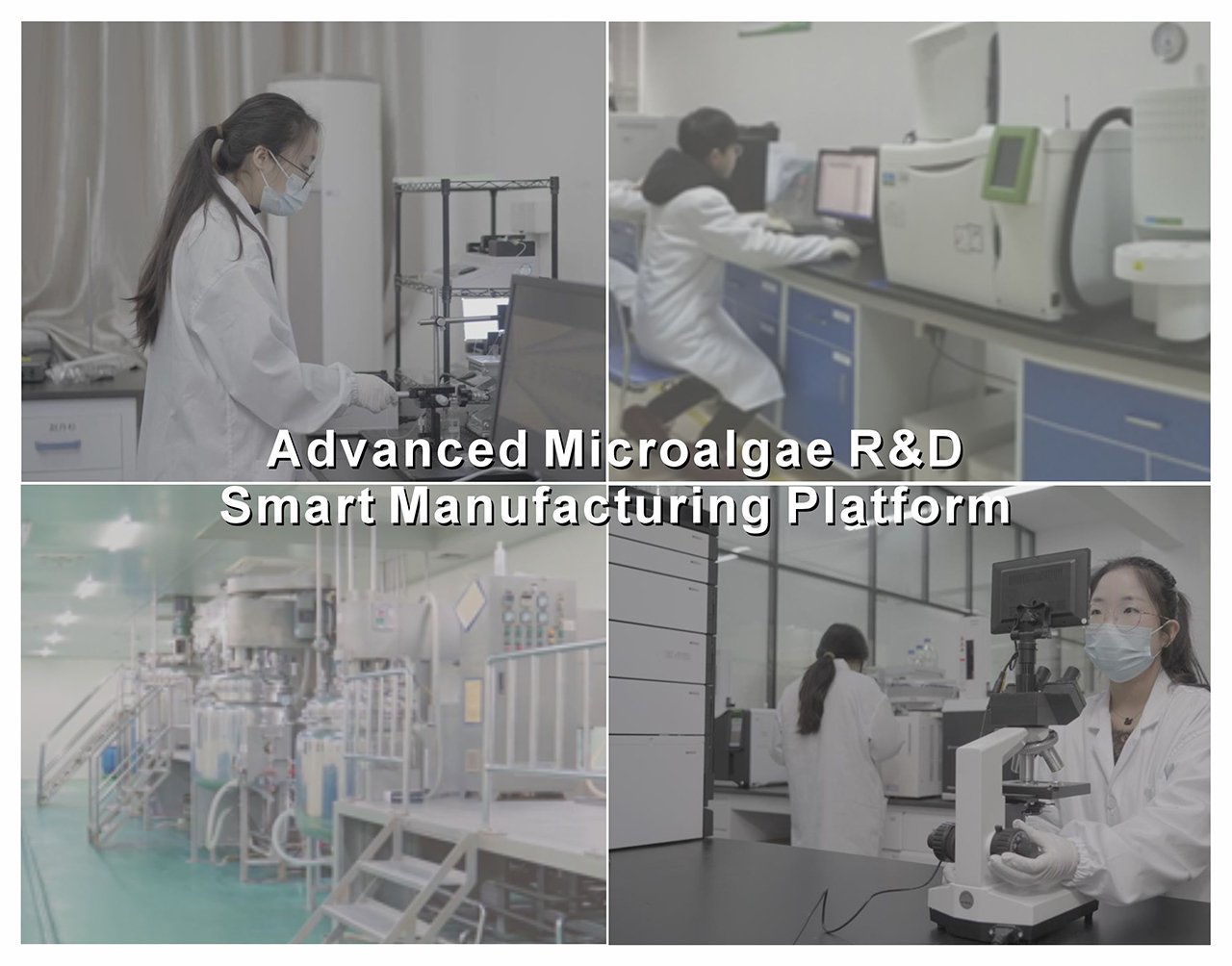
Animal Feed Omega-3 EPA Microalgae Powder is a natural whole-cell microalgae biomass ingredient derived from the marine microalga Nannochloropsis, one of the primary biological producers of eicosapentaenoic acid (EPA) in marine ecosystems. Produced through controlled photosynthetic autotrophic cultivation, followed by harvesting and spray drying, this powder preserves the natural nutritional composition of intact algae cells.
Unlike conventional omega-3 sources such as fish oil or krill oil, microalgae represent the original source of EPA in the marine food chain. Fish accumulate EPA by consuming microalgae, making microalgae the most direct, sustainable, and traceable omega-3 source. Utilizing microalgae biomass eliminates reliance on fishery resources and helps protect marine ecosystems from overexploitation.
Microalgae EPA powder naturally contains EPA, polar lipids, polysaccharides, proteins, and dietary fiber, forming a complete biological nutrient matrix. The metabolic pathways of Nannochloropsis are well studied and highly consistent, ensuring predictable quality and stable composition.
This product contains EPA without DHA, enabling targeted EPA supplementation in feed formulations. EPA is widely studied for its role in lipid metabolism, cardiovascular function, and inflammatory regulation in animals.
This ingredient is widely used as a primary raw material for animal feed manufacturers, aquaculture nutrition companies, pet food producers, and functional feed developers. It provides a sustainable, marine-friendly, and traceable omega-3 solution for modern animal nutrition systems.
Description
1. Product Overview
Animal Feed Omega-3 EPA Microalgae Powder is a natural microalgae biomass ingredient produced from the marine microalga Nannochloropsis. This unicellular green microalga is recognized as a natural primary producer of eicosapentaenoic acid (EPA), an important omega-3 fatty acid in marine ecosystems.
Through photosynthetic autotrophic cultivation, microalgae utilize sunlight and carbon dioxide to synthesize lipids, proteins, and carbohydrates. The cultivated biomass is harvested and processed through spray drying technology to produce a stable powder suitable for feed and pet nutrition applications.
Unlike extracted oils, whole microalgae powder retains the complete cellular composition of the algae. This includes naturally occurring EPA, polar lipids, polysaccharides, proteins, and structural fibers.
The whole-cell format provides a natural nutritional matrix, making it suitable for feed formulations that require both omega-3 fatty acids and additional bioactive nutrients.
Key components include:
• Natural EPA (Eicosapentaenoic Acid)
• Polar lipid compounds
• Proteins and peptides
• Polysaccharides
• Microalgal fiber components
These components contribute to the growing importance of microalgae biomass as a sustainable feed ingredient.
2. Sustainable Marine-Friendly Omega-3 Source
Microalgae are the primary producers of omega-3 fatty acids in marine ecosystems. Fish, krill, and other marine organisms obtain EPA by consuming microalgae.
By cultivating microalgae directly, it is possible to produce EPA without harvesting marine animals.
Key sustainability advantages include:
• Reduced pressure on wild fish stocks
• Marine ecosystem protection
• Renewable biomass production
• Carbon dioxide utilization through photosynthesis
• Traceable production systems
During growth, microalgae capture carbon dioxide from the environment and convert it into biomass. This natural carbon fixation process contributes to sustainable bioresource production.
Compared with fish oil and krill oil, microalgae provide a more environmentally responsible omega-3 supply chain.
3. Microalgae Species: Nannochloropsis
Nannochloropsis is a unicellular marine microalga widely used in aquaculture and nutrition research.
Important characteristics include:
• Naturally rich in EPA
• High biomass productivity
• Stable large-scale cultivation
• Well-studied metabolic pathways
Because the metabolic processes of Nannochloropsis are well understood, the composition of its metabolites is predictable and consistent.
This provides feed manufacturers with a reliable raw material source for omega-3 enrichment.
4. EPA – Functional Omega-3 Fatty Acid
EPA (Eicosapentaenoic Acid) is an omega-3 polyunsaturated fatty acid widely recognized for its biological functions.
Research has shown that EPA plays important roles in physiological processes including:
• Lipid metabolism regulation
• Anti-inflammatory responses
• Cardiovascular health support
• Metabolic balance
EPA also serves as a precursor for specialized pro-resolving mediators (SPMs), which are lipid molecules involved in the resolution of inflammatory processes.
Because this microalgae powder contains EPA without DHA, it allows targeted EPA enrichment in animal nutrition formulations.
5. Bioactive Lipids and Functional Compounds
Microalgae contain multiple biologically active lipid compounds.
5.1Polar Lipids
Polar lipids act as structural components of cell membranes and may function as lipid transport molecules in metabolic processes.
These molecules may assist the transport of fatty acids to organs such as the liver, brain, and eyes.
5.2Plasmalogen-Type Lipids
Microalgae naturally contain lipid molecules related to plasmalogens, which are involved in membrane structure and cellular function.
These compounds are increasingly studied for their role in neurological and metabolic processes.
5.3Specialized Pro-Resolving Mediators
EPA-derived lipid mediators are associated with biological pathways involved in the regulation of inflammatory responses.
Such molecules help maintain physiological balance following inflammatory events.
6. Role in Lipid Metabolism
Research suggests that polar lipid molecules in microalgae may participate in metabolic processes related to lipid transport and metabolism.
Certain lipid transport proteins such as Mfsd2a may be involved in transporting polar lipid molecules into the liver, where they may influence lipid balance and metabolic regulation.
These mechanisms are of interest in research on triglyceride metabolism and lipoprotein balance.
7. Advantages Compared with Traditional Omega-3 Sources
Microalgae-derived EPA provides several advantages compared with conventional marine omega-3 ingredients.
Feature Microalgae EPA Fish Oil
Source Primary producer Secondary marine source
Sustainability Renewable Dependent on fisheries
Marine impact Low Overfishing risk
Contaminant risk Controlled cultivation Marine contamination possible
Microalgae cultivation therefore represents a sustainable and traceable omega-3 production system.
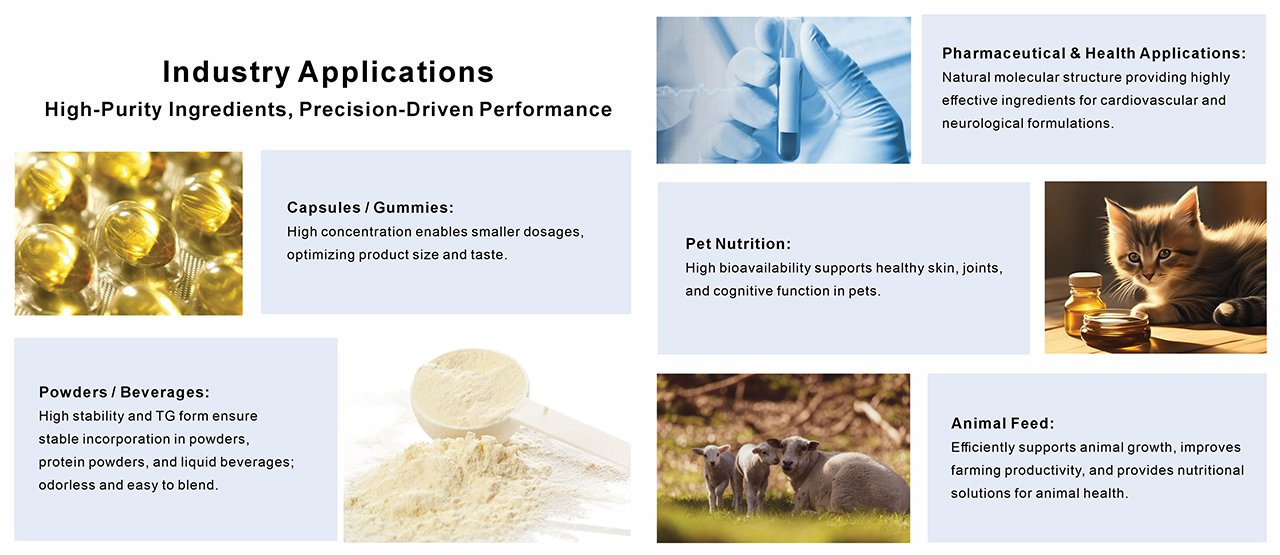
8. Applications in Animal Nutrition
Omega-3 EPA Microalgae Powder is widely used in feed and pet nutrition industries.
8.1Aquaculture Feed
• Fish feed enrichment
• Shrimp and shellfish nutrition
• Aquaculture omega-3 supplementation
8.2Livestock Feed
• Poultry feed
• Swine nutrition
• Ruminant feed formulations
8.3Pet Food Industry
• Premium pet food
• Functional pet nutrition products
• Omega-3 enriched pet supplements
The ingredient provides both omega-3 fatty acids and natural microalgal nutrients.
9. Production Process
The manufacturing process generally includes:
9.1Photosynthetic autotrophic cultivation
9.2Microalgae biomass harvesting
9.3Concentration and purification
9.4Spray drying into powder form
This process produces a stable powder that can be easily incorporated into feed formulations.
10. OEM and Customization Services
For global B2B clients, customization options may include:
• Biomass concentration adjustment
• Particle size optimization
• Packaging formats
• Application-specific formulations
• Private label product development
These options allow feed manufacturers to integrate microalgae EPA into a wide range of nutritional products.
FAQ – EPA Microalgae Powder for Animal Feed (Nannochloropsis)
1. What is EPA microalgae powder used for in animal feed?
EPA microalgae powder is used as a natural, sustainable omega-3 source to enrich feed formulations with EPA, supporting animal health, growth performance, and product quality.
2. Which microalgae species is used?
The powder is derived from Nannochloropsis, a marine microalga naturally rich in EPA, widely used in aquaculture and feed nutrition.
3. Does the ingredient contain DHA?
No. This product is EPA-focused and does not contain DHA, making it suitable for targeted omega-3 enrichment strategies.
4. How is the microalgae biomass produced?
It is produced through controlled photosynthetic cultivation, followed by harvesting, concentration, and spray drying, ensuring consistent quality and nutrient retention.
5. Is microalgae EPA sustainable?
Yes. Microalgae cultivation does not rely on marine fisheries, helping reduce pressure on ocean resources and supporting sustainable feed production systems.
6. Which industries commonly use this ingredient?
It is widely used in animal feed manufacturing, aquaculture nutrition, and pet food production, particularly in premium and functional feed segments.
7. Can this ingredient replace fish oil in feed formulations?
Yes. Microalgae-derived EPA can serve as a sustainable alternative to fish oil, either as a partial or full replacement, depending on formulation goals.
8. Is the ingredient suitable for premium pet food products?
Yes. It is commonly used in high-quality pet nutrition products to support skin health, coat condition, and overall wellness.
9. Can the product be customized for feed formulations?
Yes. We offer customized specifications, including EPA content, particle size, and packaging, tailored to different feed applications and processing requirements.
10. Does the ingredient support sustainable feed production?
Yes. Microalgae biomass provides a renewable, traceable, and environmentally friendly nutrient source, aligning with sustainable aquaculture and pet food trends.


Reviews
There are no reviews yet.