

Omega-3 Algal EPA & Flaxseed Oil Softgel Blend for Heart Health
Omega-3 Algal EPA & Flaxseed Oil Softgel Blend for Heart Health
Omega-3 EPA Algal Oil & Flaxseed Softgel Solution
Algal EPA & Flaxseed Oil Softgel Blend is a functional omega-3 lipid formulation combining EPA-rich oil derived from the marine microalgae Nannochloropsis with plant-based flaxseed oil naturally rich in alpha-linolenic acid (ALA). This synergistic blend provides complementary omega-3 fatty acids designed to support cardiovascular health, lipid metabolism balance, and metabolic wellness.
Nannochloropsis microalgae are recognized as one of the primary natural producers of eicosapentaenoic acid (EPA), an essential omega-3 polyunsaturated fatty acid widely studied for its role in cardiovascular health. Through controlled photosynthetic cultivation, microalgae convert atmospheric CO₂ into valuable bioactive components such as EPA, polar lipids, polysaccharides, proteins, and peptides.
Unlike conventional marine oils derived from fish or krill, microalgae-based EPA originates directly from the base of the marine food chain, eliminating concerns related to food-chain accumulation of contaminants. The resulting algal oil naturally contains EPA without DHA, making it particularly suitable for targeted cardiovascular nutrition formulations.
When combined with flaxseed oil, which provides plant-derived omega-3 ALA, the formulation delivers a balanced lipid profile for modern functional nutrition products.
This EPA algal oil and flaxseed oil blend is commonly developed as softgel capsules for cardiovascular health supplements and can also be supplied as a bulk oil blend for further formulation. OEM and private-label manufacturing solutions are available for global nutraceutical brands and health product manufacturers.
Description
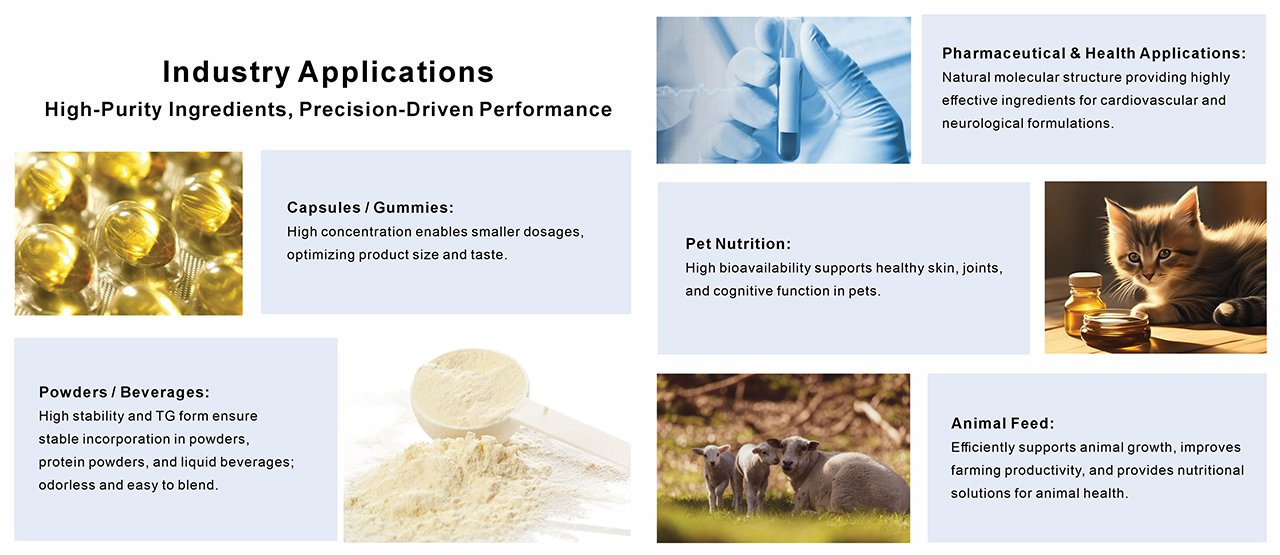
1.Algal EPA & Flaxseed Oil Softgel Blend1.
Algal EPA & Flaxseed Oil Softgel Blend is an advanced omega-3 lipid formulation combining marine microalgae-derived EPA with plant-based flaxseed oil rich in alpha-linolenic acid (ALA). This dual-source omega-3 composition integrates the benefits of marine and botanical fatty acids to support cardiovascular health and lipid metabolism.
As global demand for sustainable omega-3 ingredients continues to increase, microalgae-derived EPA oils have emerged as an important alternative to traditional fish oil and krill oil sources. When combined with flaxseed oil, this formulation provides a balanced omega-3 profile designed for modern functional nutrition products.
The formulation can be delivered as softgel capsules for dietary supplements, offering convenient dosage, improved stability, and consumer-friendly administration.
2.Sustainable Microalgae Source of EPA
Microalgae are the original producers of marine omega-3 fatty acids in the ocean ecosystem. Fish accumulate EPA by consuming microalgae through the marine food chain.
By cultivating microalgae directly, EPA can be produced without relying on marine fisheries.
Nannochloropsis microalgae are known for their natural ability to synthesize high levels of EPA. Through photosynthetic cultivation systems, these microalgae utilize sunlight and carbon dioxide to produce valuable bioactive molecules.
Key environmental advantages include:
• renewable microalgae cultivation
• carbon dioxide utilization through photosynthesis
• reduced pressure on marine fisheries
• traceable and controlled production systems
All EPA molecules produced in microalgae originate from atmospheric CO₂ fixation, making this one of the most environmentally friendly omega-3 sources available.
3.Primary Producer Advantage
Microalgae act as primary producers of EPA in marine ecosystems.
Unlike fish oil or krill oil, which accumulate omega-3 fatty acids through the food chain, microalgae produce EPA directly within their cellular metabolism.
Advantages of this primary producer status include:
• reduced risk of environmental contaminant accumulation
• controlled production conditions
• defined metabolic pathways
• consistent product quality
These characteristics make microalgae oils increasingly attractive for the nutraceutical and pharmaceutical industries.
4.DHA-Free EPA for Targeted Cardiovascular Nutrition
Nannochloropsis naturally produces EPA but does not synthesize DHA.
This characteristic allows the development of omega-3 formulations that contain EPA only, which may be preferred in certain cardiovascular health applications.
Scientific research has demonstrated that EPA may contribute to:
• maintenance of healthy triglyceride levels
• support of cardiovascular health
• regulation of inflammatory responses
• lipid metabolism balance
Because this formulation contains EPA without DHA, it provides flexibility for targeted omega-3 supplement development.
5.Synergistic Omega-3 Combination with Flaxseed Oil
Flaxseed oil is widely recognized as one of the richest plant sources of alpha-linolenic acid (ALA).
Combining EPA algal oil with flaxseed oil creates a complementary omega-3 fatty acid profile.
Benefits of this dual-source omega-3 formulation include:
• broader spectrum omega-3 nutrition
• complementary fatty acid metabolism pathways
• balanced lipid support for cardiovascular health
Such formulations are widely used in heart health supplements and functional nutrition products.
6.Polar Lipids and Bioactive Lipid Components
Microalgae oils contain more than triglycerides. They also naturally contain a variety of bioactive lipid molecules including:
• polar lipids
• glycolipids
• betaine lipids (DGTS and lyso-DGTS)
• phospholipids
These lipid molecules participate in biological processes such as lipid transport and metabolism.
Some polar lipids can function as delivery systems for fatty acids, facilitating the transport of lipids to tissues such as the brain and eyes.
7.Specialized Pro-Resolving Mediators (SPMs)
EPA is a precursor to specialized lipid signaling molecules known as Specialized Pro-Resolving Mediators (SPMs).
SPMs play an important role in resolving inflammatory processes and restoring physiological balance after immune responses.
These bioactive molecules have attracted significant interest in research fields including:
• cardiovascular health
• metabolic disease
• inflammation biology
• immune system regulation
8.Polar Lipids and Lipid Metabolism Pathways
Certain lysophospholipids present in microalgae oils may interact with lipid transport proteins such as Mfsd2a.
This transporter is involved in the uptake of lysophospholipids into tissues and may influence lipid metabolism.
In metabolic conditions associated with excess nutrient intake, increased expression of this transporter may help maintain lipid balance by:
• promoting formation of small lipid droplets in the liver
• reducing accumulation of large triglyceride droplets
• influencing lipid synthesis pathways
These mechanisms may contribute to maintaining healthy lipid metabolism.
9.Clinical Research Overview
Human nutrition research has explored the metabolic responses to microalgae-derived EPA oils.
In crossover study designs, healthy adult participants consumed algal oil providing EPA or other marine oils following standardized meals. Blood samples were collected at multiple time points to measure plasma fatty acid concentrations using analytical methods such as gas chromatography.
These investigations suggest that algal EPA oil can be efficiently absorbed and may influence lipid metabolism markers including triglycerides and cholesterol levels.
Further research continues to explore the role of EPA-rich algal oils in cardiovascular health and metabolic regulation.
10.Softgel Capsule Solution
This EPA algal oil and flaxseed oil formulation is commonly supplied as softgel capsules for dietary supplements.
Softgel delivery systems provide several advantages:
• convenient daily dosage
• improved oxidative stability of oils
• enhanced consumer compliance
• suitable for large-scale supplement production
Typical formulation example:
Each softgel capsule may contain a combination of:
• microalgae-derived EPA
• flaxseed oil providing ALA
Customized formulations and dosage specifications can be developed according to brand requirements.
11.Technical Specifications (Typical Values)
Product Name:Algal EPA & Flaxseed Oil Softgel Blend
Source:Nannochloropsis microalgae oil + flaxseed oil
Form:Oil blend or softgel capsule
Key Fatty Acids:EPA + alpha-linolenic acid (ALA)
EPA Source:Microalgae-derived EPA
DHA Content:Not detected
Appearance:Light yellow to amber oil
Applications:Dietary supplements, softgel capsules, functional foods
12.OEM & Custom Manufacturing
Customized production services include:
• private label softgel manufacturing
• custom oil blend formulation
• flexible EPA concentration
• bulk ingredient supply
• contract manufacturing for nutraceutical brands
These solutions support supplement brands, functional food companies, and health product manufacturers worldwide.
FAQ – Algal EPA Oil & Flaxseed Oil Blend
1. What is algal EPA oil?
Algal EPA oil is a plant-based omega-3 oil derived from marine microalgae that naturally biosynthesize eicosapentaenoic acid (EPA), offering a sustainable alternative to fish oil.
2. Why combine algal EPA oil with flaxseed oil?
This combination delivers a balanced omega-3 profile by integrating marine-derived EPA with plant-based alpha-linolenic acid (ALA), supporting comprehensive nutritional benefits.
3. Does this product contain DHA?
No. The selected microalgae strain used in this formulation is rich in EPA and does not produce docosahexaenoic acid (DHA).
4. Is microalgae-derived EPA sustainable?
Yes. Microalgae cultivation requires minimal land use and utilizes sunlight and carbon dioxide, making it an environmentally sustainable and scalable omega-3 source.
5. What dosage forms are available?
This ingredient is available as bulk oil for further processing or as finished dosage forms such as softgel capsules.
6. Is this product suitable for vegan formulations?
Yes. Both algal EPA oil and flaxseed oil are 100% plant-based, making them ideal for vegan and vegetarian supplement applications.
7. What are the main application areas?
This product is widely used in nutraceutical supplements, functional foods, and formulations targeting cardiovascular, anti-inflammatory, and general wellness support.
8. Can EPA content or oil ratios be customized?
Yes. We offer flexible customization of EPA concentration and blending ratios to meet specific formulation and regulatory requirements.
9. What packaging options do you offer?
We provide multiple packaging solutions, including bulk drums, IBC totes, and finished softgel packaging, depending on customer needs.
10. Do you offer OEM or private label services?
Yes. Full-service OEM and private label manufacturing are available, covering formulation development, encapsulation, packaging, and branding.



Carmen Lau –
Interesting formulation with both algal EPA and flaxseed oil. Many consumers are now looking for clean-label Omega-3 softgels that provide EPA, DHA, and plant-based ALA in one supplement for cardiovascular support.