
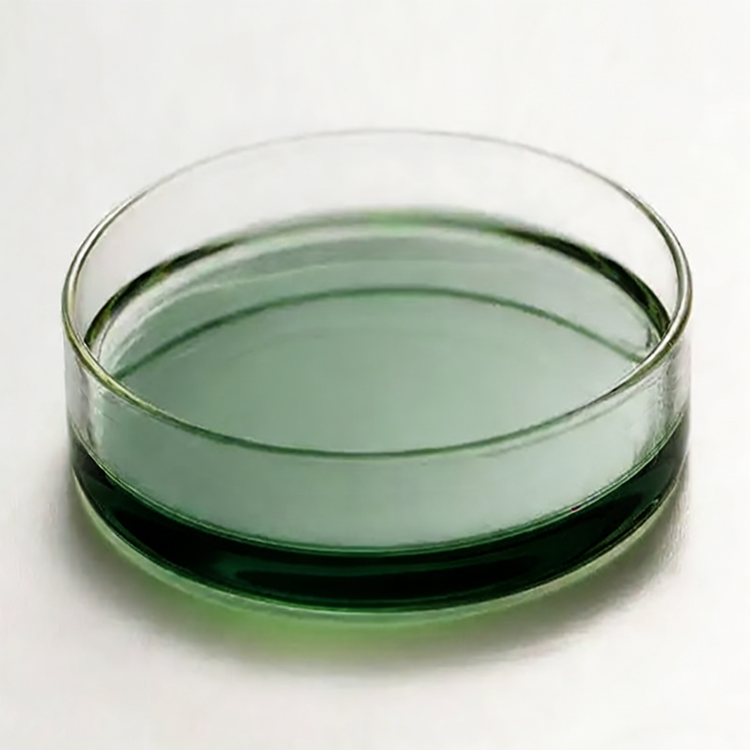
Microalgae EPA Oil (Nannochloropsis) Polar Lipid Omega-3 Ingredient
Microalgae EPA Oil (Nannochloropsis) Polar Lipid Omega-3 Ingredient
Omega-3 Microalgae EPA Oil Polar Lipid Omega-3 EPA Ingredient
Description

Product Details
Product Name:Microalgae EPA Oil (Nannochloropsis Oil)
Source:Microalgae (Nannochloropsis species)
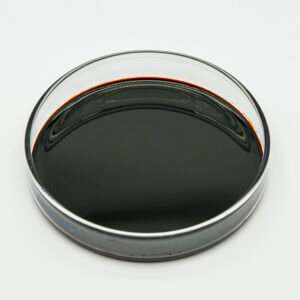
Appearance:Dark green to brown viscous oil
Active Component:Eicosapentaenoic Acid (EPA)
EPA Content:100 – 300 mg/g (approx. 10% – 30%)
Lipid Structure
Polar lipid rich composition including
•Phospholipids
•Glycolipids
•Betaine lipids (DGTS / Lyso-DGTS)
DHA Content:DHA free
1.Key Product Advantages
1.1Sustainable Omega-3 Source
Microalgae are natural primary producers of EPA in the marine ecosystem. Cultivating microalgae allows the production of Omega-3 fatty acids without relying on wild fish stocks, making it a sustainable and environmentally responsible alternative.
The production process involves photosynthetic microalgae growth that naturally fixes carbon dioxide, contributing to a lower environmental footprint.
1.2Polar Lipid Structure for Enhanced Bioavailability
Unlike conventional Omega-3 oils mainly composed of triglycerides, microalgae EPA oil contains significant amounts of polar lipids, including phospholipids and glycolipids. These lipids can improve absorption and transport of fatty acids within the body.
Polar lipids may also participate in lipid transport mechanisms that facilitate delivery of fatty acids to organs such as the brain and liver.
1.3Pure EPA Source Without DHA
Many marine Omega-3 oils contain both EPA and DHA. This microalgae oil provides EPA as the primary fatty acid without DHA, making it particularly suitable for formulations targeting specific EPA-related applications.
EPA has been widely studied for its role in supporting:
•Cardiovascular health
•Healthy blood lipid balance
•Anti-inflammatory responses
•Metabolic health
2.Natural Safety Advantages
Microalgae are located at the base of the marine food chain, meaning they do not accumulate environmental contaminants typically associated with higher trophic organisms.
This provides advantages such as:
•No heavy metal accumulation
•No marine pollutant concentration
•No fishy odor
•Consistent quality control
3.Naturally Occurring Bioactive Lipids
Microalgae EPA oil contains unique lipid components such as lyso-DGTS (lysophospholipid-like betaine lipids), which have been studied for their potential roles in lipid metabolism and cardiovascular health.
These lipid structures may influence lipid transport mechanisms and help regulate lipid balance within the body.
4.Mechanisms and Functional Characteristics
4.1Lipid Metabolism Support
Certain polar lipids are involved in hepatic lipid metabolism pathways and may contribute to maintaining lipid homeostasis.
Research suggests that these lipids can participate in mechanisms that influence triglyceride and cholesterol metabolism.
4.2Anti-Inflammatory Potential
EPA is a precursor for specialized pro-resolving mediators (SPMs), which play an important role in the natural resolution phase of inflammation.
SPMs derived from Omega-3 fatty acids have been widely studied for their role in regulating inflammatory responses and promoting tissue recovery.
4.3Cardiovascular Health Support
Higher blood EPA levels have been associated with a reduced risk of cardiovascular diseases. EPA may help support healthy triglyceride levels, lipid metabolism, and vascular health.
These properties make EPA an important ingredient in nutritional strategies targeting cardiovascular wellness.
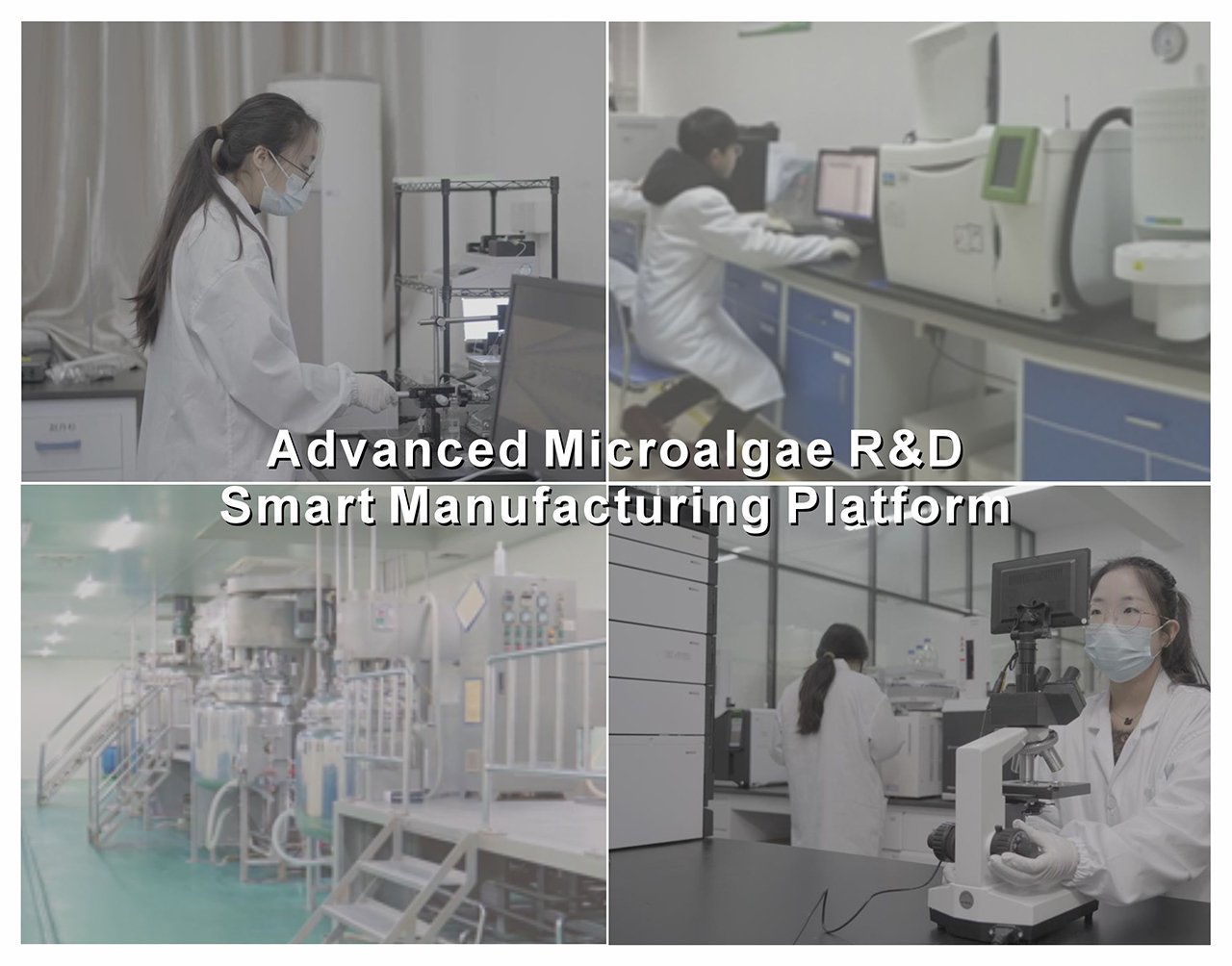
5.Production Process
The production of microalgae EPA oil typically includes the following stages:
5.1Microalgae cultivation using controlled phototrophic systems
5.2Biomass harvesting
5.3Centrifugation and desalination
5.4Lipid extraction
5.5Oil purification and concentration
This controlled process ensures product consistency, traceability, and stable quality for industrial supply.
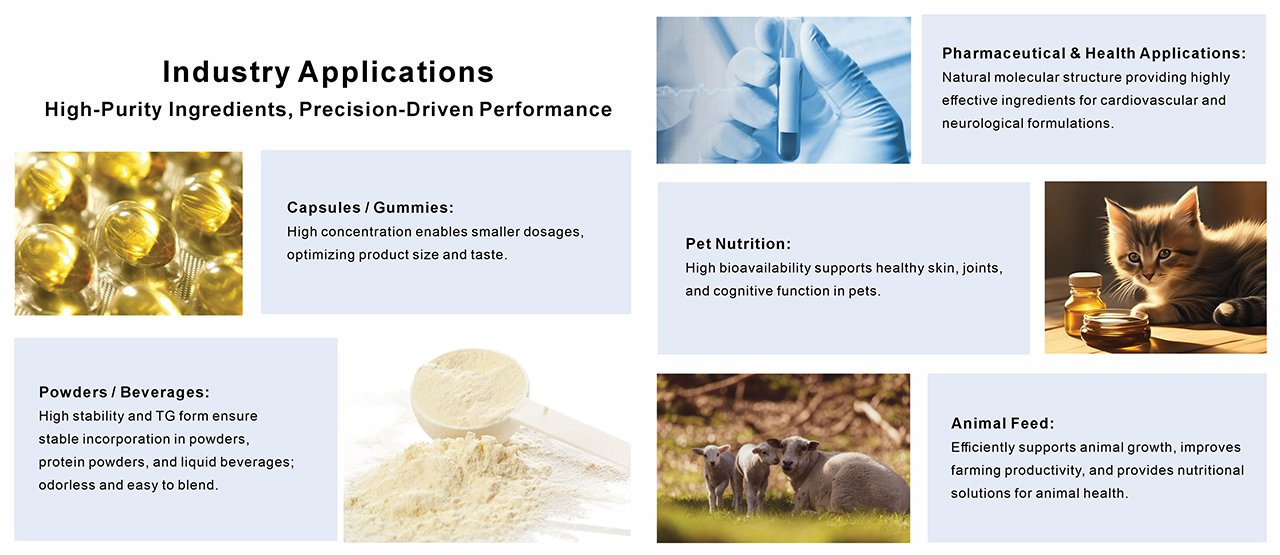
6.Application Areas
Microalgae EPA oil is widely used across multiple industries including:
6.1Dietary Supplements
•Omega-3 capsules
•Softgel supplements
•Cardiovascular support formulas
6.2Functional Foods
•Nutritional beverages
•Functional dairy alternatives
•Nutrition powders
6.3Nutraceutical Formulations
•Metabolic health products
•Anti-inflammatory nutrition products
•Brain and cognitive health supplements
6.4Pharmaceutical and Biomedical Research
•Lipid metabolism research
•Pharmaceutical intermediate development
•Clinical nutrition formulations
7.Packaging Options
Typical packaging formats include
•25 kg drum
•190 kg steel drum
•IBC container
Customized packaging solutions are available according to customer requirements.
8.OEM & Customization
OEM and customized specifications are available, including
8.1Customized EPA concentration
8.2Private label formulation support
8.3Bulk supply for supplement manufacturers
8.4Functional ingredient blending
FAQ: Microalgae EPA Oil (Nannochloropsis) – Polar Lipid Omega-3 Ingredient
1. What is Microalgae EPA Oil (Nannochloropsis)?
Microalgae EPA Oil (Nannochloropsis) is a plant-based Omega-3 oil extracted from the marine microalgae Nannochloropsis. It is naturally rich in eicosapentaenoic acid (EPA) and is known for its high concentration of polar lipids such as glycolipids and phospholipids. This form of Omega-3 provides enhanced bioavailability and stability, making it suitable for advanced nutritional and functional food applications.
2. What makes Nannochloropsis a good source of EPA?
Nannochloropsis microalgae naturally accumulate high levels of EPA during their growth cycle. Through controlled fermentation and extraction processes, the oil retains its natural lipid structure and purity, providing a sustainable and reliable source of Omega-3 EPA without relying on fish resources.
3. What are polar lipids and why are they important?
Polar lipids include phospholipids and glycolipids that contain both hydrophilic and hydrophobic properties. Compared with triglyceride-based oils, polar lipids can improve the dispersion and absorption of EPA in the body, potentially enhancing the biological effectiveness of Omega-3.
4. How is Microalgae EPA Oil produced?
The oil is produced through a controlled microalgae cultivation process followed by advanced extraction and purification. The typical production steps include microalgae fermentation, biomass harvesting, oil extraction, and refining to ensure high EPA content while preserving polar lipid structures.
5. What are the main health benefits of EPA from microalgae?
EPA is widely studied for its role in supporting cardiovascular health, regulating inflammatory responses, and contributing to metabolic balance. As a key Omega-3 fatty acid, EPA may also support joint health, immune function, and overall wellness.
6. Is Microalgae EPA Oil vegan and sustainable?
Yes. Since it is derived directly from microalgae rather than fish, it is completely plant-based and suitable for vegan and vegetarian formulations. Microalgae cultivation also has a lower environmental impact and offers a more sustainable Omega-3 supply compared with traditional marine sources.
7. What applications is this ingredient suitable for?
Microalgae EPA Oil (Nannochloropsis) can be widely used in:
-
Dietary supplements (softgels, capsules, liquid oils)
-
Functional foods and beverages
-
Clinical and medical nutrition products
-
Sports nutrition formulations
-
Animal and pet nutrition
8. What is the difference between EPA microalgae oil and fish oil?
The key difference lies in the source and lipid structure. Microalgae EPA oil is derived directly from the original Omega-3 producer in the marine food chain, eliminating concerns about ocean contaminants. In addition, polar lipid structures found in microalgae oils may improve absorption and functionality in certain applications.
9. How should Microalgae EPA Oil be stored?
To maintain product stability and prevent oxidation, the oil should be stored in a cool, dry place away from direct light and oxygen. Proper packaging such as nitrogen-flushed containers or dark bottles is recommended.
10. What quality standards does Microalgae EPA Oil meet?
High-quality Microalgae EPA Oil typically complies with international food and nutraceutical standards. Depending on the manufacturer, the product may be supported by documentation such as COA, heavy metal testing, oxidation indices (PV/AV), and certifications like GMP, ISO, or HACCP.

Reviews
There are no reviews yet.