
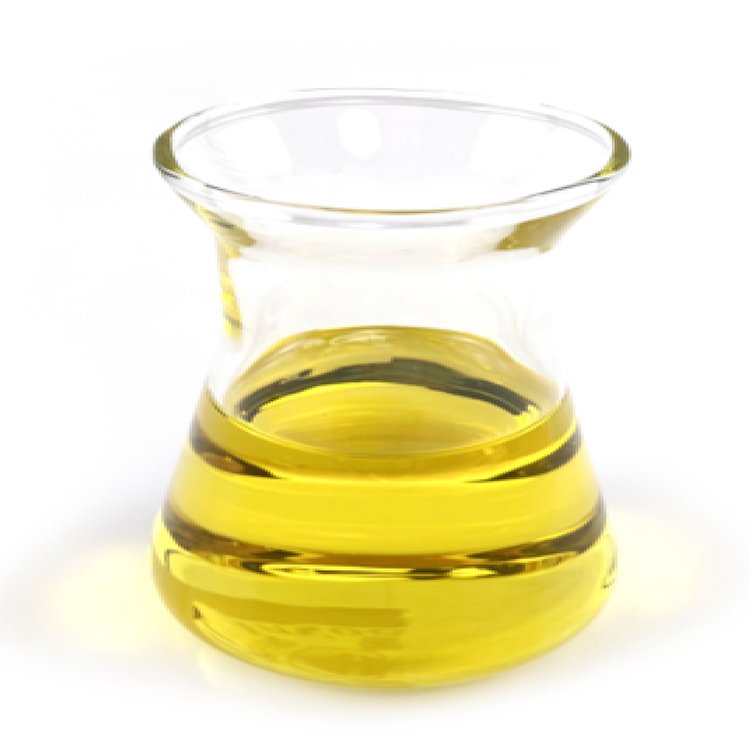
Omega-6 ARA Oil (Arachidonic Acid Oil) for Infant Nutrition and Functional Food Applications
Omega-6 ARA Oil (Arachidonic Acid Oil) for Infant Nutrition and Functional Food Applications
ARA Oil Omega-6 Arachidonic Acid Oil for Infant Formula
Arachidonic Acid Oil (ARA Oil) is a high-value omega-6 polyunsaturated fatty acid ingredient widely used in infant nutrition, dietary supplements, and functional foods. Arachidonic acid (ARA) is one of the most important long-chain polyunsaturated fatty acids naturally present in human tissues, playing a critical role in brain development, nervous system function, immune regulation, and cellular signaling.
ARA is particularly abundant in neural tissues, accounting for a significant proportion of fatty acids in the brain and nerve endings. In infants and young children, the enzymatic capacity required for endogenous ARA synthesis is limited, making dietary intake essential for proper growth and neurological development. For this reason, ARA oil is widely used as a nutritional fortifier in infant formula and early-life nutrition products.
This ARA oil is produced through advanced microbial fermentation technology using high-quality fungal strains under fully controlled fermentation conditions. The resulting lipid ingredient is naturally structured in triglyceride (TG) form, which supports efficient digestion and absorption in the human body. The fermentation-based production process ensures stable quality, reliable supply, and reduced dependence on natural resource limitations.
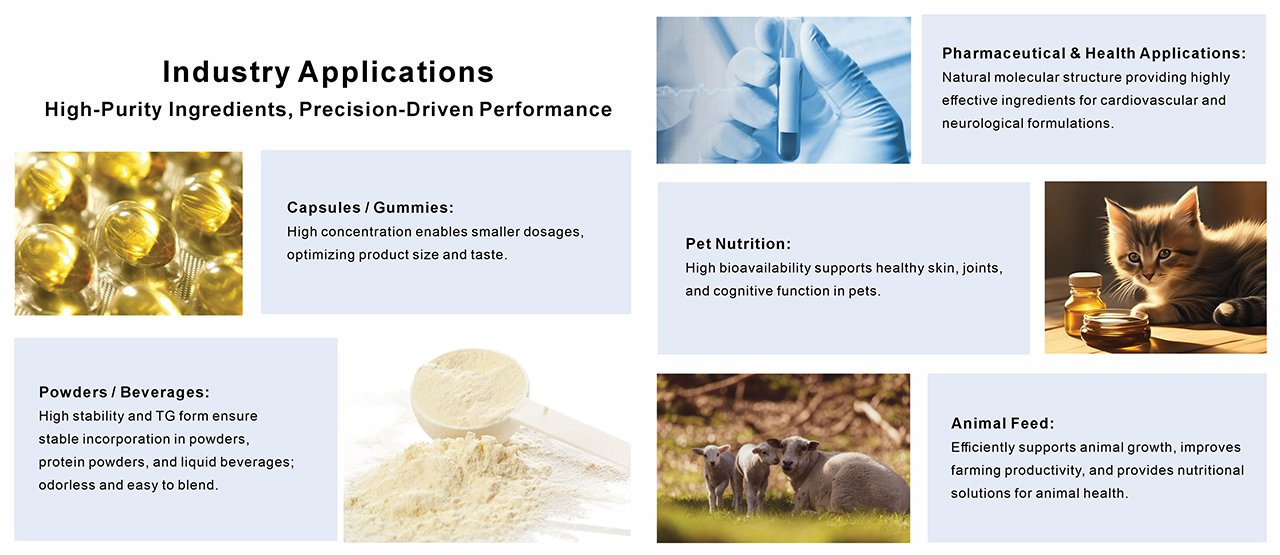
With mild odor characteristics, long shelf life, and consistent purity, this omega-6 ARA oil is widely applied in infant formula, nutritional supplements, medical nutrition products, and various functional foods. Bulk supply, industrial packaging, and OEM customization are available for global manufacturers, formulation companies, and ingredient distributors.
Description


1.Omega-6 Arachidonic Acid Oil (ARA Oil)
Omega-6 Arachidonic Acid Oil is a specialized lipid ingredient providing a concentrated source of arachidonic acid (ARA), an essential long-chain polyunsaturated fatty acid belonging to the omega-6 family. ARA is widely distributed in human tissues and plays a fundamental role in physiological processes including brain development, nervous system function, immune response, and cellular signaling pathways.
Among all polyunsaturated fatty acids present in the human body, arachidonic acid is one of the most biologically significant. It is a major structural component of cell membranes and serves as a precursor for a wide range of signaling molecules known as eicosanoids. These molecules regulate inflammatory responses, immune function, and cellular communication.
ARA is particularly abundant in the brain and nervous system. Studies have shown that arachidonic acid represents a substantial proportion of total fatty acids in neural tissues. In the developing brain, ARA contributes to membrane fluidity, neuronal growth, synapse formation, and signal transmission. In nerve terminals, the concentration of ARA can reach extremely high levels, reflecting its importance in neural activity.
Because of these physiological roles, ARA has become an essential nutrient in infant nutrition products worldwide.
2.Importance of ARA in Infant Development
During early life stages, infants require adequate amounts of long-chain polyunsaturated fatty acids to support rapid growth and neurological development. However, newborns and young infants have limited enzymatic capacity to synthesize sufficient ARA from dietary precursors.
As a result, dietary intake becomes the primary source of arachidonic acid during infancy.
Human breast milk naturally contains both ARA and DHA, two essential fatty acids that support brain development and visual function. Infant formula products are therefore commonly fortified with ARA to more closely resemble the fatty acid composition of breast milk.
In infant nutrition, ARA contributes to:
•brain and cognitive development
•nervous system maturation
•immune system development
•cellular growth and signaling
•balanced fatty acid metabolism
Because of these benefits, ARA oil has become a key ingredient in modern infant formula formulations across global markets.
3.Fermentation-Based Production Technology
The ARA oil described here is produced using advanced microbial fermentation technology. Selected fungal strains capable of naturally synthesizing high levels of arachidonic acid are cultivated under carefully controlled fermentation conditions.
This biotechnology-based production approach provides several important advantages compared with traditional extraction methods.
First, fermentation allows the production environment to be tightly controlled, ensuring consistent product quality and purity. Second, the process is independent of seasonal variations or natural resource limitations, enabling stable large-scale production. Third, fermentation technology significantly reduces the risk of environmental contamination.
During the fermentation process, the microorganism naturally synthesizes lipids rich in arachidonic acid. These lipids are then extracted and refined into high-purity ARA oil suitable for food and nutrition applications.
The resulting oil maintains a natural triglyceride (TG) molecular structure, which supports efficient digestion and absorption.
4.Natural Triglyceride Structure and Bioavailability
The molecular structure of lipids plays a key role in how efficiently they are digested and utilized by the body. In this product, arachidonic acid is present in the natural triglyceride (TG) form.
Triglycerides are the primary form of dietary fat found in natural foods and human metabolism. This structure allows digestive enzymes such as lipases to effectively break down the fat molecules and release fatty acids for absorption in the intestine.
Compared with certain modified lipid formats, triglyceride-based fatty acids are generally considered more compatible with normal digestion and metabolism.
The TG structure therefore supports improved nutritional utilization of ARA in food and supplement formulations.
5.Stable Quality and Reliable Supply
A major advantage of fermentation-derived ARA oil is its stable and traceable production process. Because production takes place in controlled fermentation systems, the entire supply chain can be monitored from raw materials to final product.
This approach allows manufacturers to maintain strict quality control standards and ensure consistent product specifications.
The fermentation process also enables large-scale production independent of agricultural or marine resource availability, ensuring long-term supply stability for global food and nutrition manufacturers.
6.Applications Across Nutrition Industries
ARA oil is widely used in multiple nutrition and health product categories due to its essential physiological roles.
6.1Infant Nutrition
The most important application of ARA oil is in infant formula products designed to replicate the fatty acid composition of breast milk. ARA is commonly added together with DHA to support infant brain and eye development.
6.2Nutritional Supplements
ARA oil can also be incorporated into dietary supplements designed to support general health, cognitive performance, and balanced fatty acid intake.
6.3Functional Foods
Food manufacturers incorporate ARA oil into various fortified products including nutritional beverages, milk powders, and health foods.
6.4Medical Nutrition
ARA is used in specialized nutritional formulas intended for clinical nutrition and specific dietary requirements.
6.5Health and Wellness Products
ARA oil is also used in certain specialty formulations targeting cognitive health, immune balance, and metabolic support.
7.Product Specifications
Product Name: Arachidonic Acid Oil (ARA Oil)
ARA Content
≥38%
≥40%
≥50%
Structure:Natural Triglyceride (TG)
Production Method:Microbial fermentation
Quality Standards:GB1903.65-2024 Food Safety Standard for Arachidonic Acid Oil (Fermentation Method)
8.Certifications
Manufactured under internationally recognized food safety management systems including:
ISO9001
ISO22000
FSSC22000
Also compliant with HALAL and KOSHER certification standards.
9.Packaging Options
5 kg bottle × 4 bottles per carton (food-grade aluminum bottle)
20 kg bottle × 1 bottle per carton (food-grade aluminum bottle)
200 kg drum (food-grade coated steel drum)
IBC bulk container
10.Storage Conditions
Store in a cool, dry, and well-ventilated environment.
Keep containers tightly sealed to prevent oxidation.
Shelf life: 24 months under recommended storage conditions.
FAQ
1.What is ARA oil used for?
ARA oil is primarily used in infant formula, nutritional supplements, functional foods, and medical nutrition products.
2. Why is ARA important in infant nutrition?
ARA plays a critical role in brain development, nervous system growth, and immune function during early life.
3. How is ARA oil produced?
ARA oil is produced through controlled microbial fermentation using specialized fungal strains capable of synthesizing arachidonic acid.
4. What purity levels are available?
Typical specifications include ARA concentrations of ≥38%, ≥40%, and ≥50%.
5.What molecular structure does this oil have?
The oil naturally exists in triglyceride (TG) form, supporting efficient digestion and absorption.
6.Is ARA oil stable for food applications?
Yes. The product offers good oxidative stability, mild odor, and long shelf life when stored properly.
7. What packaging options are available for industrial buyers?
Industrial packaging includes 5 kg bottles, 20 kg bottles, 200 kg drums, and IBC bulk containers.
8.What industries commonly use ARA oil?
Infant formula manufacturers, nutraceutical companies, functional food producers, and medical nutrition companies.
9.Is the product suitable for global markets?
Yes. Production follows international food safety management systems and widely recognized certification standards.
10. Can specifications or packaging be customized?
OEM specifications and customized packaging solutions are available for industrial customers.

Reviews
There are no reviews yet.