What Is Monk Fruit Extract? Complete Guide for Food & Beverage Manufacturers
What Is Monk Fruit Extract? Benefits, Applications & Mogroside V Guide What Is Monk Fruit Extract? Complete Guide for Food & Beverage Manufacturers Introduction As consumers increasingly seek healthier alternatives to sugar, manufacturers are under pressure to reduce calories without compromising taste. Among the growing range of natural sweeteners, Monk Fruit Extract has emerged as…
What Is Monk Fruit Extract? Benefits, Applications & Mogroside V Guide
What Is Monk Fruit Extract? Complete Guide for Food & Beverage Manufacturers
Introduction
As consumers increasingly seek healthier alternatives to sugar, manufacturers are under pressure to reduce calories without compromising taste. Among the growing range of natural sweeteners, Monk Fruit Extract has emerged as one of the most promising solutions.
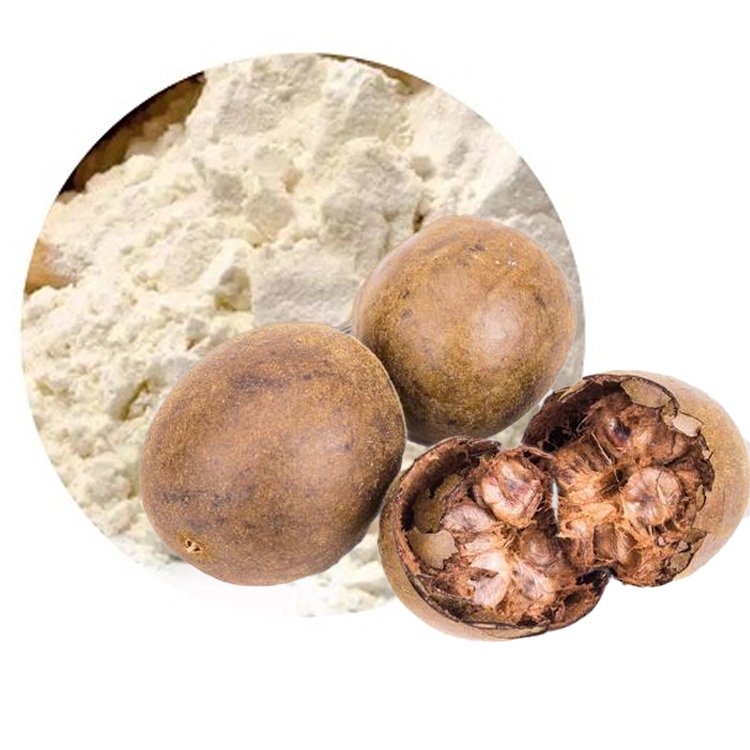
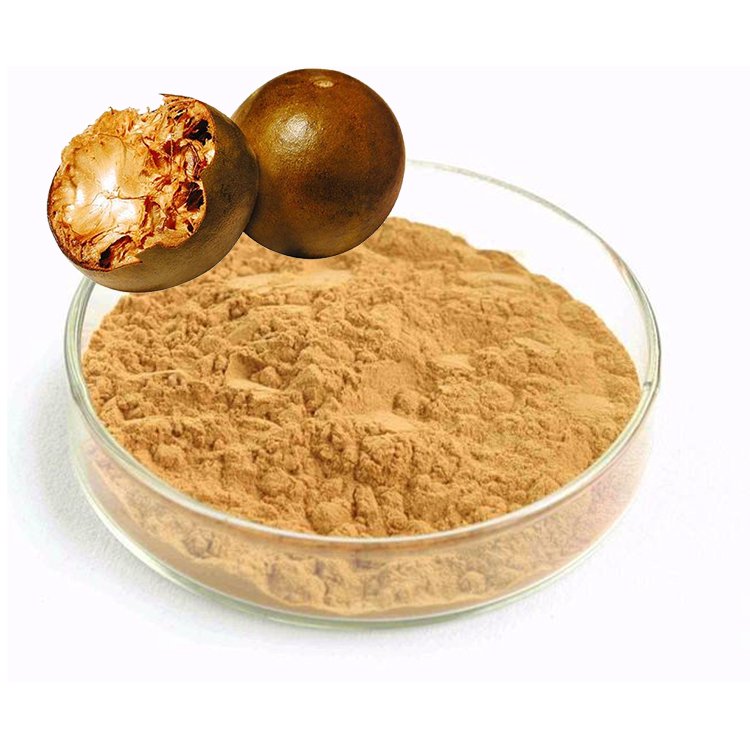
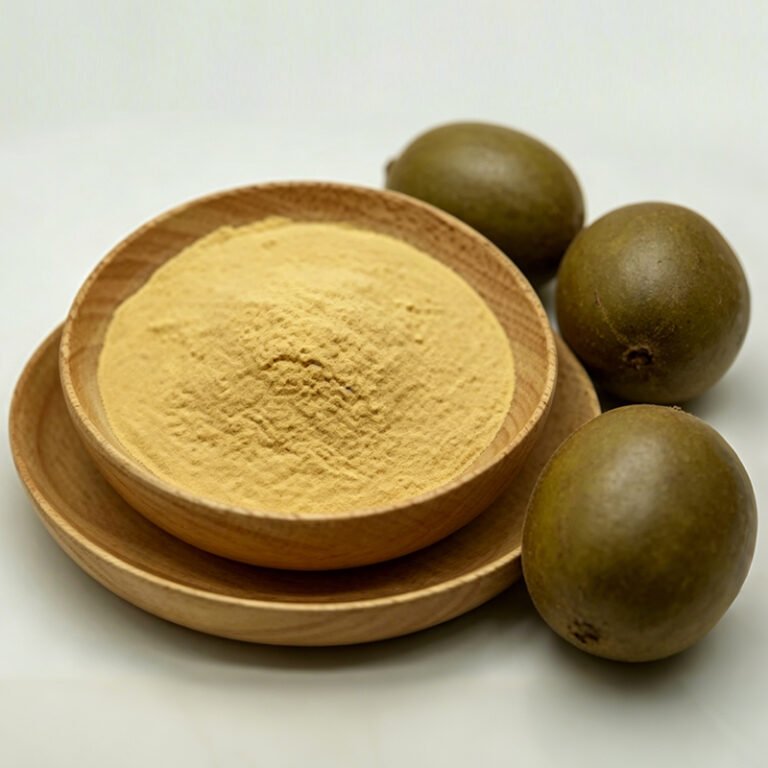
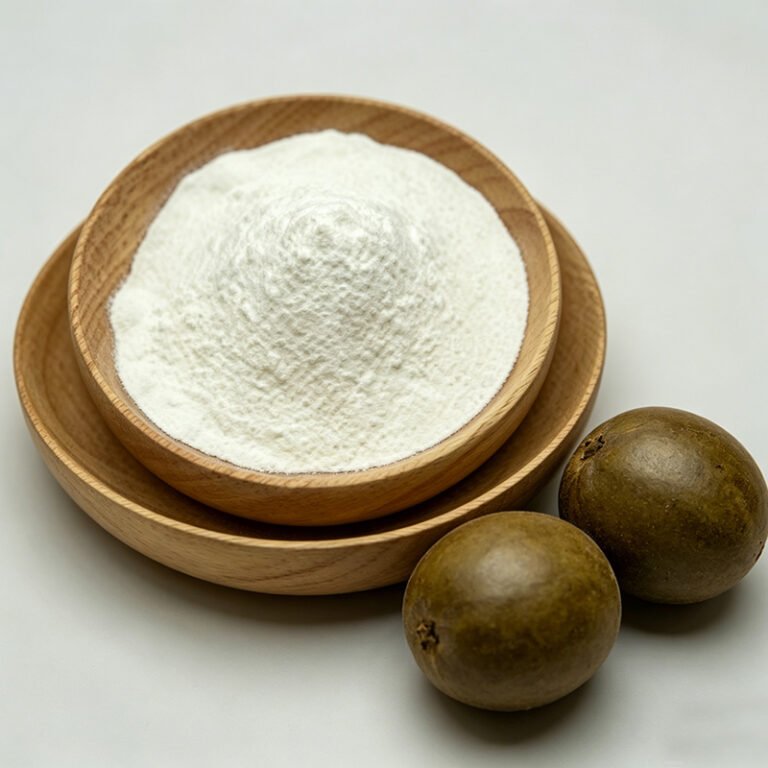
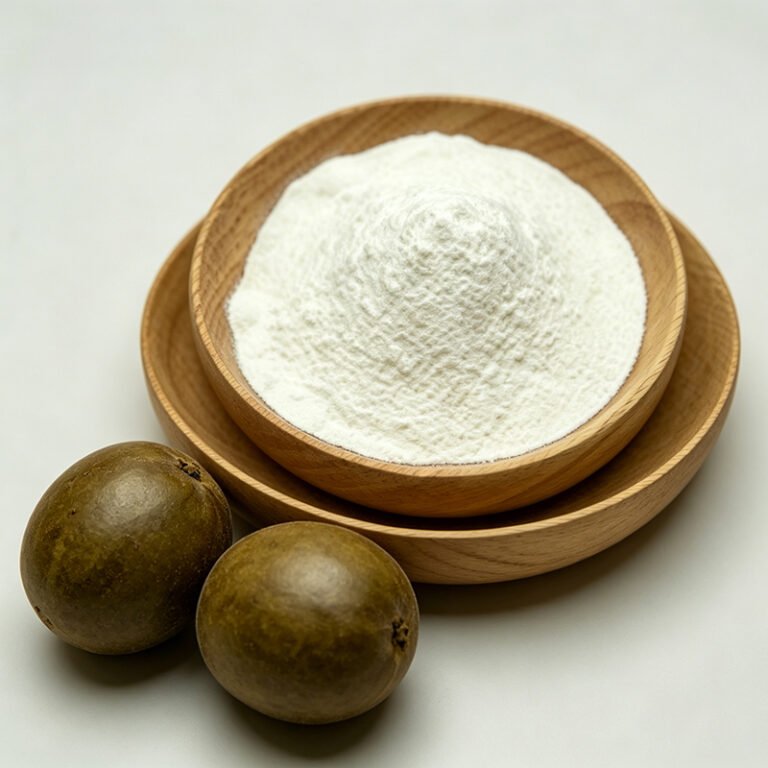
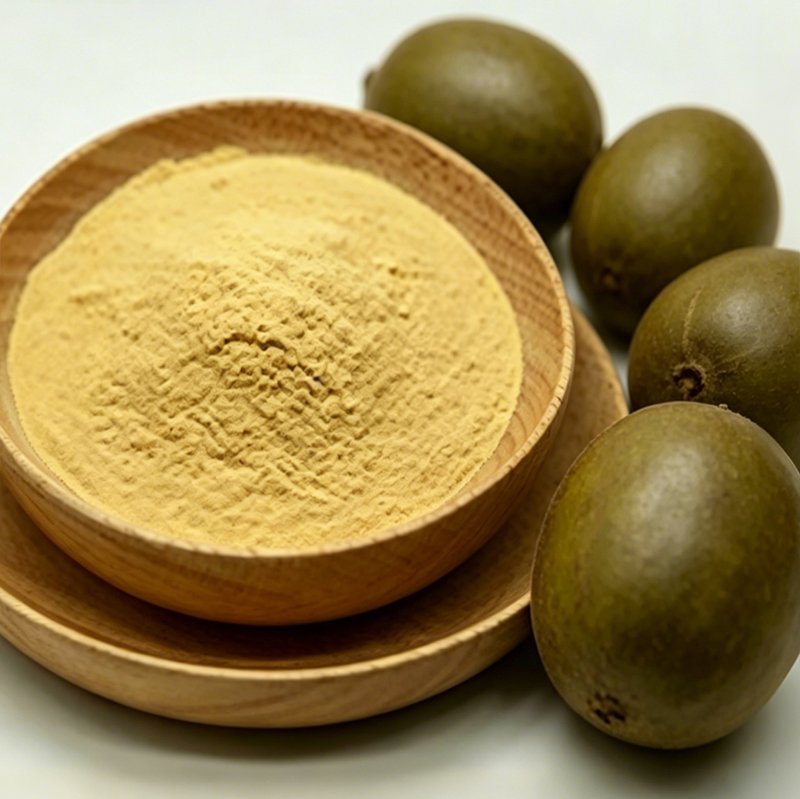
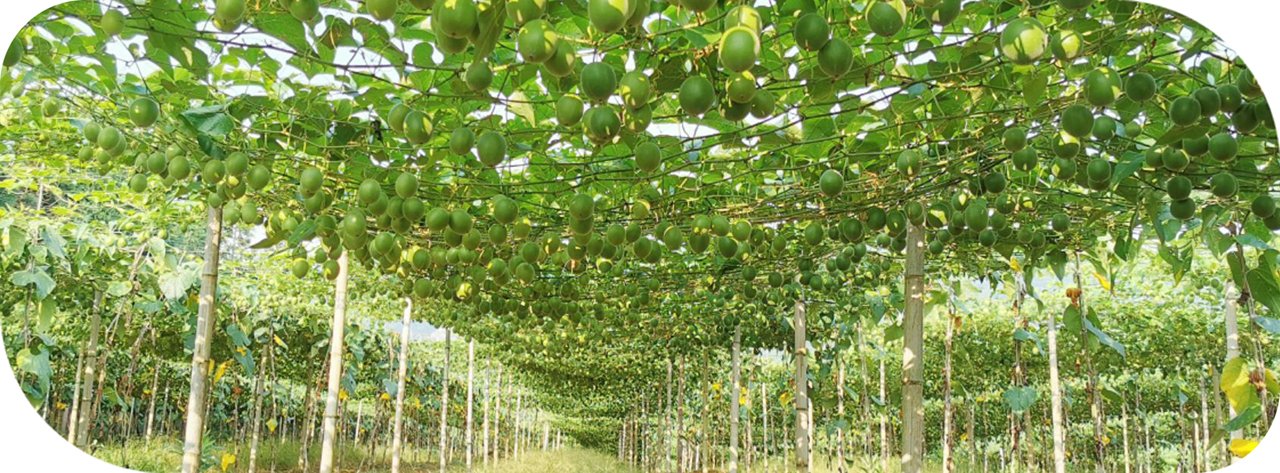
Derived from the fruit Siraitia grosvenorii, Monk Fruit Extract is known for its clean sweetness, zero calories, and natural origin. Today, it is widely used in beverages, dairy products, protein powders, functional foods, and sugar-reduction formulations worldwide.
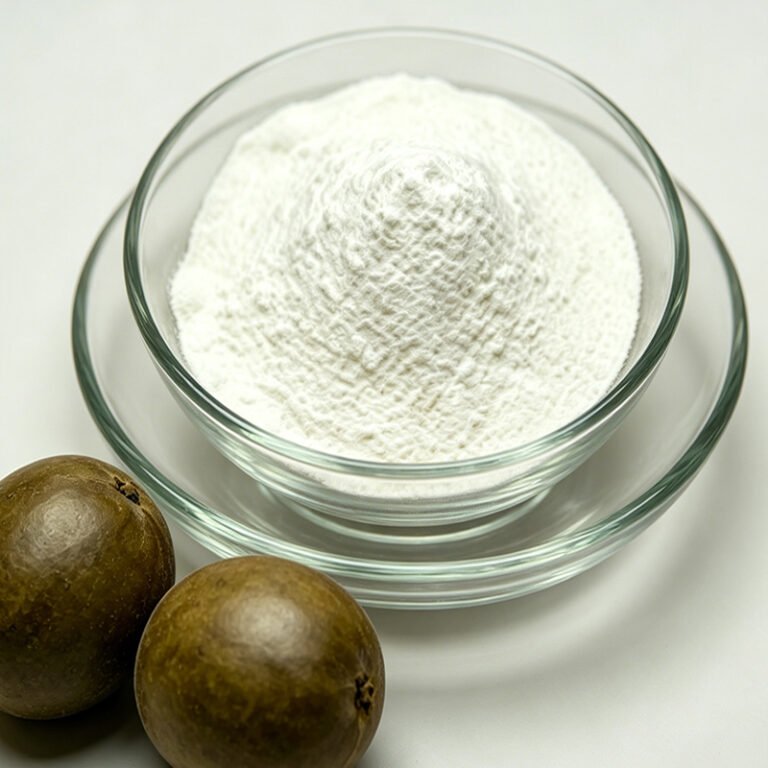
For companies looking for a reliable natural sweetener, 【Monk Fruit Extract Powder (Mogroside V20-75)】has become one of the fastest-growing ingredient categories in the global food industry.
What Is Monk Fruit Extract?
Monk Fruit, also known as Luo Han Guo, has been cultivated in China for hundreds of years.
Its sweetness comes from naturally occurring compounds called Mogrosides, particularly Mogroside V.
Unlike sugar, Mogroside V contributes sweetness without significantly contributing calories.
Depending on concentration, Monk Fruit Extract may provide sweetness ranging from 80 to 300 times sweeter than sucrose.
Available specifications include:
【Mogroside V20 Monk Fruit Extract】
【Mogroside V30 Monk Fruit Extract】
【Mogroside V40 Monk Fruit Extract】
【Mogroside V50 Monk Fruit Extract】
【Mogroside V60 Monk Fruit Extract】
【Mogroside V75 Monk Fruit Extract】
Different concentrations allow manufacturers to select the ideal balance between sweetness intensity and formulation cost.
Why Is Monk Fruit Extract Growing So Fast?
Several market trends are driving demand:
Global Sugar Reduction Policies
Governments worldwide continue encouraging lower sugar consumption.
Consumer Demand for Natural Ingredients
Consumers increasingly prefer plant-derived sweeteners over artificial alternatives.
Clean Label Trends
Monk Fruit Extract is recognized as a naturally sourced ingredient suitable for clean-label formulations.
Zero-Calorie Positioning
The ability to provide sweetness without significant calories supports reduced-sugar product development.
Major Applications
Beverage Industry
One of the fastest-growing application areas is beverages.
Examples include:
- Sparkling water
- Functional drinks
- Energy beverages
- Sports drinks
- RTD tea
- Flavored water
For beverage manufacturers, 【Natural Sugar Reduction Solution for Beverage Manufacturers】 provides a practical approach to reducing sugar while maintaining sweetness.
Dairy Industry
Monk Fruit Extract is increasingly used in:
- Yogurt
- Drinking yogurt
- Milk beverages
- Protein dairy products
- Fermented dairy formulations
For these applications, manufacturers often choose 【Monk Fruit Extract for Dairy Applications】
Protein Nutrition
Protein products frequently require sweetness masking and sugar reduction.
Typical products include:
- Whey protein
- Plant protein
- Meal replacement powders
- Sports nutrition formulas
Many brands use 【Monk Fruit Extract for Protein Powder】 to improve taste profiles while supporting low-sugar claims.
Choosing the Right Mogroside V Level
Different applications require different sweetness strengths.
Specification:Sweetness
V20:80–120x
V30:120–150x
V40:160x
V50:200x
V60:250x
V75 :300x
Lower specifications are often selected for large-volume industrial applications.
Higher specifications are commonly used where maximum sweetness efficiency is required.
For a detailed comparison, see:
【Mogroside V20 vs V50 vs V75】
Why Source from China?
More than 90% of global Monk Fruit production originates from China.
Advantages include:
- Established cultivation regions
- Mature supply chain
- Large-scale extraction facilities
- Consistent raw material availability
- Competitive production costs
Conclusion
Monk Fruit Extract has evolved from a traditional botanical ingredient into one of the most important natural sweeteners for modern food innovation.
Whether you are developing beverages, dairy products, protein powders, or functional foods, selecting the correct Mogroside V specification is essential for balancing sweetness, taste, and formulation cost.
Explore:
- 【Monk Fruit Extract Powder (Mogroside V20-75)】
- 【Monk Fruit Extract for Dairy Applications】
- 【Monk Fruit Extract for Protein Powder】
- 【Natural Sugar Reduction Solution for Beverage Manufacturers】
Looking for a Reliable Monk Fruit Extract Supplier?
✔ Mogroside V20–V75 Available
✔ Organic & Conventional Options
✔ Kosher, Halal
✔ Beverage, Dairy & Protein Solutions
✔ Global Bulk Supply
Request COA, Samples & Bulk Pricing Today
Frequently Asked Questions (FAQ)
1. Is Monk Fruit healthier than Stevia?
Both Monk Fruit and Stevia are natural, plant-based sweeteners widely used in sugar reduction applications. Many manufacturers prefer Monk Fruit Extract because it typically provides a cleaner sweetness profile with less bitterness and a more pleasant taste experience.
2. Which sweetener tastes closer to sugar?
Monk Fruit Extract is generally considered to offer a sweeter, cleaner, and more sugar-like taste profile, with less lingering aftertaste compared to many alternative high-intensity sweeteners.
3. Is Monk Fruit suitable for protein powders?
Yes. Monk Fruit Extract is widely used in protein powders, meal replacement products, collagen supplements, and sports nutrition formulations because it helps balance bitterness, improve flavor perception, and support sugar reduction goals.
4. Which Mogroside V specification is most popular?
Mogroside V50% and Mogroside V75% are among the most commonly selected specifications for premium food, beverage, and nutritional supplement formulations due to their high purity and sweetness intensity.
5. Can Monk Fruit and Stevia be blended together?
Yes. Many food and beverage manufacturers combine Monk Fruit Extract and Stevia to optimize sweetness performance, improve taste profiles, and achieve greater formulation cost efficiency.
6. Does Monk Fruit contain calories?
Monk Fruit Extract is commonly used as a zero-calorie sweetener in food, beverage, and dietary supplement applications, making it an attractive option for sugar-free and reduced-calorie product development.