High-Purity Bee Propolis Ingredients for Nutraceutical & Functional Food Brands
What Is Propolis and Why It Matters in Modern Formulation Propolis is a natural resinous material collected by honeybees from plants within the same vegetation belt, then transformed through enzymatic processes inside the hive. This botanical consistency is one of the most critical factors affecting propolis quality, chemical stability, and functional performance. In modern nutraceutical…
What Is Propolis and Why It Matters in Modern Formulation
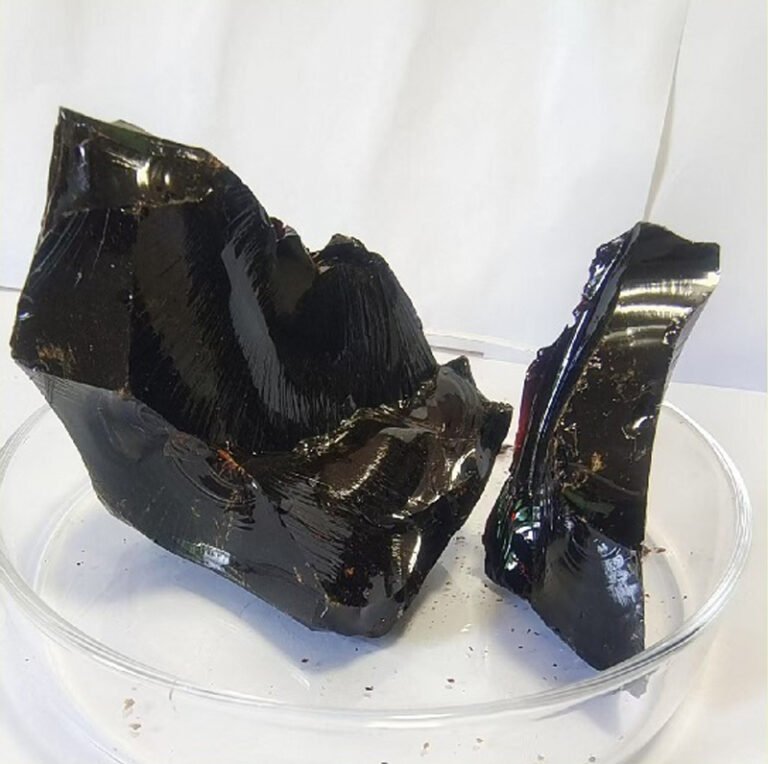
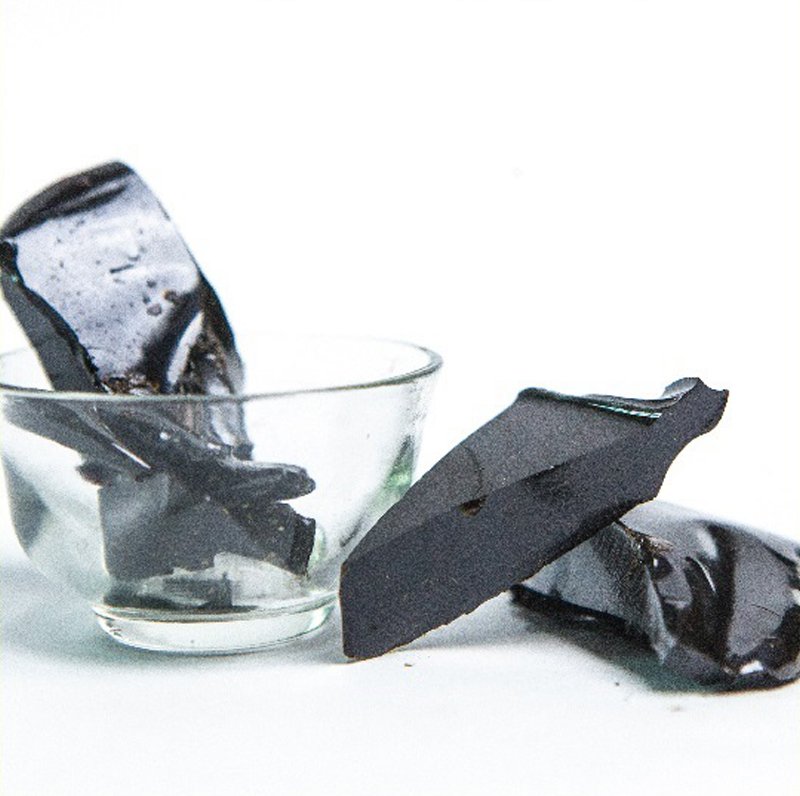
Propolis is a natural resinous material collected by honeybees from plants within the same vegetation belt, then transformed through enzymatic processes inside the hive. This botanical consistency is one of the most critical factors affecting propolis quality, chemical stability, and functional performance.
In modern nutraceutical and functional food industries, propolis is no longer treated as a single raw material, but rather as a family of standardized ingredients adapted to different formulation needs.
Our portfolio focuses on two industrial formats:
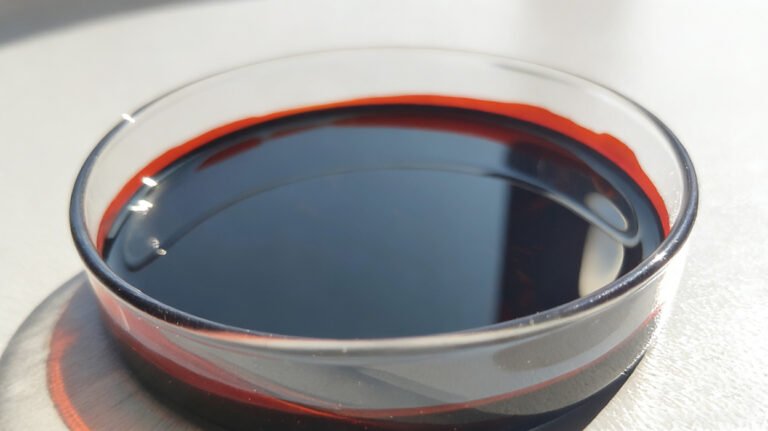
【Propolis Extract】
【Propolis Powder】
Both formats are derived from the same high-quality propolis source but optimized for different applications.
Chemical Complexity & Functional Value
Propolis is recognized for its highly complex chemical composition. Scientific analysis confirms the presence of:
•Flavonoids (core functional markers)
•Phenolic acids and esters
•Terpenes and sterol compounds
•Amino acids, fatty acids, enzymes
•Vitamins and trace minerals
This complexity explains why standardization, extraction method, and quality control are decisive factors for B2B buyers.
For deeper insights, see:
【How to Choose Between Propolis Extract and Propolis Powder】
【Why Flavonoid Content Defines Propolis Quality】
Extraction Method: Ethanol-Based, Clean & Compliant
All our propolis ingredients are produced via ethanol extraction, the most accepted industrial method for resin-based bee products.
Key outcomes:
•Propolis ethanol extract ≥95%
•Total flavonoids: 17% or 20%
•No solvent residue
•Excellent batch-to-batch consistency
From Raw Material to Finished Ingredient: Quality Control
Each batch undergoes full-spectrum testing, including pesticide residues, heavy metals, microbiology, and solvent residue. Quality is controlled across raw material sourcing, extraction, formulation, and final release.
To understand how quality indicators affect applications:
【Ethanol-Extracted Propolis and Its Application Logic】
Application-Oriented Ingredient Design
Rather than offering a single “one-size-fits-all” material, we design propolis ingredients based on application logic, dosage form, and market expectations.
Typical applications include:
•Dietary supplements
•Functional foods
•Immune-support formulations
•Oral care and wellness products
Market-focused insights are discussed in:
【Propolis Applications in Global Nutraceutical Markets】
Propolis Powder & Extract – Frequently Asked Questions (FAQ)
1. Can propolis powder be customized by content?
Yes. Propolis powder and propolis extract can be customized by active content, especially flavonoid levels, polyphenols, and total bioactive compounds.
For B2B applications, manufacturers often request standardized flavonoid content (e.g. 5%, 10%, 20%, or higher) depending on formulation needs, dosage requirements, and market positioning. Customization may also include solvent type, concentration ratio, and particle size.
2. Are excipients optional or mandatory?
Excipients are optional, not mandatory.
They are typically added to improve flowability, stability, solubility, or compatibility with automated production. Common excipients include maltodextrin, cyclodextrin, or gum arabic.
For brands seeking clean-label or high-purity propolis, excipient-free propolis extract powders are also available.
3. Which format is better for automated production?
For automated and large-scale production, propolis extract powder is generally preferred over raw propolis powder or viscous extracts.
Powder formats offer:
-
Better flow properties
-
Easier dosing and blending
-
Compatibility with capsules, tablets, sachets, and premix systems
Spray-dried or granulated propolis extracts are especially suitable for high-speed manufacturing lines.
4. How is flavonoid content tested?
Flavonoid content in propolis is commonly tested using:
-
UV-Vis spectrophotometry (aluminum chloride colorimetric method)
-
HPLC analysis for specific marker compounds
Results are usually expressed as total flavonoids (e.g. quercetin equivalents). Reliable suppliers provide COA documentation and batch-to-batch consistency data.
5. Is higher flavonoid content always better?
Not necessarily. While flavonoids are key active compounds, higher flavonoid content does not always equal better performance.
Very high concentrations may affect:
-
Taste (increased bitterness)
-
Solubility
-
Cost-efficiency in formulations
The optimal flavonoid level depends on application type, target dosage, and regulatory limits in each market.
6. Can specifications be aligned with different markets?
Yes. Propolis specifications can be tailored to meet regulatory and commercial requirements in different regions, including:
-
China
-
United States
-
European Union
-
Japan
-
Southeast Asia
Customization may involve solvent limits, excipient selection, heavy metal thresholds, and labeling standards to ensure compliance with local food and supplement regulations.
7. Is water-soluble propolis available?
Yes. Water-soluble propolis extract is available and increasingly popular.
Through advanced extraction and encapsulation technologies (such as cyclodextrin inclusion or emulsification), propolis can be made suitable for aqueous systems, improving dispersion in beverages, syrups, and functional drinks.
8. How does extraction affect solubility?
Extraction methods have a major impact on solubility:
-
Ethanol extracts offer high bioactive concentration but limited water solubility
-
Water-based or modified extracts improve solubility but may have lower total flavonoids
The right extraction process balances bioavailability, stability, and application requirements.
9. Which regions prefer propolis extract?
Propolis extract is widely used in:
-
Asia (China, Japan, Korea) – functional foods and immune-support products
-
Europe – dietary supplements and natural health formulations
-
North & South America – capsules, tinctures, and wellness blends
Market preference often favors standardized propolis extracts over raw propolis for quality control and formulation efficiency.
10. What format works best for functional foods?
For functional food applications, the best formats are:
-
Water-soluble propolis powder for beverages and instant drinks
-
Low-odor, low-bitterness propolis extract powder for bars, gummies, and dairy alternatives
These formats ensure better taste masking, dispersion, and processing stability, which are critical for consumer acceptance.
Looking for a reliable propolis ingredient partner?
Contact us to discuss specifications, applications, and long-term supply.