Why Flavonoid Content Is the Core Quality Indicator of Propolis
Flavonoids are widely recognized as the most important functional markers in propolis. In international markets, flavonoid content is often the first parameter evaluated by buyers. This article complements: 【Propolis Extract & Propolis Powder Overview】 Understanding Flavonoids in Propolis Flavonoids contribute to antioxidant activity and overall functional performance. As a result, they are used as a…
Flavonoids are widely recognized as the most important functional markers in propolis. In international markets, flavonoid content is often the first parameter evaluated by buyers.
This article complements:
【Propolis Extract & Propolis Powder Overview】
Understanding Flavonoids in Propolis
Flavonoids contribute to antioxidant activity and overall functional performance. As a result, they are used as a benchmark for standardization.
Our offerings:
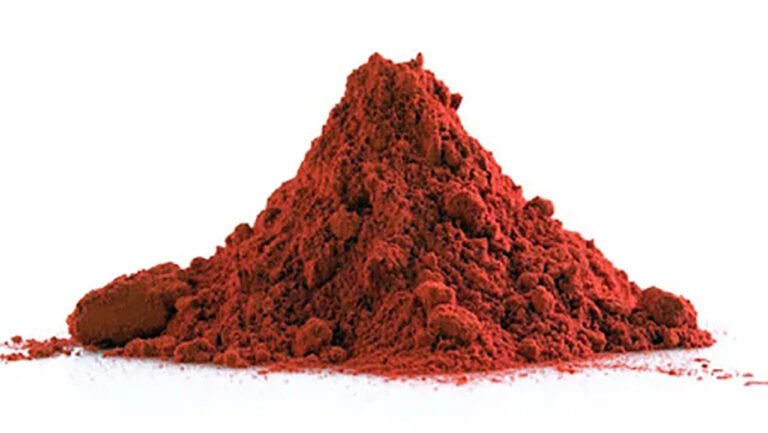
【Propolis Extract (17% Flavonoids)】
【Propolis Extract (20% Flavonoids)】
Quality Control & Compliance
All flavonoid values are verified through standardized testing, ensuring compliance with GB24283-2018 and international expectations.
Propolis Powder & Extract – Frequently Asked Questions (FAQ)
1. How is flavonoid content tested?
Flavonoid content in propolis is commonly tested using:
-
UV-Vis spectrophotometry (aluminum chloride colorimetric method)
-
HPLC analysis for specific marker compounds
Results are usually expressed as total flavonoids (e.g. quercetin equivalents). Reliable suppliers provide COA documentation and batch-to-batch consistency data.
2. Is higher flavonoid content always better?
Not necessarily. While flavonoids are key active compounds, higher flavonoid content does not always equal better performance.
Very high concentrations may affect:
-
Taste (increased bitterness)
-
Solubility
-
Cost-efficiency in formulations
The optimal flavonoid level depends on application type, target dosage, and regulatory limits in each market.
3. Can specifications be aligned with different markets?
Yes. Propolis specifications can be tailored to meet regulatory and commercial requirements in different regions, including:
-
China
-
United States
-
European Union
-
Japan
-
Southeast Asia
Customization may involve solvent limits, excipient selection, heavy metal thresholds, and labeling standards to ensure compliance with local food and supplement regulations.
Request flavonoid specifications and COA for evaluation.