
Astaxanthin Oil vs Powder: Which One Is Better for Your Product Development?
Astaxanthin Oil vs Powder: Which One Is Better for Your Product Development? Astaxanthin Oil vs Powder: A Complete Guide for Manufacturers and Formulators Choosing between astaxanthin oil and powder is one of the most common challenges faced by B2B buyers in the nutraceutical and functional food industry. While both formats contain the same active compound,…
Astaxanthin Oil vs Powder: Which One Is Better for Your Product Development?
Astaxanthin Oil vs Powder: A Complete Guide for Manufacturers and Formulators
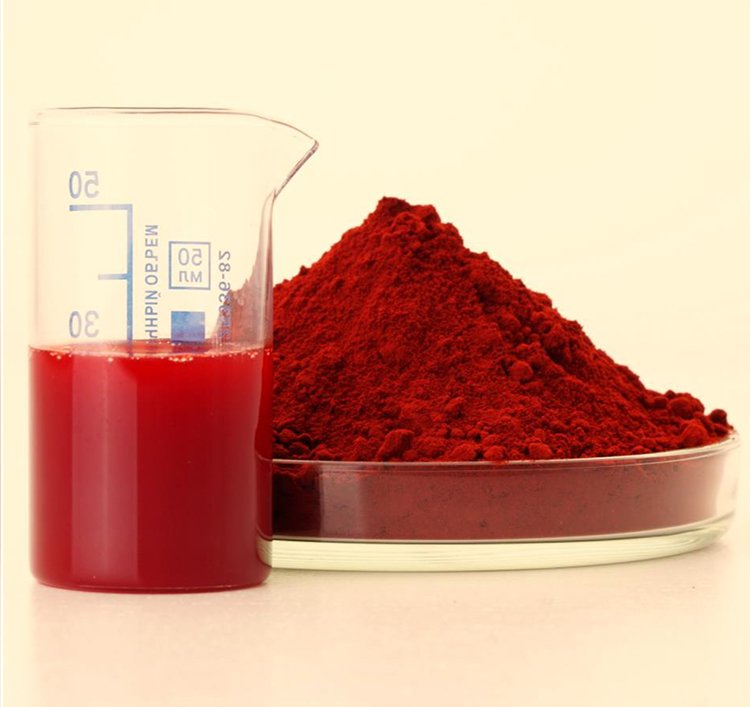
Choosing between astaxanthin oil and powder is one of the most common challenges faced by B2B buyers in the nutraceutical and functional food industry. While both formats contain the same active compound, their performance, stability, and application differ significantly.
Understanding Astaxanthin Formats
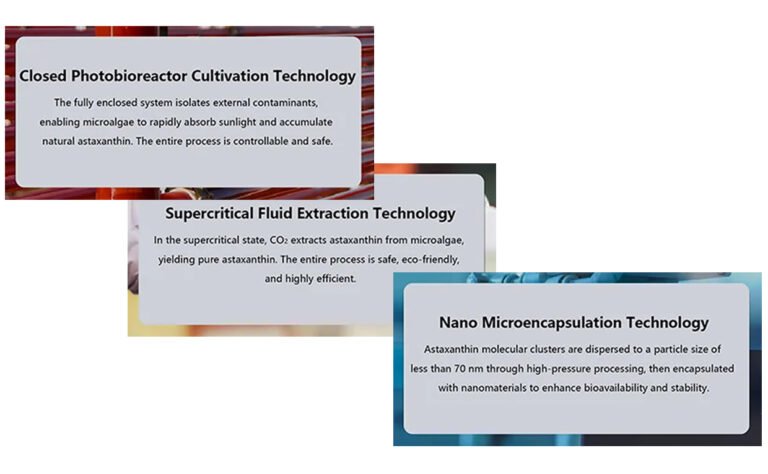
Astaxanthin is naturally lipid-soluble, which is why it is commonly found in oil form. However, advancements in formulation technology have introduced microencapsulated powder and water-soluble formats.
Explore formats:
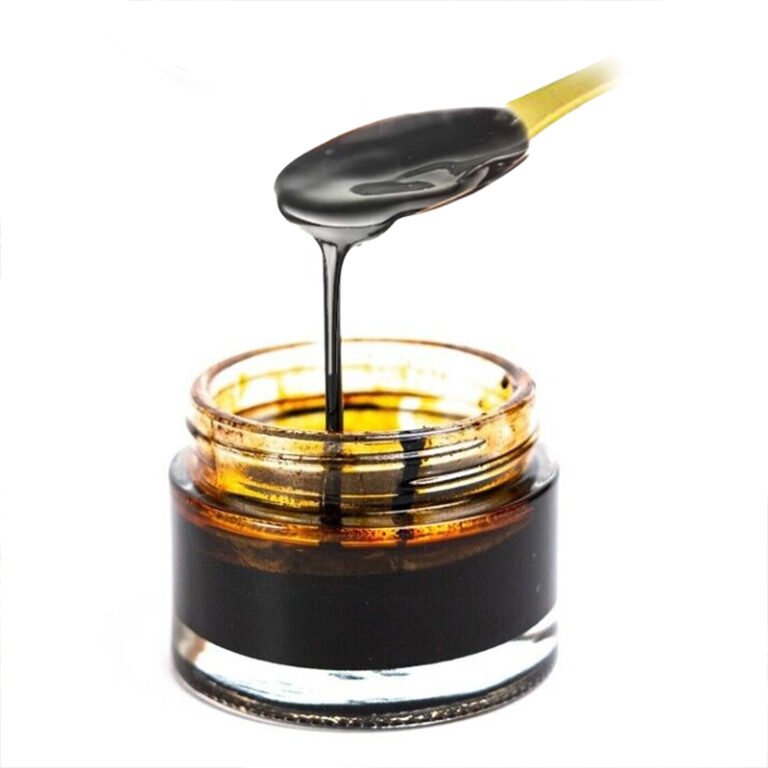
【High Purity Astaxanthin Oil】
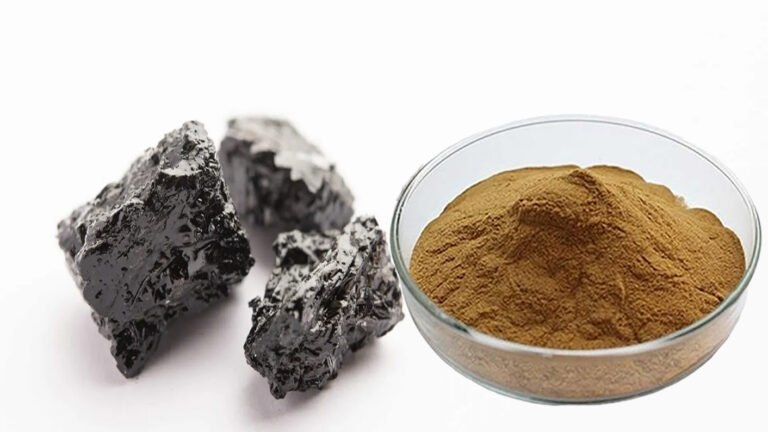
【Astaxanthin Microencapsulated Powder】
【Water Soluble Astaxanthin】
Oil Form: Advantages and Limitations
Astaxanthin oil is widely used in softgel capsules due to its high bioavailability.
Advantages:
•High absorption rate
•Ideal for capsule manufacturing
Limitations:
•Sensitive to oxidation
•Not suitable for beverages
Powder Form: Stability and Flexibility
Microencapsulated astaxanthin powder offers enhanced stability and is widely used in food applications.
Advantages:
•Heat and light resistance
•Easy to mix into powders
How to Choose the Right Format
•Softgel → Oil
•Functional food → Powder
•Beverage → Nanoemulsion
Further reading:
【Best Astaxanthin for Beverages】
【Astaxanthin Stability Guide】
Common Mistakes Buyers Make
Many buyers focus only on concentration but ignore formulation compatibility.
Not sure which format is right for your product?
👉 Contact us now for tailored recommendations, COA, and samples.
Astaxanthin Oil vs Powder: Which One Is Better for Your Product Development? (FAQ)
1. What is the difference between astaxanthin oil and powder?
Answer:
Astaxanthin oil is a lipid-based extract, typically dissolved in carrier oils such as MCT or vegetable oil. It offers excellent bioavailability and is commonly used in softgel capsules and oil-based formulations.
Astaxanthin powder, on the other hand, is usually produced via microencapsulation technology. It converts the oil into a stable, free-flowing powder with improved dispersibility and compatibility for solid or water-based applications.
Key difference:
- Oil = higher absorption, lipid-based delivery
- Powder = better stability, broader formulation flexibility
2. Which form has better bioavailability?
Answer:
Astaxanthin oil generally provides higher bioavailability because astaxanthin is a fat-soluble carotenoid. When delivered in oil form, it is more efficiently absorbed in the human body.
However, advanced microencapsulation technologies used in powder can significantly improve dispersion and partially enhance absorption, making it suitable for functional foods and beverages.
3. Which is more stable: oil or powder?
Answer:
Astaxanthin powder is typically more stable than oil.
- Oil form: sensitive to heat, light, and oxidation
- Powder form: protected by encapsulation (better shelf life)
For products requiring long shelf life or harsh processing conditions (e.g., tablets, sachets), powder is usually the better choice.
4. Which form is better for different applications?
Answer:
Astaxanthin Oil is ideal for:
- Softgel capsules
- Liquid supplements
- Oil-based functional foods
- High-end nutraceuticals
Astaxanthin Powder is ideal for:
- Tablets and capsules (hard shell)
- Functional beverages
- Solid drinks / sachets
- Cosmetics and skincare formulations
5. Can astaxanthin powder be used in beverages?
Answer:
Yes — but only if it is water-dispersible or cold-water soluble powder.
Standard powder may not dissolve well. High-quality microencapsulated astaxanthin powder is specifically designed for:
- RTD beverages
- Powder drink mixes
- Functional nutrition products
6. Which form is better for cosmetic formulations?
Answer:
It depends on the formulation type:
- Oil-based skincare (serums, oils): astaxanthin oil
- Creams, lotions, masks: astaxanthin powder (encapsulated)
Powder offers better formulation flexibility and color stability in emulsions.
7. Is there a difference in cost between oil and powder?
Answer:
Yes.
- Astaxanthin oil is generally more cost-efficient per active content
- Astaxanthin powder is higher cost due to encapsulation technology
However, powder can reduce formulation complexity and improve stability, which may lower overall production cost.
8. Which one should I choose for my product development?
Answer:
There is no single “better” option — the choice depends on your product goals:
| Product Type | Recommended Form |
|---|---|
| Softgel supplement | Oil |
| Tablets / capsules | Powder |
| Functional beverage | Powder (water-dispersible) |
| Liquid supplement | Oil |
| Skincare | Oil or Powder (depending on formula) |
In short:
- Choose oil for absorption and lipid systems
- Choose powder for versatility and stability
9. Can you supply both forms for OEM/ODM projects?
Answer:
Yes, we provide both natural astaxanthin oil and microencapsulated powder with customizable specifications, including:
- Different concentrations (e.g., 2%, 5%, 10%)
- Water-dispersible powder options
- Bulk supply for global B2B clients
- OEM/ODM support for supplements and cosmetics