
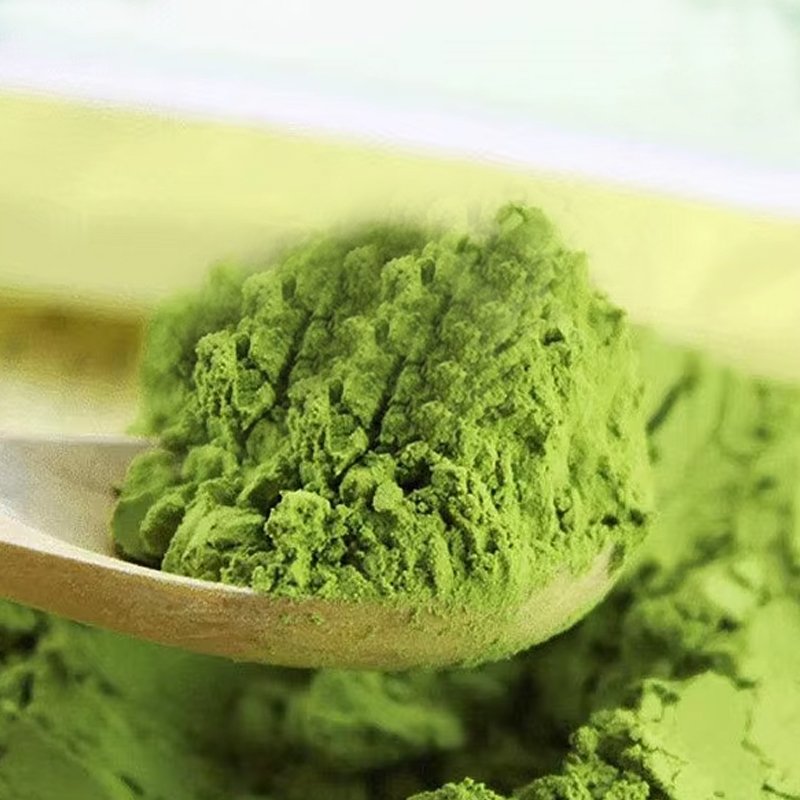
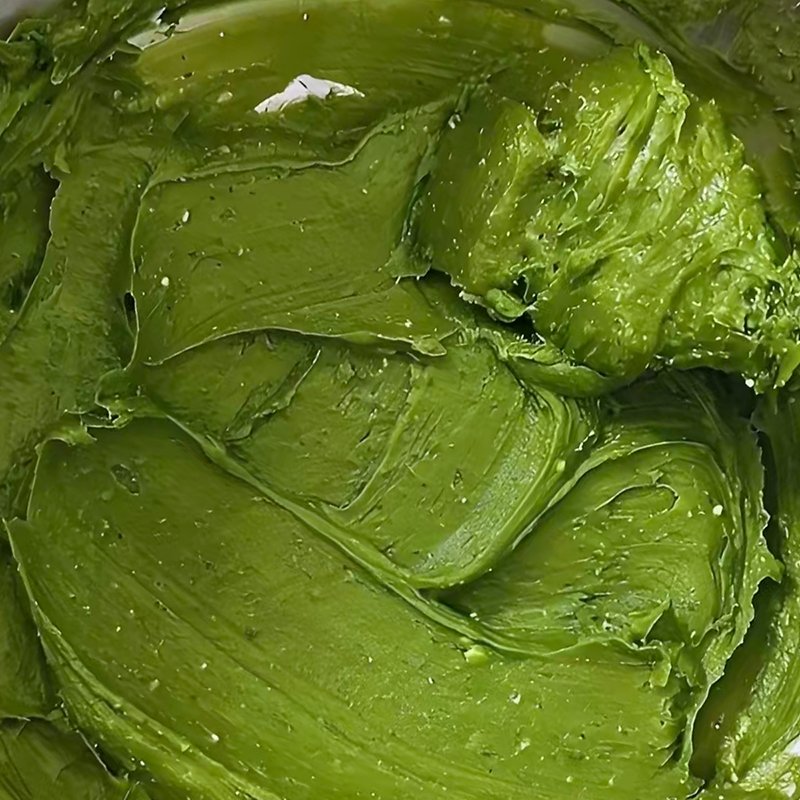
EU Standard & Organic Matcha Powder for Global B2B Supply
Our EU Standard & Organic Matcha is produced from carefully selected tea leaves grown in high-altitude mountain regions (500–800 meters), where a distinct vertical climate with day–night temperature differences exceeding 10°C allows tea plants to grow slowly and accumulate abundant nutrients such as amino acids, tea polyphenols, and chlorophyll.
The tea leaves are derived from the Japanese Yabukita cultivar, cultivated and produced in China under strict agricultural management. This globally recognized cultivar is widely regarded as the optimal variety for premium matcha. Laboratory analysis confirms a tea polyphenol content of up to 25.8% and a total amino acid content of 3.3%, providing a strong foundation for vivid green color, pronounced umami taste, and high antioxidant activity.
Shaded cultivation techniques are applied prior to harvest to enhance chlorophyll and L-theanine levels. The leaves are processed using non-rolling methods and low-temperature steam fixation, followed by ultra-fine grinding to over 800 mesh, resulting in a smooth, vibrant green powder with excellent suspension and solubility.
Rich in more than 30 essential nutrients and trace elements—including L-theanine, catechins, flavonoids, chlorophyll, vitamins, SOD, and dietary fiber—our matcha is suitable for beverages, functional foods, dietary supplements, and health-oriented formulations. OEM and customized specifications are available to meet diverse global B2B requirements.
EU Standard & Organic Matcha Powder for Global B2B Supply
Organic EU Standard Matcha Powder Manufacturer & OEM
Description
1. Premium Origin & Sustainable Cultivation
1. Tea Origin & Cultivar Advantage
Our matcha is sourced from a core tea-growing zone located in mountainous regions at elevations of 500–800 meters, where clean air, fertile soil, and large day–night temperature variations create ideal conditions for high-quality tea cultivation. The extended growth cycle allows tea leaves to accumulate higher levels of amino acids, tea polyphenols, and chlorophyll, forming the nutritional basis for premium matcha.
The tea variety used is the Japanese Yabukita cultivar, cultivated and produced in China. Yabukita is internationally recognized for its exceptional balance of yield, flavor, and nutritional composition, and is especially well-suited for shaded cultivation required in matcha production. Independent laboratory testing shows a tea polyphenol content of 25.8% and an amino acid content of 3.3%, contributing to strong umami flavor, natural sweetness, and excellent antioxidant performance.
Green cultivation practices are strictly implemented, including organic fertilizer substitution, biological pest control, and intelligent tea garden management systems. Real-time monitoring of soil moisture, temperature, and humidity enables precision farming while ensuring environmental sustainability.
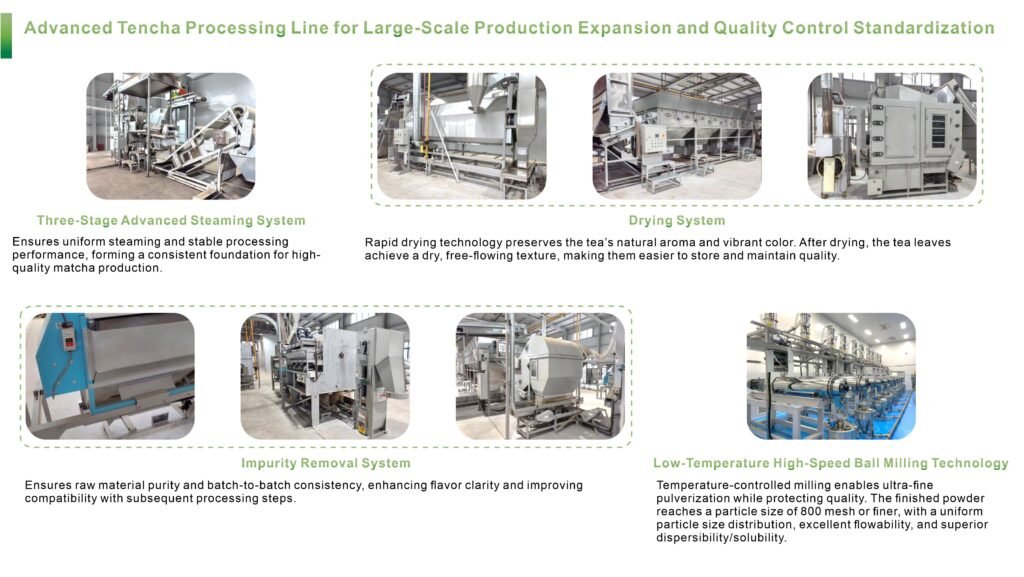
2. Advanced Processing Technology (From Leaf to Powder)
Primary Processing
1.Shading & Harvesting – Pre-harvest shading improves leaf tenderness and nutrient density.
2.Withering Activation – Promotes internal biochemical transformation and flavor development.
3.Steam Fixation – Three-stage steam fixation rapidly deactivates enzymes, locking in chlorophyll, tea polyphenols, and amino acids.
4.Air Cooling – Prevents overheating and preserves fresh aroma.
5.Initial Drying – Reduces moisture for stable processing.
6.Stem & Impurity Removal – Ensures raw material purity.
7.Final Drying & Aroma Enhancement – Intensifies fragrance and stability.
8.Optical Color Sorting – Guarantees uniform color quality.
9.Pre-grinding – Prepares leaves for refining.
Refining Process
1.Sterilization – Ensures microbial safety.
2.Batch Blending – Maintains flavor consistency.
3.Ultra-fine Grinding – Low-temperature ball milling achieves ≥800 mesh fineness.
4.Sieving – Removes coarse particles.
5.Metal Detection – Eliminates metal contamination risks.
6.Precision Packaging – Customized specifications available.
7.Weight Verification – Accurate dosing control.
8.X-ray Inspection – Detects foreign objects.
9.Labeling & Storage – Traceable batch management.
3. Key Technical Advantages
●Non-kneading process: Preserves natural cell structure and nutrients
●Low-temperature ultra-fine milling: Prevents oxidation and heat damage
●800+ mesh particle size: Fine, fluffy texture with excellent suspension
●Full-leaf consumption: Higher nutrient absorption compared to green tea powder
4. Sensory & Nutritional Profile
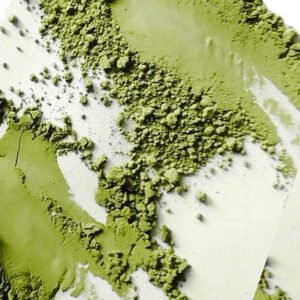
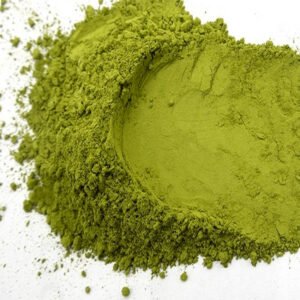
Appearance: Bright emerald green
Aroma: Shaded aroma with rich seaweed (umami) notes
Taste: Smooth, mellow, clean umami with long-lasting sweetness
Key Nutritional Indicators:
●L-Theanine: 1–3%
●Chlorophyll: 7–10 mg/g
●Tea Polyphenols: High and stable
●More than 30 essential nutrients and trace elements, including flavonoids, vitamins, fiber, proteins, SOD, and minerals
One cup of matcha delivers nutritional value equivalent to 30 cups of traditional green tea.
5. Functional Benefits (Application-Oriented)
●Antioxidant Support – Polyphenols, flavonoids, and SOD work synergistically to combat oxidative stress
●Blood Lipid Regulation – Supports cardiovascular health by improving lipid metabolism
●Digestive Support – Natural alkaline properties aid digestion and gut balance
●Mental Focus & Energy – Balanced caffeine and L-theanine provide calm alertness
●Immune Support – Enhances immune cell activity and anti-inflammatory response
6. Matcha vs. Conventional Green Tea Powder
| Aspect | Our Matcha | Regular Green Tea Powder |
| Cultivation | Shaded, selected cultivars | No shading |
| Processing | Steam-fixed, non-kneaded | Kneaded, mechanically crushed |
| Particle Size | ≥800 mesh | 40–200 mesh |
| Solubility | Excellent suspension | Clumping, rapid sediment |
| Color | Bright green | Yellowish, dull |
| Flavor | Umami, seaweed aroma | Bitter, coarse |
| Nutrient Absorption | Full-leaf intake | Poor absorption |
👉• 【EU Organic & Premium Matcha Powder 】
👉• 【First Grade Matcha Powder】
👉• 【Second Grade Matcha Powder 】
👉• 【Baking Grade Matcha Powder 】
7. Quality Control & Certifications
●FSSC22000 Food Safety System
●ISO9001 Quality Management
●ISO22000 Food Safety Management
●HACCP Hazard Analysis System
Each batch undergoes multi-parameter testing for pesticide residues, heavy metals, and microbiological safety using GC-MS, LC-MS, and HPLC systems, ensuring full compliance with EU and international standards.

8. Applications & OEM Services
Application Areas:
●Matcha beverages & tea drinks
●Functional foods & nutrition products
●Dietary supplements & health foods
●Baking, confectionery, and plant-based products
OEM/ODM Services:
●Custom particle size
●Customized nutrient profiles
●Private labeling & packaging
●Bulk supply for global brands
EU Standard & Organic Matcha Powder – FAQ
FAQ 1. What makes your EU & Organic Matcha different from conventional matcha?
Our EU & Organic Matcha is produced from shade-grown Yabukita cultivar tea plants, cultivated in high-altitude regions with large day–night temperature differences.
Compared with conventional matcha, it offers:
•Higher amino acid content (up to 3.3%)
•Rich umami and nori aroma
•Brighter emerald green color
•Cleaner taste with long, smooth aftertaste
It is designed for premium drinking and high-end beverage applications.
FAQ 2. Is this matcha certified organic and compliant with EU standards?
Yes. This product is produced under organic cultivation systems and complies with EU food safety and organic requirements.
Each batch undergoes multi-residue pesticide and heavy metal testing, aligned with international standards.
Organic certificates and full documentation are available upon request.
FAQ 3. What applications is EU & Organic Matcha best suited for?
This grade is ideal for:
•Pure matcha drinking
•Specialty tea and ceremonial-style beverages
•Premium tea drinks and clean-label products
Its delicate flavor and high amino acid content make it less suitable for high-heat baking.
FAQ 4. Why is shade-growing critical for premium organic matcha?
Shade-growing increases L-theanine and chlorophyll while reducing bitterness.
This results in:
•Strong umami
•Reduced astringency
•Bright, stable green color
These characteristics are essential for high-end organic matcha positioning.
FAQ 5. Can this matcha be used in functional or wellness products?
Yes. Due to its whole-leaf nature and high nutrient density, it is suitable for:
•Functional beverages
•Wellness powders
•Oral beauty and antioxidant products
FAQ 6. Do you support samples for evaluation?
Yes. Samples are available for:
•Sensory evaluation
•Color and solubility testing
•Regulatory review

Reviews
There are no reviews yet.