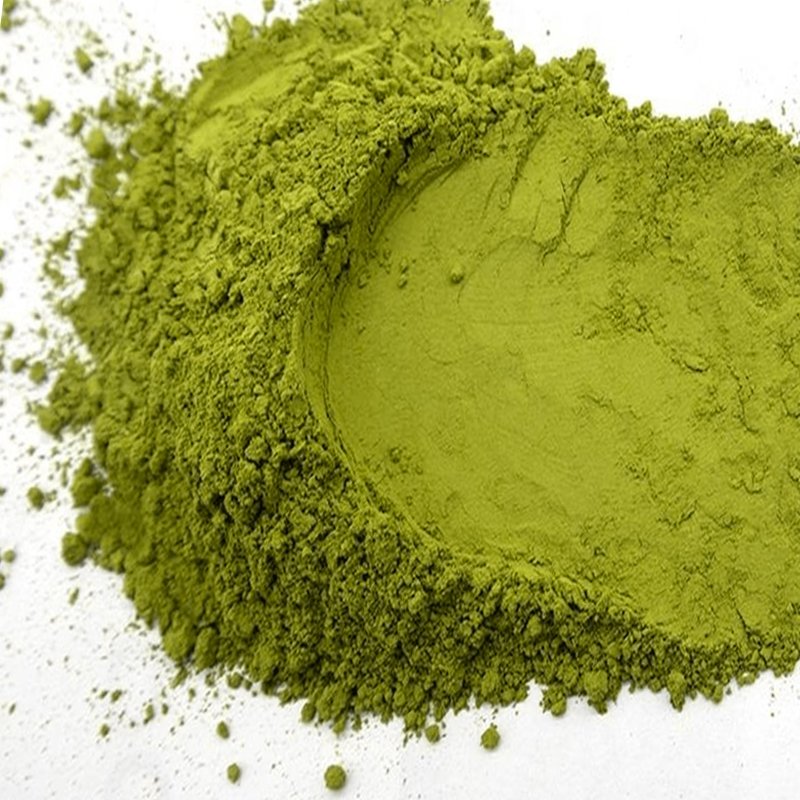
Matcha Ultra-Fine Milling Technology
Matcha Ultra-Fine Milling Technology Ultra-Fine Matcha Milling Technology: Particle Size, Solubility & Color Why Particle Size Defines Matcha Performance in Beverages & Food Systems In professional matcha applications, particle size is not a cosmetic detail—it is a functional parameter that directly affects suspension stability, mouthfeel, bioavailability, and formulation compatibility. Our matcha is processed using low-temperature…
Matcha Ultra-Fine Milling Technology
Ultra-Fine Matcha Milling Technology: Particle Size, Solubility & Color
Why Particle Size Defines Matcha Performance in Beverages & Food Systems
In professional matcha applications, particle size is not a cosmetic detail—it is a functional parameter that directly affects suspension stability, mouthfeel, bioavailability, and formulation compatibility.
Our matcha is processed using low-temperature continuous ball milling technology, achieving ≥800 mesh ultra-fine powder with narrow particle size distribution. This precision milling approach is a critical differentiator for both beverage-grade and industrial-grade matcha products.
This technology underpins the performance of First Grade Matcha, Second Grade Matcha, and Baking Grade Matcha.
1. Why 800+ Mesh Matters in Matcha Applications
Compared with conventional green tea powder (40–200 mesh), ultra-fine matcha offers:
●Uniform dispersion in liquid systems
●Reduced sedimentation during storage
●Smooth, creamy mouthfeel without graininess
This is especially important for RTD beverages, matcha lattes, protein blends, and functional drinks, where visual stability and texture consistency directly impact consumer acceptance.
2. Low-Temperature Ball Milling: Protecting Nutrients
Traditional high-friction grinding generates heat, which degrades:
●Chlorophyll (causing yellowing)
●L-theanine (reducing umami)
●Volatile aroma compounds
Our low-temperature, high-speed ball milling system controls heat generation, preserving:
●Bright green color
●Seaweed (nori) aroma
●High amino acid content
The result is matcha with both sensory excellence and nutritional integrity, essential for EU Organic & Premium Matcha Series.
3. Flowability & Solubility Advantages
Ultra-fine, uniform particles exhibit:
●Improved flowability during automated dosing
●Better compatibility with premix systems
●Faster hydration and suspension
These characteristics reduce processing issues for manufacturers producing powdered beverages, baking mixes, and nutrition products.
Second Grade Matcha Powder – FAQ
FAQ 1. What is Second Grade Matcha typically used for?
Second Grade Matcha is designed for:
•Functional beverages
•Health foods
•Confectionery
•Cocoa and chocolate products
It offers good flavor at a more competitive cost.
FAQ 2. How does the flavor profile differ from First Grade Matcha?
Compared with First Grade:
•Slightly higher bitterness
•Milder umami
•Lower amino acid content
However, the taste remains clean and smooth when blended with other ingredients.
FAQ 3. Is this grade suitable for functional food formulations?
Yes. It is commonly used in:
•Nutrition powders
•Meal replacement products
•Antioxidant functional foods
Its whole-leaf structure provides good bioavailability.
FAQ 4. Does Second Grade Matcha maintain color stability?
Yes. It maintains a stable green color in:
•Beverages
•Confectionery
•Blended food systems
FAQ 5. Is this grade heat resistant?
It tolerates moderate heat processing better than premium grades, making it suitable for mixed applications.
FAQ 6. Is this matcha suitable for export markets?
Yes. It meets international food safety standards and is widely exported.
Formulating beverages or foods where texture and suspension matter?
👉 Request particle size data and application testing samples.