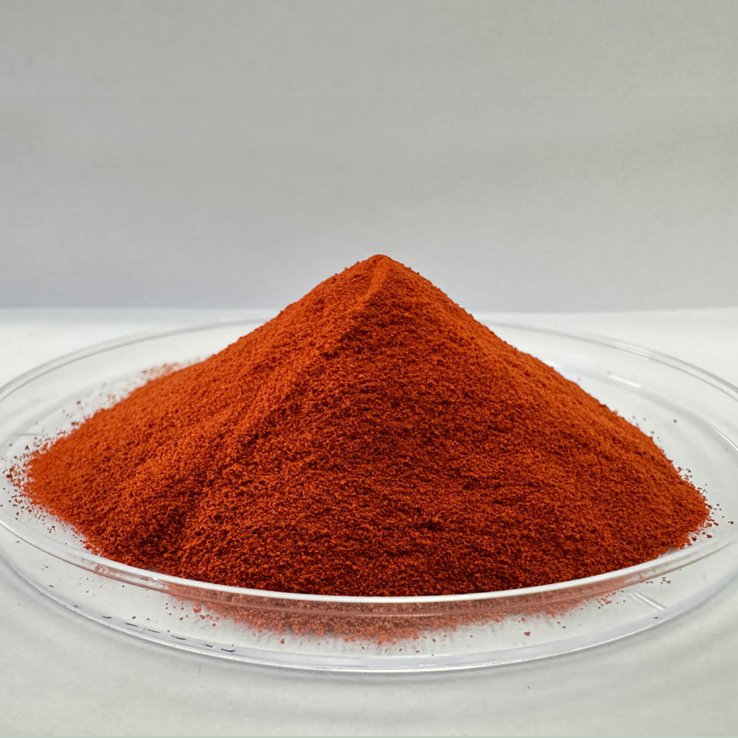
Natural Astaxanthin vs Synthetic: What Global Buyers Must Know Before Importing
Natural Astaxanthin vs Synthetic: What Global Buyers Must Know Before Importing Natural Astaxanthin vs Synthetic: Key Differences for Importers and B2B Buyers Natural astaxanthin has become the preferred choice in high-end markets due to regulatory pressure and consumer demand. Key Differences Natural astaxanthin is derived from microalgae, while synthetic astaxanthin is chemically produced. Explore products:…
Natural Astaxanthin vs Synthetic: What Global Buyers Must Know Before Importing
Natural Astaxanthin vs Synthetic: Key Differences for Importers and B2B Buyers
Natural astaxanthin has become the preferred choice in high-end markets due to regulatory pressure and consumer demand.
Key Differences
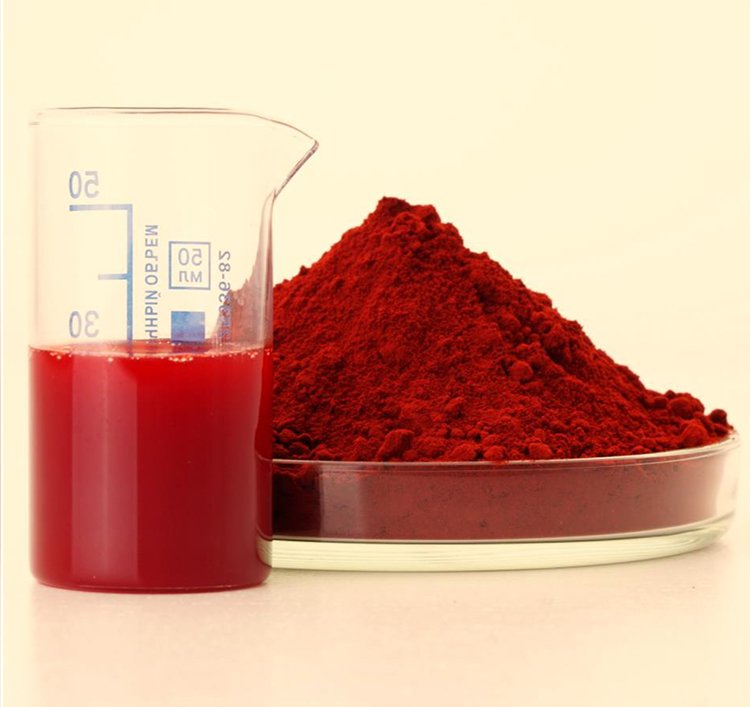
Natural astaxanthin is derived from microalgae, while synthetic astaxanthin is chemically produced.
Explore products:
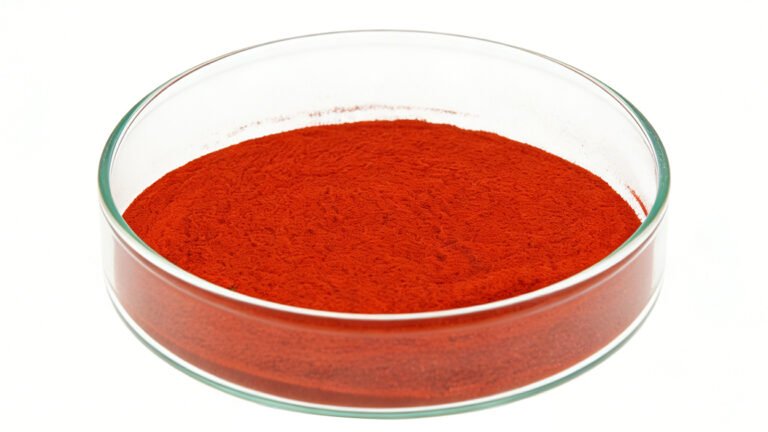
【Natural Astaxanthin Product Range】
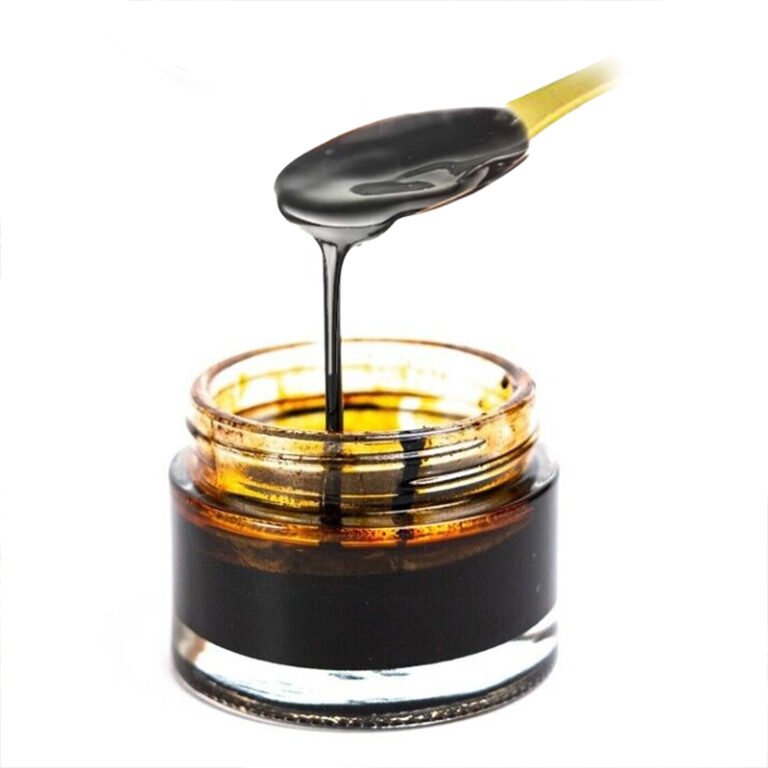
【Astaxanthin CO2 Extract Oil】
Why Natural Is Preferred
•Higher antioxidant activity
•Better safety profile
•Approved for human consumption
Market Trends
EU, USA, and Japan strongly favor natural astaxanthin.
Related:
【Astaxanthin Market Trends】
Buyer Tip
Always request COA and origin details.
Looking for certified natural astaxanthin? Contact us today.
Natural Astaxanthin vs Synthetic: FAQ for Global Buyers
1. What is the difference between natural and synthetic astaxanthin?
Answer:
Natural astaxanthin comes from Haematococcus pluvialis, while synthetic is chemically produced.
Natural = higher bioactivity & for human use
Synthetic = mainly for animal feed
2. Which one is allowed for supplements?
Answer:
👉 Only natural astaxanthin is widely approved for human consumption.
Synthetic is generally not allowed in dietary supplements.
3. Why is natural astaxanthin more expensive?
Answer:
Because it requires algae cultivation + extraction.
But it offers:
- Better absorption
- Stronger antioxidant effect
- “Natural” label (important for marketing)
4. Which one is better for product development?
Answer:
👉 For supplements, food, cosmetics → Natural only
👉 For fish feed → Synthetic
5. What are the import risks?
Answer:
Using synthetic astaxanthin for human products may cause:
- Customs rejection
- Regulatory issues
- Product recalls
6. How to verify natural astaxanthin?
Answer:
Check:
- Source: Haematococcus pluvialis
- COA & test report
- Supplier traceability
7. Final recommendation
Answer:
👉 If your product is for humans, choose natural astaxanthin.
It is the only safe and compliant option for global markets.