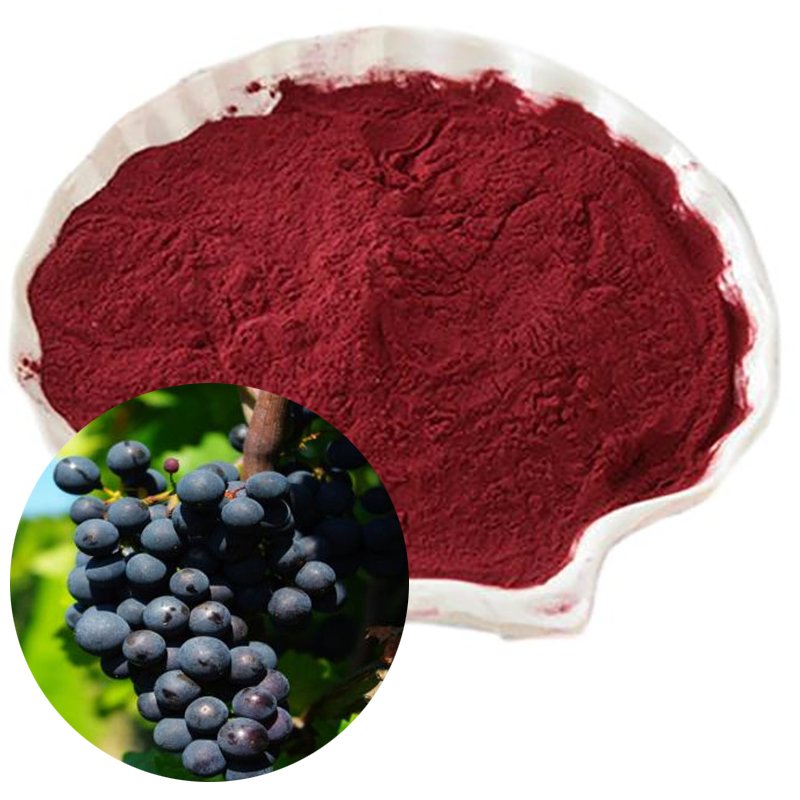
Grape Skin Red Color: Natural Anthocyanin Food Coloring for Beverages & Foods
Grape Skin Red Color: A Natural Anthocyanin Food Coloring for Modern Food Applications As global consumers increasingly demand natural, plant-based ingredients, food manufacturers are turning away from synthetic dyes and embracing natural alternatives. One such ingredient gaining strong attention is Grape Skin Red Color, a naturally derived anthocyanin food coloring extracted from grape skins. What…
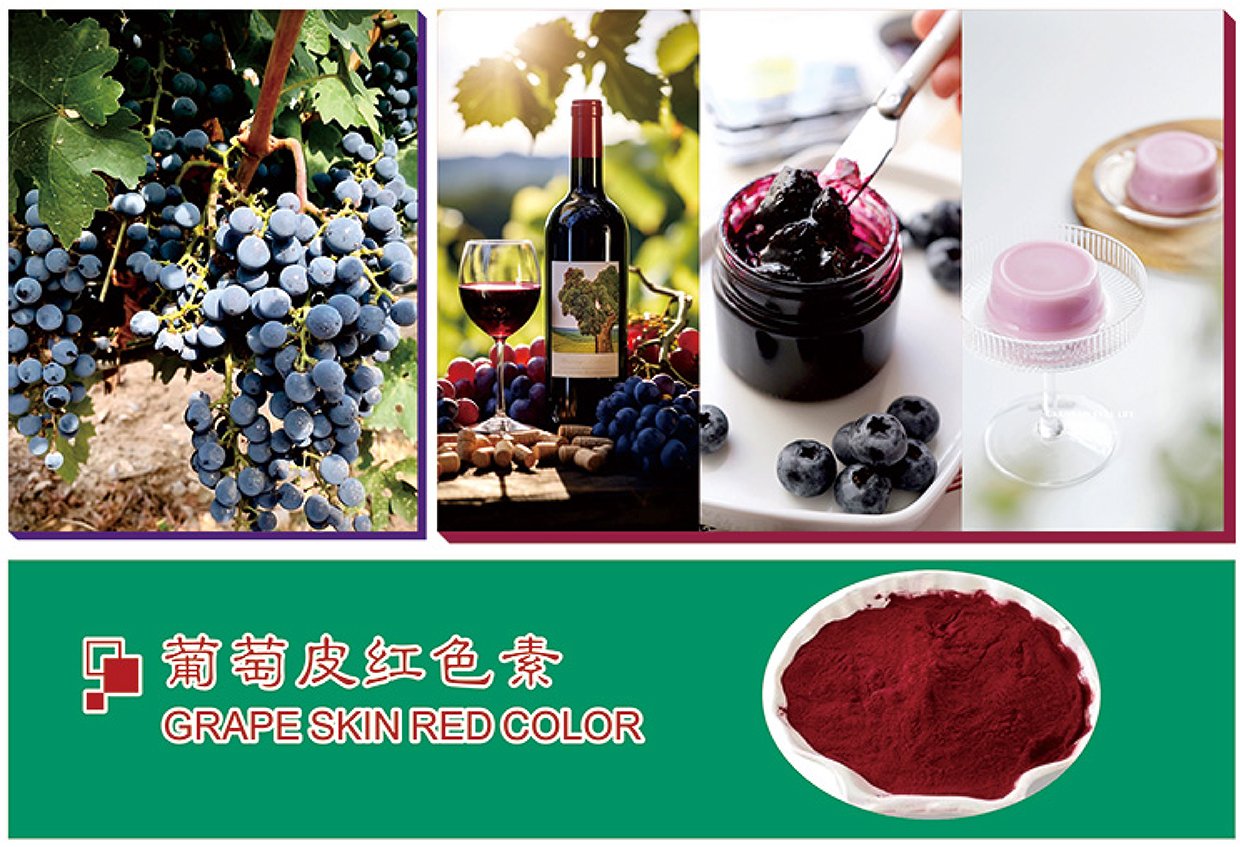
Grape Skin Red Color: A Natural Anthocyanin Food Coloring for Modern Food Applications
As global consumers increasingly demand natural, plant-based ingredients, food manufacturers are turning away from synthetic dyes and embracing natural alternatives. One such ingredient gaining strong attention is Grape Skin Red Color, a naturally derived anthocyanin food coloring extracted from grape skins.
What Is Grape Skin Red Color?
Grape Skin Red Color is a natural food pigment obtained from the skins of grapes through careful extraction processes. It belongs to the anthocyanin family, a group of natural pigments widely found in fruits and vegetables and known for their red, purple, and blue hues.
The main coloring components include mallotoxin, paeoniflorin, and other anthocyanins. In its finished form, the product appears as a dark purple powder, making it easy to handle, store, and formulate.
Key Characteristics of Grape Skin Red Natural Color
One of the most important features of grape skin red color is its pH-dependent color behavior:
-
Under acidic conditions, the color remains stable in red or purple-red tones
-
At neutral pH, the color gradually shifts toward blue
-
In alkaline environments, the pigment becomes unstable and may appear green
In terms of solubility, grape skin red color is:
-
Easily soluble in water and aqueous ethanol
-
Insoluble in grease and anhydrous ethanol
These properties make it especially suitable for acidic food and beverage systems.
Applications in the Food and Beverage Industry
Thanks to its natural origin and excellent performance in acidic formulations, grape skin red color is widely used in:
-
Acidic beverages and fruit drinks
-
Wines and fermented beverages
-
Jams, jellies, and fruit spreads
-
Confectionery and dessert products
-
Other food products requiring natural red or purple hues
It is particularly valued in products where clean-label positioning and natural sourcing are essential.
Why Anthocyanin Colors from Grape Skin Are in Demand
Anthocyanin-based food colors are not only visually appealing but also align with modern food trends:
-
Derived from natural plant sources
-
Help replace artificial food dyes
-
Support clean-label and transparent ingredient lists
-
Suitable for health-oriented and premium food products
Grape skin red color offers manufacturers a reliable way to achieve attractive color while maintaining natural authenticity.
Conclusion
Grape Skin Red Color is a versatile and effective natural anthocyanin food coloring designed for today’s food and beverage industry. With its strong performance in acidic systems, natural origin, and growing market acceptance, it has become a preferred choice for manufacturers seeking clean-label color solutions.
By incorporating grape skin red color into formulations, brands can enhance product appearance while meeting global consumer expectations for natural ingredients.
.hidden-seo {
position: absolute;
width: 1px;
height: 1px;
padding: 0;
margin: -1px;
overflow: hidden;
clip: rect(0, 0, 0, 0);
white-space: nowrap;
border: 0;
}