
Triglyceride Omega-3 Algal Oil Blend (EPA DHA ALA)
Triglyceride Omega-3 Algal Oil Blend (EPA DHA ALA)
Omega-3 TG Algae Oil Blend EPA DHA ALA
Triglyceride Omega-3 Algal Oil Blend is a next-generation plant-based omega-3 ingredient formulated through the physical blending of multiple microalgae oils to provide a balanced combination of EPA, DHA, and ALA. With a total omega-3 content of approximately 350–370 mg/g, this triglyceride-form (TG) omega-3 oil offers a comprehensive fatty acid profile suitable for daily nutritional supplementation and functional food applications.
Produced from sustainable microalgae cultivation systems, the oil is derived from the primary producers of omega-3 in the marine ecosystem. Microalgae naturally synthesize bioactive compounds including EPA, polar lipids, polysaccharides, and proteins through photosynthetic processes using sunlight and CO₂. This environmentally friendly production method eliminates reliance on marine fisheries while ensuring a consistent, high-purity, and contaminant-controlled omega-3 supply.
Unlike traditional fish oil sources, which may accumulate heavy metals and environmental pollutants through the marine food chain, microalgae-derived oils are produced in controlled environments, significantly reducing contamination risks. The triglyceride (TG) structure further enhances stability, oxidative resistance, and bioavailability, making it highly suitable for dietary supplements and functional nutrition products.
With flexible fatty acid ratios and customizable formulations, this omega-3 algal oil blend can be tailored to meet specific nutritional targets for supplement manufacturers, functional food developers, and pharmaceutical research applications. It is widely used in softgel capsules, nutritional powders, fortified foods, and daily health products supporting cardiovascular health, cognitive function, metabolic balance, and overall wellness.
Bulk supply and OEM customization are available for global nutraceutical, pharmaceutical, and functional food manufacturers.
Description
Triglyceride Omega-3 Algal Oil Blend (EPA DHA ALA)

1.Balanced Plant-Based Omega-3 Ingredient for Nutritional Applications
Omega-3 fatty acids are essential nutrients widely recognized for their benefits in cardiovascular health, cognitive development, immune function, and metabolic regulation. The most important omega-3 fatty acids for human health include eicosapentaenoic acid (EPA), docosahexaenoic acid (DHA), and alpha-linolenic acid (ALA).
Triglyceride Omega-3 Algal Oil Blend is developed to provide a balanced omega-3 profile by combining different microalgae oils through physical blending technology. The resulting oil delivers a comprehensive mixture of EPA, DHA, and ALA in triglyceride form, offering excellent nutritional value and formulation flexibility.
With a total omega-3 concentration of approximately 350–370 mg per gram, this blended algal oil provides an efficient and sustainable alternative to traditional marine omega-3 sources.
2.Sustainable Microalgae-Based Production
Microalgae are the primary producers of omega-3 fatty acids in marine ecosystems. Fish obtain omega-3 fatty acids by consuming microalgae or organisms that feed on them.
By cultivating microalgae directly, omega-3 oils can be produced without relying on marine harvesting.
Microalgae cultivation systems use photosynthetic autotrophic technology, where algae grow using sunlight, nutrients, and carbon dioxide.
This process enables the production of several valuable bioactive components:
• Omega-3 fatty acids such as EPA and DHA
• Polar lipids
• Polysaccharides
• Proteins and peptides
Because microalgae convert atmospheric carbon dioxide into nutritional compounds, this production system represents a highly sustainable and environmentally friendly approach to omega-3 manufacturing.
2.1Environmental Advantages
Compared with conventional omega-3 sources such as fish oil or krill oil, microalgae-derived omega-3 oils provide significant ecological benefits.
2.2Marine Resource Protection
Microalgae cultivation eliminates the need for fishing or krill harvesting, helping reduce pressure on marine ecosystems.
2.3Sustainable Carbon Utilization
Microalgae absorb carbon dioxide during photosynthesis, contributing to environmentally responsible production systems.
2.4Stable Supply Chain
Controlled cultivation ensures reliable year-round production independent of seasonal fishing or marine resource fluctuations.
3.Triglyceride Structure and Nutritional Benefits
Omega-3 fatty acids exist in different chemical forms, including triglycerides, phospholipids, and ethyl esters.
Triglyceride (TG) form is the natural structure of dietary fats and is widely used in nutritional supplements and food formulations.
Benefits of triglyceride omega-3 oils include:
• Natural lipid structure
• Good oxidative stability
• High compatibility with food systems
• Suitable for softgel capsule manufacturing
These characteristics make TG-form omega-3 oils ideal for large-scale nutraceutical and food applications.
4.Flexible Omega-3 Composition
The blended algal oil provides a balanced combination of multiple omega-3 fatty acids:
4.1EPA (Eicosapentaenoic Acid)
EPA is known for its role in supporting cardiovascular health, inflammation regulation, and metabolic balance.
4.2DHA (Docosahexaenoic Acid)
DHA is essential for brain development, cognitive function, and visual health.
4.3ALA (Alpha-Linolenic Acid)
ALA is a plant-derived omega-3 fatty acid that can serve as a precursor for other omega-3 metabolic pathways.
The presence of multiple omega-3 fatty acids allows this ingredient to support comprehensive nutritional formulations.
5.Customizable Omega-3 Ratios
One of the key advantages of this product is the ability to adjust fatty acid ratios according to application needs.
Different formulations may emphasize:
• EPA-rich blends for cardiovascular products
• DHA-rich blends for brain health supplements
• Balanced omega-3 blends for daily nutrition
Customized ratios can be developed for specific nutraceutical or functional food applications.
6.Health and Nutritional Applications
Omega-3 fatty acids play important roles in human health. Research has shown that adequate omega-3 intake may support:
6.1Cardiovascular Health
Omega-3 fatty acids contribute to maintaining healthy lipid metabolism and circulatory function.
6.2Brain and Cognitive Function
DHA plays a critical role in neuronal membrane structure and brain development.
6.3Metabolic Balance
Omega-3 fatty acids participate in lipid metabolism pathways and may support metabolic health.
6.4Immune and Inflammatory Regulation
EPA-derived lipid mediators contribute to regulating inflammatory processes in the body.
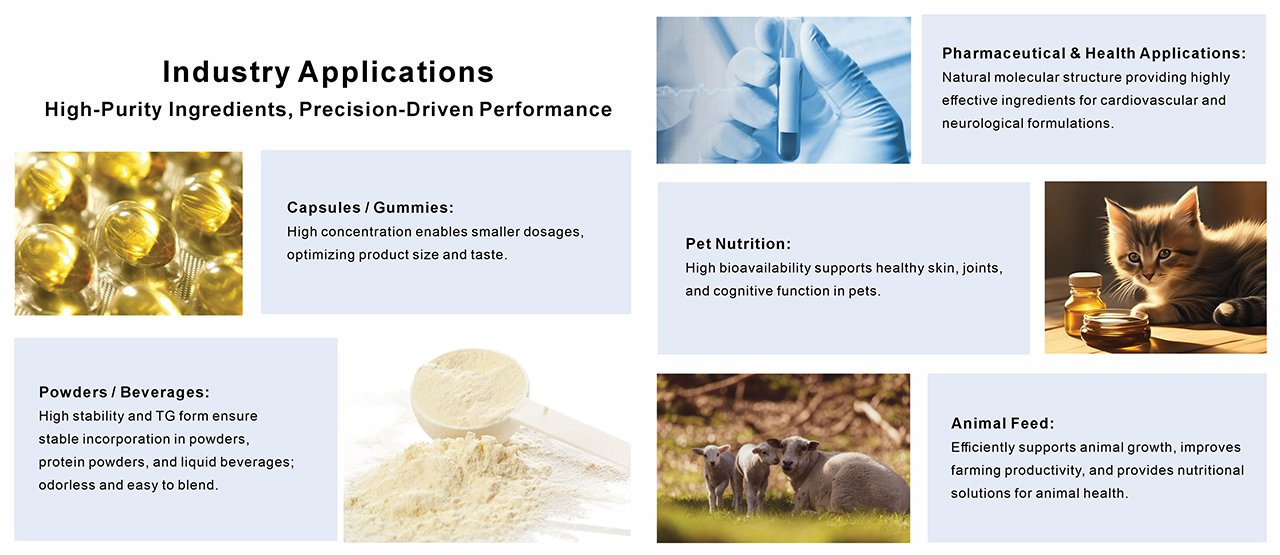
7.Application Industries
Triglyceride Omega-3 Algal Oil Blend is suitable for multiple industries.
7.1Nutraceutical Industry
• Omega-3 softgel capsules
• Daily nutrition supplements
• Multinutrient formulations
7.2Functional Food Industry
• Fortified beverages
• Nutritional powders
• Functional snacks
• Dairy alternatives
7.3Infant and Maternal Nutrition
• Prenatal supplements
• Infant nutrition ingredients
7.4Pharmaceutical and Medical Nutrition
• Clinical nutrition formulas
• Metabolic health research
8.Typical Product Specifications
Source:Microalgae-derived oils
Omega-3 Content:350–370 mg/g total omega-3
Fatty Acid Composition:EPA, DHA, ALA
Form:Triglyceride oil
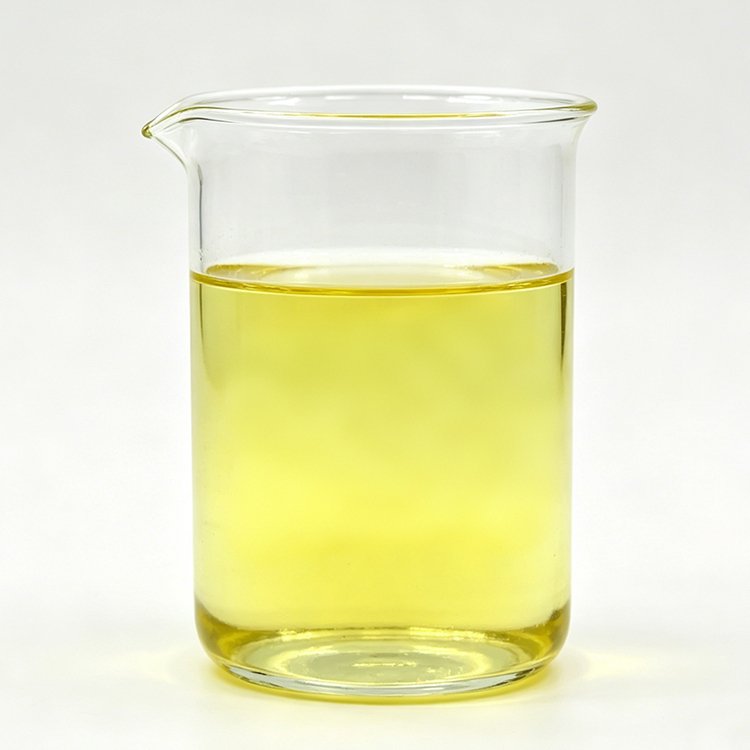
Appearance:Light yellow to golden oil
Applications:Dietary supplements, functional foods, nutritional formulations
9.Packaging Options
Standard industrial packaging:
• 1 kg aluminum bottles
• 5 kg containers
• 25 kg food-grade drums
Custom packaging available upon request.
10.OEM & Custom Manufacturing Services
OEM and ODM services are available for global manufacturers.
Customization options include:
• Omega-3 fatty acid ratio adjustment
• Microencapsulated powder forms
• Softgel formulation support
• Private label ingredient supply
Long-term bulk supply is available for nutraceutical brands, food manufacturers, and pharmaceutical companies.
FAQ – Multi-Source Omega-3 Blend (EPA, DHA & ALA)
1. What is the source of this omega-3 oil?
The oil is derived from cultivated microalgae and plant-based sources, blended to deliver a balanced omega-3 profile.
2. What omega-3 fatty acids are included?
The product contains EPA (eicosapentaenoic acid), DHA (docosahexaenoic acid), and ALA (alpha-linolenic acid), providing a comprehensive omega-3 spectrum.
3. What is the total omega-3 concentration?
The total omega-3 content is approximately 350–370 mg/g, ensuring high potency for formulation applications.
4. Is the product plant-based?
Yes. All omega-3 oils are derived from microalgae and plant sources, making it suitable for vegan and vegetarian formulations.
5. How does this differ from traditional fish oil?
Compared to fish oil, microalgae-based omega-3 avoids marine contaminants, contains no fish allergens, and offers a more sustainable and traceable production process.
6. Can the fatty acid ratios be customized?
Yes. EPA, DHA, and ALA ratios can be flexibly adjusted to meet specific formulation and regulatory requirements.
7. Which industries commonly use this ingredient?
This ingredient is widely used in the nutraceutical, functional food, pharmaceutical, and infant nutrition industries.
8. What product forms are available?
It is available as bulk oil or microencapsulated powder, providing high versatility for different applications.
9. Is OEM or ODM service available?
Yes. We support OEM and ODM services, including custom formulation, delivery formats, and packaging solutions.
10. Do you supply bulk quantities?
Yes. We offer bulk supply with scalable production capacity, supporting global industrial customers and long-term partnerships.




Reviews
There are no reviews yet.