
Recombinant Carboxypeptidase B (rCPB) GMP Enzyme for Insulin Purification & Bioprocessing
Recombinant Carboxypeptidase B (rCPB) GMP Enzyme for Insulin Purification & Bioprocessing
Recombinant Carboxypeptidase B GMP Grade Enzyme API Supplier
Our Recombinant Carboxypeptidase B (rCPB) represents a breakthrough in enzymatic biotechnology, offering pharmaceutical manufacturers a highly pure and efficient solution for precision protein processing. As a zinc-containing exopeptidase, rCPB specifically catalyzes the cleavage of C-terminal basic amino acids (arginine and lysine), making it indispensable in the production of recombinant insulin and other therapeutic proteins. Through advanced recombinant DNA technology, we have engineered a superior enzyme with exceptional catalytic efficiency, thermal stability, and lot-to-lot consistency that far exceeds traditional pancreatic extracts.
Manufactured under stringent cGMP conditions with comprehensive international certifications including ISO 9001, ISO 22000, HACCP, HALAL, GMPC, and U.S. GRAS recognition, our rCPB guarantees exceptional purity (>98% by HPLC), minimal protease contamination, and reliable performance in critical bioprocessing applications. The recombinant production method eliminates risks associated with animal-derived enzymes, ensuring superior safety profiles and compliance with evolving regulatory requirements for biopharmaceutical manufacturing. Each batch undergoes rigorous characterization including mass spectrometry, peptide mapping, and functional activity assays to verify structural integrity and biological performance.
The global insulin market continues to expand rapidly, driving increased demand for high-quality processing enzymes that can improve yields, reduce production costs, and ensure final product quality. Our rCPB is specifically optimized for the conversion of proinsulin to insulin, efficiently removing C-terminal basic residues with remarkable specificity and speed. Beyond insulin manufacturing, this versatile enzyme finds applications in protein sequencing, peptide mapping, and the production of various biotherapeutics requiring C-terminal modification. With flexible packaging options and comprehensive technical support, we provide pharmaceutical partners with the reliable enzyme solutions needed to advance their bioprocessing capabilities and maintain competitive advantage in global markets.
Description
Product Name: Recombinant Carboxypeptidase B (rCPB) API
Molecular Weight Range: 35-45 kDa (monomer, varies with glycosylation)
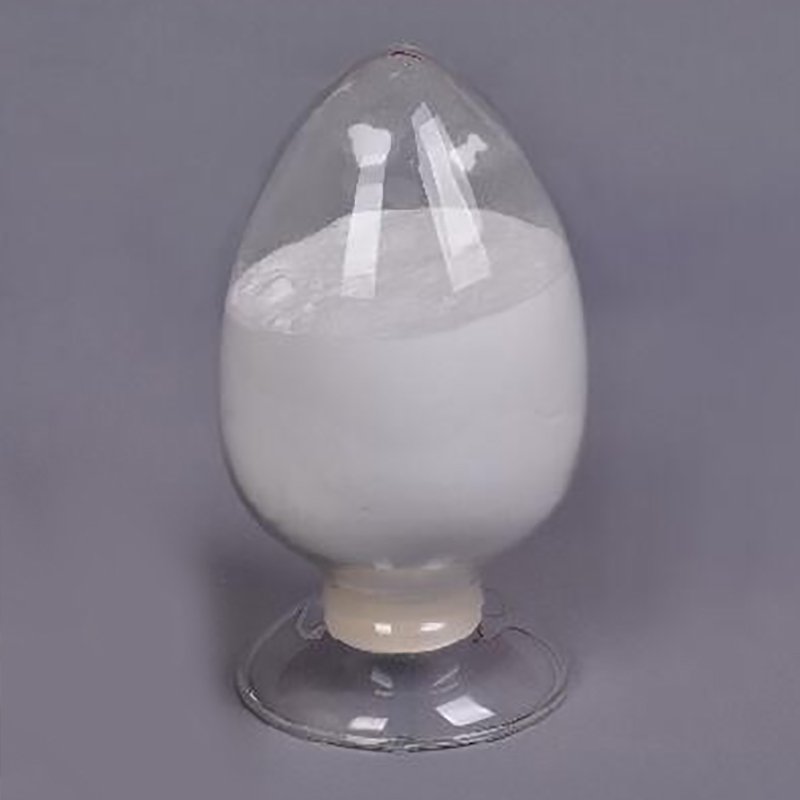
Appearance: Clear to slightly opalescent liquid solution or lyophilized powder
Functions:
1.Insulin Purification: Essential for specific cleavage of C-terminal arginine and lysine residues during proinsulin-to-insulin conversion
2.Protein Processing: Enables precise C-terminal modification of therapeutic proteins and peptides
3.Peptide Mapping: Facilitates protein structural analysis through specific C-terminal digestion
4.Biocatalysis: Serves as specialized catalyst for peptide bond hydrolysis in basic amino acid residues
5.Process Optimization: Enhances manufacturing efficiency through improved reaction kinetics and specificity
6.Quality Improvement: Redizes product-related impurities in final biopharmaceutical formulations
Molecular Formula: Protein (amino acid sequence based on recombinant expression system)
Molecular Weight: Approximately 35.8 kDa (theoretical based on amino acid sequence)
Our Product Superiority: Why Choose Us?
1. Superior Recombinant Technology Platform:
Our rCPB is produced using proprietary recombinant expression systems that deliver consistently high yields and exceptional purity. Unlike animal-derived alternatives, our recombinant approach ensures complete traceability, eliminates viral contamination risks, and provides homogeneous enzyme preparations with minimal lot-to-lot variation. Advanced purification technologies including affinity chromatography and ion-exchange steps guarantee removal of host cell proteins and process-related impurities.
2. Enhanced Enzymatic Performance Characteristics:
Through protein engineering and process optimization, we have developed an rCPB with superior functional attributes:
Specific Activity: ≥150 U/mg (towards Hippuryl-Arg substrate)
Optimal pH Range: 7.5-9.0
Temperature Stability: Maintains activity after incubation at 25°C for 24 hours
Metal Ion Dependence: Zinc-activated with optimized co-factor requirements
Kinetic Parameters: Km <0.1 mM for basic amino acid substrates
3. Comprehensive Global Regulatory Compliance:
We maintain the highest standards of manufacturing excellence with ISO 9001, ISO 22000, HACCP, HALAL, GMPC, and U.S. GRAS certifications. Our facility operates under pharmaceutical cGMP guidelines with complete documentation traceability from cell bank to final product. This comprehensive quality framework ensures compliance with FDA, EMA, and other major regulatory authorities’ requirements for biopharmaceutical manufacturing.
4. Technical Expertise and Customized Solutions:
Our team of enzyme specialists provides comprehensive technical support including:
4.1Process optimization and scale-up assistance
4.2Custom formulation development
4.3Analytical method development and validation
4.4Regulatory documentation support
4.5Application-specific performance testing
5. Supply Chain Reliability and Manufacturing Scalability:
With state-of-the-art fermentation capabilities and flexible manufacturing platforms, we ensure reliable supply for all development phases from clinical trials to commercial production. Our robust quality management system and validated supply chain provide assurance of consistent product quality and on-time delivery for critical manufacturing processes.
Packaging & Storage
Packaging Options:
• Liquid formulation: 1 mL, 5 mL, 10 mL vials (10-20 mg/mL in appropriate buffer)
• Lyophilized powder: 1 mg, 5 mg, 10 mg, 100 mg vials
• Custom packaging available for bulk requirements
Storage Conditions:
• Liquid formulations: Store at -20°C ± 5°C; avoid repeated freeze-thaw cycles
• Lyophilized powder: Store at -20°C ± 5°C in dry conditions
• Working solutions: Stable for 24 hours at 2-8°C in appropriate buffers
Handling Instructions:
1.Maintain strict temperature control during storage and transportation
2.Thaw frozen solutions gradually at 2-8°C when required
3.Use sterile techniques when handling enzyme solutions
4.Prepare working solutions under controlled conditions
5.Monitor enzyme activity during manufacturing processes
6.Follow aseptic processing guidelines for pharmaceutical applications
Recombinant Carboxypeptidase B (rCPB) FAQ
1. What is Recombinant Carboxypeptidase B (rCPB) and its primary function?
Answer:
Recombinant Carboxypeptidase B (rCPB) is a zinc-containing exopeptidase that specifically cleaves C-terminal basic amino acids, such as arginine and lysine. It is widely used in the production of recombinant insulin and other therapeutic proteins, as well as protein sequencing, peptide mapping, and biotherapeutic processing.
2. How does rCPB differ from traditional pancreatic enzymes?
Answer:
Unlike animal-derived enzymes, our rCPB is produced via recombinant DNA technology, offering superior catalytic efficiency, thermal stability, lot-to-lot consistency, and safety. It eliminates risks of contamination with pathogens or impurities associated with animal extracts.
3. What is the purity and quality of your rCPB?
Answer:
Our rCPB has exceptional purity (>98% by HPLC), minimal protease contamination, and consistent enzymatic activity. Each batch undergoes mass spectrometry, peptide mapping, and functional activity assays to ensure structural integrity and biological performance.
4. What certifications and standards does rCPB comply with?
Answer:
Our rCPB is manufactured under cGMP conditions and meets international standards, including:
-
ISO 9001 & ISO 22000
-
HACCP & HALAL certifications
-
GMPC compliance
-
U.S. GRAS recognition
These certifications ensure safety, quality, and regulatory compliance for pharmaceutical manufacturing.
5. What are the main applications of rCPB?
Answer:
rCPB is optimized for:
-
Converting proinsulin to insulin by cleaving C-terminal basic residues
-
Protein sequencing and peptide mapping
-
Processing other therapeutic proteins requiring precise C-terminal modification
It is widely used in pharmaceutical and biotech R&D and commercial manufacturing.
6. Can rCPB improve production efficiency in insulin manufacturing?
Answer:
Yes. Our rCPB provides high specificity and rapid cleavage of C-terminal basic residues, improving insulin yield, reducing production costs, and ensuring high-quality final products. Its thermal stability and lot-to-lot consistency make it ideal for large-scale production.
7. How is rCPB supplied and packaged?
Answer:
We provide rCPB in flexible packaging options tailored for research, pilot, and commercial-scale production. Packaging ensures enzyme stability and integrity during storage and transport.
8. Is technical support available for using rCPB in bioprocessing?
Answer:
Yes. Our technical team offers comprehensive support, including protocol guidance, optimization tips, and troubleshooting assistance to help pharmaceutical manufacturers maximize enzyme performance and production efficiency.
9. Why choose your rCPB over other enzymes?
Answer:
Our rCPB combines high purity, superior catalytic efficiency, thermal stability, and recombinant safety, making it a reliable choice for pharmaceutical manufacturers. It supports regulatory compliance, consistent bioprocessing performance, and scalable applications for global insulin and therapeutic protein markets.
Reviews
There are no reviews yet.