
Coated DHA Feed Granules ≥5% for Ruminant Nutrition
Coated DHA Feed Granules ≥5% for Ruminant Nutrition
Coated DHA Feed Granules ≥5% for Ruminant Nutrition
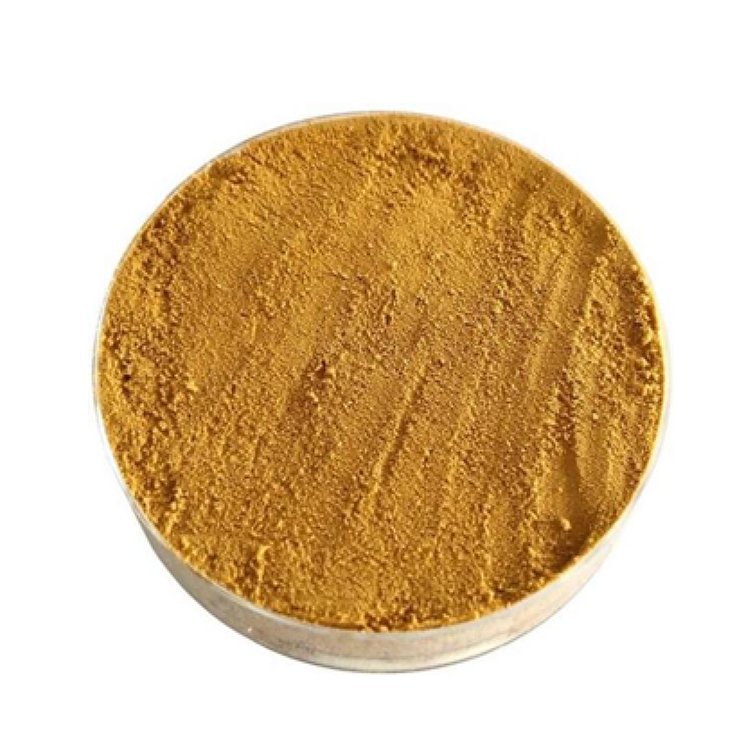
Coated DHA Feed Granules are a functional feed additive containing ≥5% Docosahexaenoic Acid (DHA) derived from Schizochytrium sp. microalgae through microbial fermentation technology. The product is manufactured using glucose and yeast extract fermentation, followed by biomass separation, spray drying, and carrier coating, forming stable DHA-enriched granules.
The advanced coating technology provides protection during feed processing and digestion, enabling DHA to bypass rumen degradation and improve bioavailability in ruminants. It is specifically designed for dairy cattle, dairy goats, and other ruminant livestock.
Supplementation with coated DHA granules supports:
- Milk DHA enrichment
- Improved reproductive performance
- Enhanced immune function
- Better stress resistance
The product allows producers to increase DHA levels in milk, meat, and dairy products while maintaining good feed palatability and minimizing unwanted flavor impact.
Coated DHA Feed Granules are widely used by:
- Animal feed manufacturers
- Dairy farms
- Livestock producers
- Feed additive distributors
Custom packaging and OEM services are available for global B2B partners, providing flexible and scalable nutrition solutions.
Description

1.Coated DHA Feed Granules from Schizochytrium
Coated DHA Feed Granules are a specialized omega-3 feed additive designed for ruminant nutrition. The product contains ≥5% Docosahexaenoic Acid (DHA) and is produced from the marine microalgae Schizochytrium sp. using controlled microbial fermentation technology.
DHA is an important long-chain omega-3 fatty acid widely recognized for its role in animal development, immune regulation, reproductive performance, and product quality. In livestock production, DHA supplementation helps improve the nutritional value of animal-derived foods such as milk and meat.
Because ruminant digestion involves microbial fermentation in the rumen, direct supplementation of oils or unprotected fatty acids can result in degradation before absorption. To address this challenge, the DHA in this product is processed into coated granules, allowing more efficient delivery and utilization in ruminant animals.
The coating process enhances the stability of DHA during feed processing and digestion, making the product suitable for large-scale feed manufacturing and livestock nutrition programs.
2.Production Process
Coated DHA Feed Granules are produced through a multi-step biotechnology and feed processing system.
2.1 Microbial Fermentation
The production begins with selected Schizochytrium sp. strains cultivated in controlled fermentation systems. Glucose and yeast extract are used as key substrates to support microbial growth and DHA accumulation.
During fermentation, the microalgae produce lipids rich in DHA.
2.2Biomass Separation
After fermentation, the microbial biomass is separated and processed to obtain DHA-rich raw materials.
2.3Spray Drying
The processed material is spray-dried to form a stable powder containing DHA and other naturally occurring components from the fermentation process.
2.4Carrier Coating and Granulation
The dried DHA-rich material is combined with suitable carriers and processed into coated granules. The coating technology helps protect DHA during feed storage, handling, and digestion.
This production method ensures consistent quality, good stability, and suitability for industrial feed applications.
3.Key Applications
Ruminant Nutrition
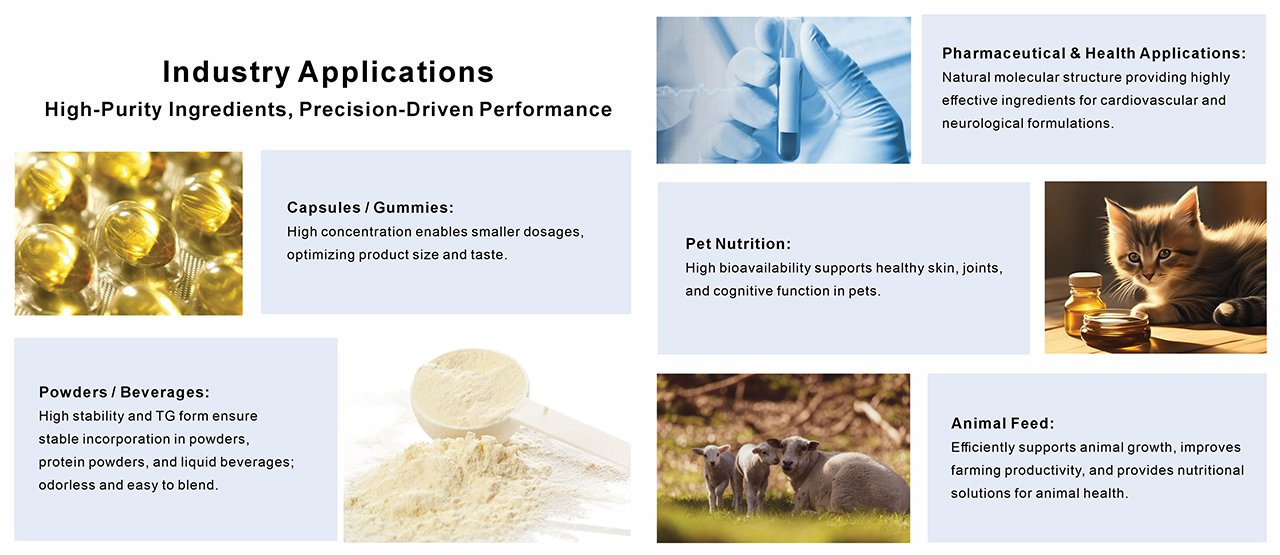
Coated DHA Feed Granules are specifically developed for ruminant livestock production, including dairy cattle and dairy goats.
The product is commonly used as a functional feed additive in ruminant feed formulations.
3.1Dairy Production Enhancement
When added to the feed of dairy cows and dairy goats, coated DHA granules can help enrich milk with DHA.
Benefits include:
•Increased DHA concentration in milk
•Production of high-value DHA-enriched dairy products
•Improved nutritional profile of milk and dairy products
This allows dairy producers to meet the growing market demand for functional dairy products enriched with omega-3 fatty acids.
3.2 Improvement of Milk Quality and Flavor Balance
Adding coated DHA to dairy feed helps balance the nutritional enrichment process.
The product can support milk enrichment while helping reduce negative effects sometimes associated with external oil supplementation, such as undesirable flavor changes or increased feed costs.
Through controlled supplementation, producers can achieve improved nutritional value while maintaining acceptable milk taste and quality.
3.3Meat Quality Improvement
DHA supplementation in ruminant feed can also influence the nutritional quality of meat.
When coated DHA granules are incorporated into cattle and sheep feed formulations, DHA can contribute to:
•Improved meat nutritional profile
•Enhanced meat quality
•Better flavor characteristics
These benefits support the production of higher-value livestock products.
3.4Improvement of Physiological Functions
Supplementing ruminant diets with DHA may help support several physiological functions in livestock.
Potential benefits include:
•Improved reproductive performance
•Increased offspring survival rate
•Enhanced immune response
•Greater resistance to disease
•Better tolerance to environmental stress
These benefits contribute to improved productivity and overall livestock management outcomes.
4.Product Specifications
Product Name: Coated DHA Feed Granules
DHA Content: ≥5.0%
Source Microorganism: Schizochytrium sp.
Production Method: Fermentation + Biomass Separation + Spray Drying + Carrier Coating
Product Type: Feed Additive for Ruminant Nutrition
Product Standard: Q/HXH0021S-2023
5.Packaging
Standard Packaging:
25 kg / bag
PE laminated paper-plastic composite bags
Packaging solutions can be customized according to customer requirements for international distribution and bulk supply.
6.Target Customers
Coated DHA Feed Granules are widely supplied to global B2B customers including:
•Animal feed manufacturers
•Dairy nutrition companies
•Livestock feed producers
•Feed additive distributors
•Dairy farms and livestock producers
The product supports the production of DHA-enriched milk and meat products while improving livestock health and productivity.
7.OEM & Global Supply
We provide stable supply and OEM manufacturing services for international partners.
Available services include:
•Custom packaging solutions
•Private label production
•Bulk supply for feed manufacturers
•International logistics support
•Technical assistance for feed formulation
We welcome cooperation with feed companies, livestock producers, and distributors worldwide.
FAQ: Coated DHA Feed Granules ≥5% for Ruminants
1. What is Coated DHA Feed Granules?
A rumen-protected omega-3 DHA feed ingredient in granular form, designed for ruminant animals such as dairy cows and sheep.
2. What is the DHA content?
Typically ≥5% DHA, optimized for effective supplementation in ruminant diets.
3. Why is coating important for ruminants?
The protective coating helps DHA bypass rumen degradation, ensuring delivery to the small intestine for absorption.
4. What are the key benefits?
- Improves milk DHA content
- Supports reproductive performance
- Enhances immune health
- Contributes to animal productivity
5. What animals is it suitable for?
- Dairy cows
- Beef cattle
- Sheep and goats
6. What are the physical characteristics?
- Granular form for easy handling
- Good flowability and mixing uniformity
- Stable during feed processing
7. How is it used in feed?
Added to TMR, premix, or compound feed. Dosage depends on target DHA enrichment and production goals.
8. Does it affect feed palatability?
No, the coating helps reduce odor and taste impact, maintaining good feed intake.
9. How stable is the product?
The coating provides protection against oxidation and rumen breakdown, ensuring high stability.
10. What certifications are available?
Produced under ISO9001 / ISO22000 / FSSC22000, with strict feed-grade quality control.
11. Can it be customized?
Yes, including DHA level, coating technology, and granule size.


Reviews
There are no reviews yet.