Premium Matcha Powder from China
Premium Matcha Powder from China Premium Matcha Powder from China: Production, Standards & Export Advantages Organic Cultivation, Steam-Fixed Processing & Ultra-Fine Milling Modern premium matcha is no longer defined solely by origin, but by cultivation altitude, shading technology, steam fixation, ultra-fine milling, and full-chain quality control. Our matcha is produced from dedicated tea-growing regions located…
Premium Matcha Powder from China
Premium Matcha Powder from China: Production, Standards & Export Advantages
Organic Cultivation, Steam-Fixed Processing & Ultra-Fine Milling
Modern premium matcha is no longer defined solely by origin, but by cultivation altitude, shading technology, steam fixation, ultra-fine milling, and full-chain quality control.
Our matcha is produced from dedicated tea-growing regions located at 500–800 meters altitude in China, where a day–night temperature difference exceeding 10°C creates a unique vertical microclimate. This extended growth cycle enables higher accumulation of amino acids, tea polyphenols, and chlorophyll, forming the biochemical foundation for high-grade matcha.
This cultivation advantage directly supports the quality positioning of EU Organic & Premium Matcha Series and other functional-grade matcha products.
High-Altitude Shaded Cultivation: The Foundation of Premium Matcha
Before harvesting, tea plants undergo controlled shading coverage, reducing direct sunlight exposure.
This technique:
•Suppresses excessive catechin formation
•Enhances L-theanine accumulation
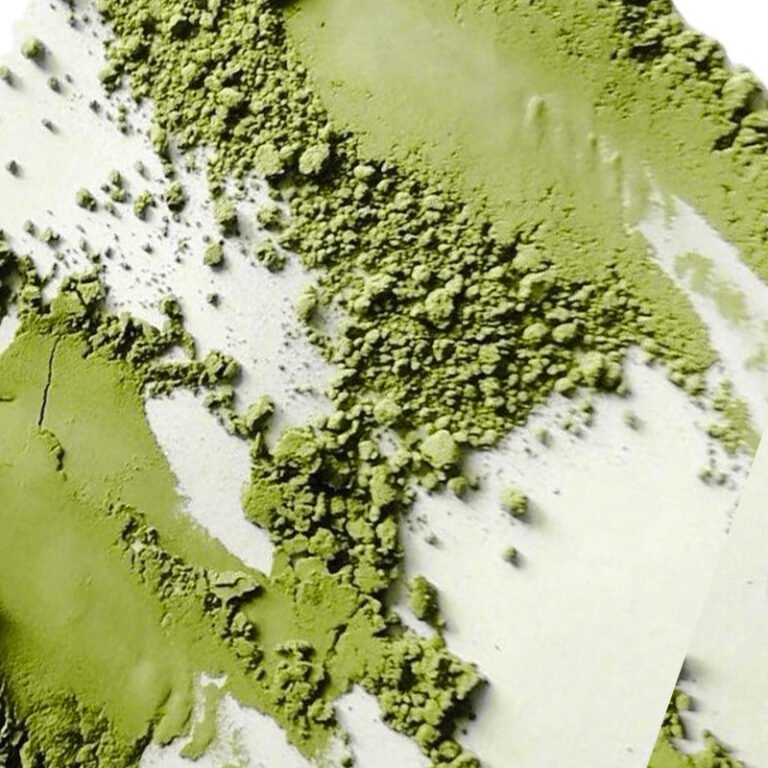
•Produces the characteristic umami, seaweed aroma, and bright green color
Compared with conventional green tea powder, the difference in cultivation strategy is clearly explained in Matcha vs Green Tea Powder: Core Differences.
Steam Fixation & Non-Rolling Processing: Preserving Color and Nutrients
Unlike pan-fired green tea, matcha relies on steam fixation to instantly deactivate enzymes and preserve:
•Chlorophyll
•Tea polyphenols
•L-theanine
This process is executed using a three-stage modern steam fixation system, designed to maximize nutrient retention and maintain matcha’s vivid green appearance, as detailed in Steam Fixation Technology for Matcha.
Ultra-Fine Low-Temperature Milling: Texture Defines Quality
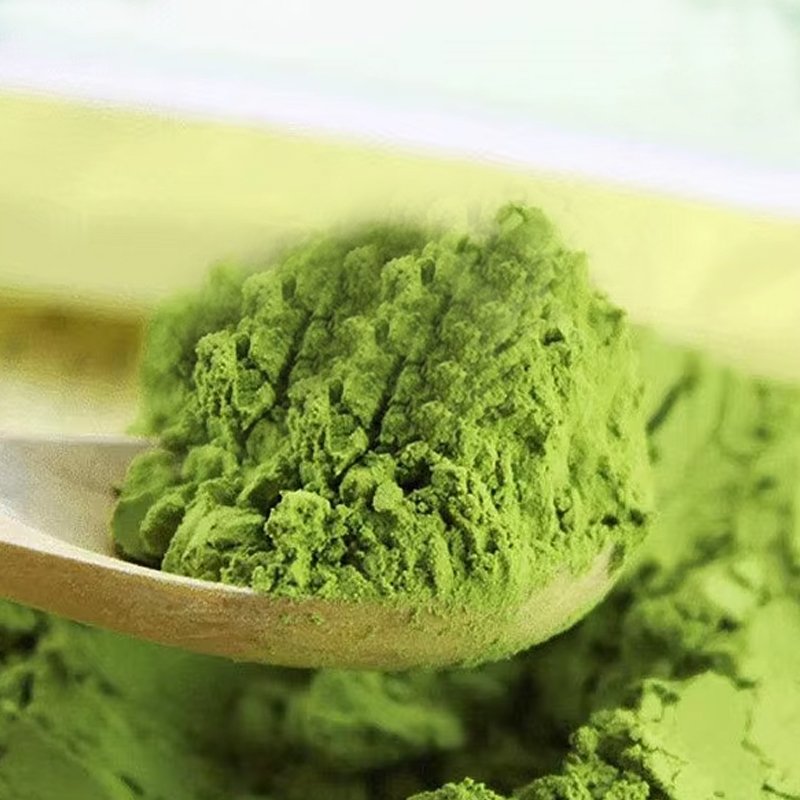
After drying, sorting, and stem removal, tencha leaves undergo low-temperature continuous ball milling, achieving:
•Particle size ≥800 mesh
•Uniform distribution
•Excellent suspension and solubility
This technical advantage is critical for applications ranging from ceremonial beverages to functional food and baking, and is further analyzed in Ultra-Fine Matcha Milling & Particle Performance.
From Daily Beverages to Functional Nutrition
Matcha is a whole-leaf powdered tea, meaning the entire nutritional matrix is consumed.
One cup of matcha delivers antioxidant capacity equivalent to approximately 30 cups of regular green tea, supported by:
•Tea polyphenols
•Flavonoids
•SOD
•Chlorophyll
•Amino acids
The physiological mechanisms are explained in Matcha Nutrition & Functional Benefits .
Second Grade Matcha Powder – FAQ
FAQ 1. What is Second Grade Matcha typically used for?
Second Grade Matcha is designed for:
•Functional beverages
•Health foods
•Confectionery
•Cocoa and chocolate products
It offers good flavor at a more competitive cost.
FAQ 2. How does the flavor profile differ from First Grade Matcha?
Compared with First Grade:
•Slightly higher bitterness
•Milder umami
•Lower amino acid content
However, the taste remains clean and smooth when blended with other ingredients.
FAQ 3. Is this grade suitable for functional food formulations?
Yes. It is commonly used in:
•Nutrition powders
•Meal replacement products
•Antioxidant functional foods
Its whole-leaf structure provides good bioavailability.
FAQ 4. Does Second Grade Matcha maintain color stability?
Yes. It maintains a stable green color in:
•Beverages
•Confectionery
•Blended food systems
FAQ 5. Is this grade heat resistant?
It tolerates moderate heat processing better than premium grades, making it suitable for mixed applications.
FAQ 6. Is this matcha suitable for export markets?
Yes. It meets international food safety standards and is widely exported.
Looking for stable, export-ready matcha for beverage, food, or functional nutrition applications?
👉 Request specifications or samples via our B2B inquiry form.