Microencapsulation Technology: The Key to Stable Astaxanthin Products
Microencapsulation Technology: The Key to Stable Astaxanthin Products Microencapsulated Astaxanthin: Stable Powder for Industrial Applications Astaxanthin is extremely sensitive to environmental conditions. Microencapsulation technology has become essential for industrial applications. What Is Microencapsulation? A protective coating process that enhances stability. Product: 【Astaxanthin Microencapsulated Powder】 Benefits for Manufacturers •Extended shelf life •Improved handling •Better compatibility Why…
Microencapsulation Technology: The Key to Stable Astaxanthin Products
Microencapsulated Astaxanthin: Stable Powder for Industrial Applications
Astaxanthin is extremely sensitive to environmental conditions. Microencapsulation technology has become essential for industrial applications.
What Is Microencapsulation?
A protective coating process that enhances stability.
Product:
【Astaxanthin Microencapsulated Powder】
Benefits for Manufacturers
•Extended shelf life
•Improved handling
•Better compatibility
Why It Matters
Without encapsulation, astaxanthin degrades rapidly.
【Astaxanthin Stability Guide】
【Oil vs Powder Guide】
Looking for stable astaxanthin solutions? Contact us now.
Microencapsulation Technology: The Key to Stable Astaxanthin Products (FAQ)
1. What is microencapsulation technology in astaxanthin products?
Microencapsulation is an advanced delivery technology that coats astaxanthin with protective wall materials (such as starch, gelatin, or gum arabic) to form stable microcapsules.
This process protects astaxanthin from environmental factors like light, oxygen, and heat, significantly improving its stability and shelf life.
2. Why is astaxanthin unstable without microencapsulation?
Natural astaxanthin is highly sensitive due to its chemical structure. It can easily degrade when exposed to:
- UV light
- Oxygen (oxidation)
- High temperature
- Metal ions
Without protection, this leads to:
- Color fading
- Reduced potency
- Short shelf life
3. How does microencapsulation improve astaxanthin stability?
Microencapsulation creates a physical barrier around astaxanthin, which:
- Prevents oxidation
- Enhances heat resistance
- Improves light stability
- Reduces interaction with other ingredients
This ensures consistent performance in formulations such as beverages, capsules, and cosmetics.
4. What are the common microencapsulation methods used for astaxanthin?
The most widely used technologies include:
- Spray drying – cost-effective and scalable
- Coacervation – better control of release properties
- Liposome encapsulation – improved bioavailability
- Nanoemulsion – enhanced solubility for beverages
Each method is selected based on the final application and formulation requirements.
5. What wall materials are used in microencapsulated astaxanthin?
Typical coating materials include:
- Modified starch
- Gelatin
- Gum arabic
- Maltodextrin
- Proteins or polysaccharides
Food-grade and clean-label materials are preferred for dietary supplements and functional foods.
6. What are the key benefits of microencapsulated astaxanthin?
- Improved stability and shelf life
- Better water dispersibility
- Controlled release in the body
- Masked odor and taste
- Enhanced processing compatibility
This makes it ideal for complex formulations.
7. What applications use microencapsulated astaxanthin?
Microencapsulated astaxanthin is widely used in:
- Functional beverages
- Dietary supplements (capsules, tablets, sachets)
- Cosmetics and skincare products
- Nutritional premixes
- Animal nutrition (feed additives)
8. Is microencapsulated astaxanthin water-soluble?
Microencapsulation does not make astaxanthin truly water-soluble, but it significantly improves its dispersibility in water-based systems.
For clear beverages, nanoemulsion technology is often preferred.
9. What is the difference between microencapsulation and nanoemulsion?
| Feature | Microencapsulation | Nanoemulsion |
|---|---|---|
| Particle size | Micron level | Nanometer level |
| Stability | Excellent | Very high |
| Appearance | Powder | Liquid |
| Application | Capsules, tablets, powder drinks | Clear beverages |
Both technologies can be complementary depending on product design.
10. How to choose the right astaxanthin formulation for your product?
Selection depends on:
- Final product format (powder, liquid, softgel)
- Processing conditions (heat, pH)
- Shelf life requirements
- Regulatory and labeling needs
For example:
- Powder supplements → microencapsulated powder
- RTD beverages → nanoemulsion
11. What is the typical specification of microencapsulated astaxanthin?
Common specifications include:
- Astaxanthin content: 1% – 10%
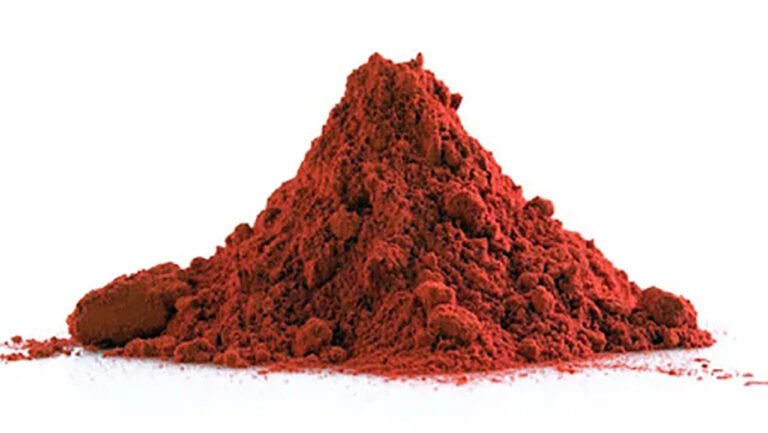
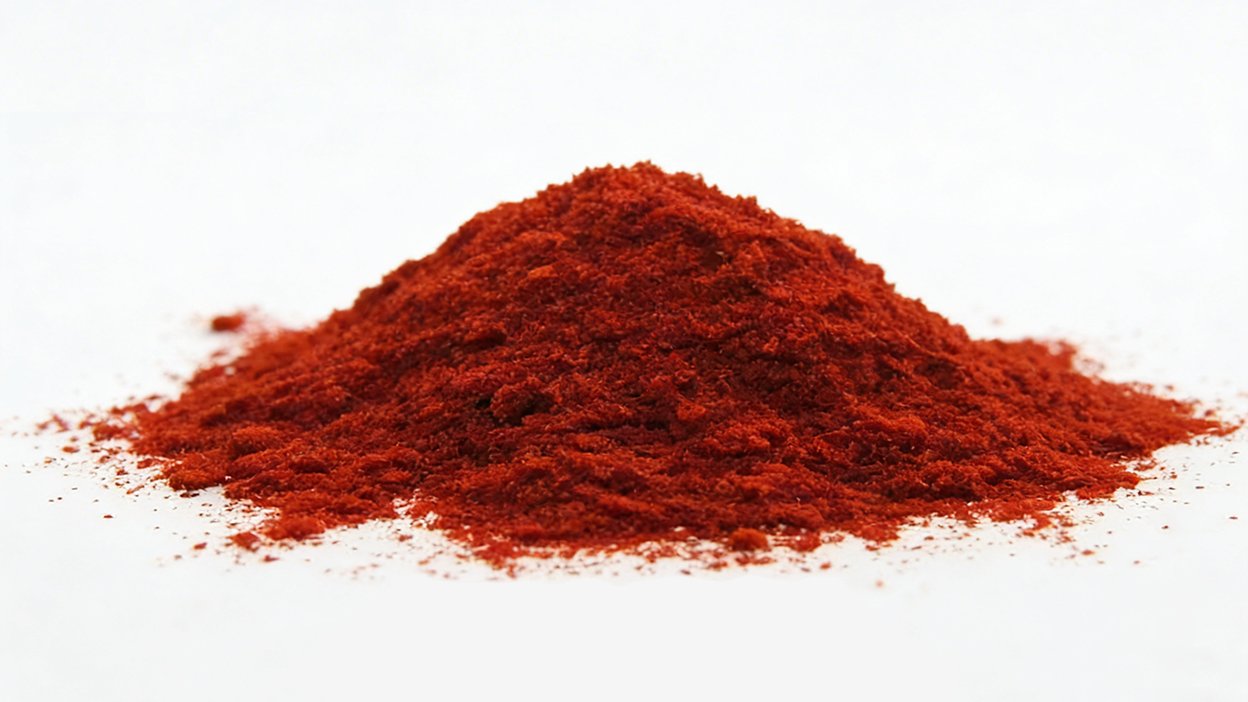
- Appearance: red to dark red powder
- Solubility: dispersible in water
- Stability: enhanced vs. oil form
Customized specifications are often available for OEM/ODM projects.
12. Is microencapsulated astaxanthin suitable for OEM/ODM manufacturing?
Yes. Microencapsulated astaxanthin is highly adaptable for OEM/ODM production due to its:
- Good flowability
- Compatibility with other ingredients
- Stability during processing
It is widely used by global brands in dietary supplements and functional foods.