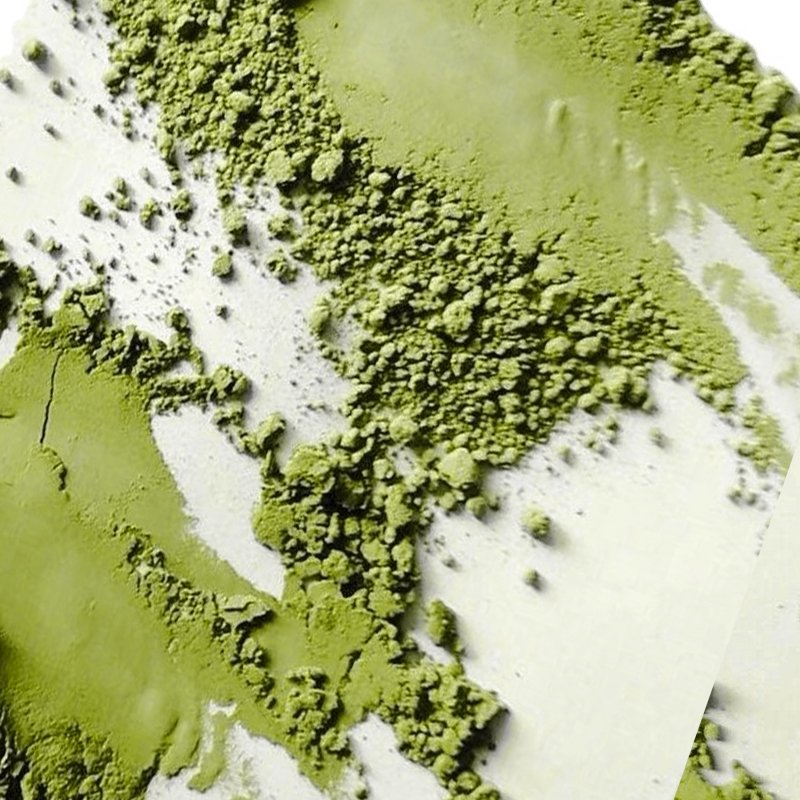
Matcha vs Green Tea Powder
Matcha vs Green Tea Powder Matcha vs Green Tea Powder: Key Differences in Processing & Applications A Technical Comparison for B2B Buyers Although often grouped together, matcha and green tea powder are fundamentally different ingredients—agronomically, technologically, and functionally. 1. Cultivation Differences Aspect Matcha Green Tea Powder Cultivar Specific varieties General-purpose Shading Required None Growth Cycle…
Matcha vs Green Tea Powder
Matcha vs Green Tea Powder: Key Differences in Processing & Applications
A Technical Comparison for B2B Buyers
Although often grouped together, matcha and green tea powder are fundamentally different ingredients—agronomically, technologically, and functionally.
1. Cultivation Differences
| Aspect | Matcha | Green Tea Powder |
| Cultivar | Specific varieties | General-purpose |
| Shading | Required | None |
| Growth Cycle | Long | Short |
Shaded cultivation alone dramatically increases L-theanine and chlorophyll, directly impacting taste and color.
2. Processing Differences
Matcha uses steam fixation + non-rolling, while green tea powder typically relies on rolling and mechanical grinding. This results in:
●Matcha: ≥800 mesh, uniform, suspended
●Green tea powder: 40–200 mesh, fast sedimentation
3. Nutritional & Functional Differences
Matcha delivers the entire leaf, making it nutritionally denser. One cup of matcha equals approximately 30 cups of brewed green tea in antioxidant intake.
This distinction is critical when selecting ingredients for functional food, nutrition, and premium beverage applications, especially within EU Organic & Premium Matcha Series.
Second Grade Matcha Powder – FAQ
FAQ 1. What is Second Grade Matcha typically used for?
Second Grade Matcha is designed for:
•Functional beverages
•Health foods
•Confectionery
•Cocoa and chocolate products
It offers good flavor at a more competitive cost.
FAQ 2. How does the flavor profile differ from First Grade Matcha?
Compared with First Grade:
•Slightly higher bitterness
•Milder umami
•Lower amino acid content
However, the taste remains clean and smooth when blended with other ingredients.
FAQ 3. Is this grade suitable for functional food formulations?
Yes. It is commonly used in:
•Nutrition powders
•Meal replacement products
•Antioxidant functional foods
Its whole-leaf structure provides good bioavailability.
FAQ 4. Does Second Grade Matcha maintain color stability?
Yes. It maintains a stable green color in:
•Beverages
•Confectionery
•Blended food systems
FAQ 5. Is this grade heat resistant?
It tolerates moderate heat processing better than premium grades, making it suitable for mixed applications.
FAQ 6. Is this matcha suitable for export markets?
Yes. It meets international food safety standards and is widely exported.
Unsure whether matcha or green tea powder fits your formulation?
👉 Consult our technical team for application guidance.