Matcha Quality Control & Regulatory Compliance
Matcha Quality Control & Regulatory Compliance Matcha Quality Control & Regulatory Compliance for Global Markets How Matcha Safety and Consistency Are Achieved at Industrial Scale For export-oriented matcha suppliers, quality is no longer defined solely by taste—it is defined by data, traceability, and compliance. Our matcha production operates under a full-chain quality control system, covering…
Matcha Quality Control & Regulatory Compliance
Matcha Quality Control & Regulatory Compliance for Global Markets
How Matcha Safety and Consistency Are Achieved at Industrial Scale
For export-oriented matcha suppliers, quality is no longer defined solely by taste—it is defined by data, traceability, and compliance.
Our matcha production operates under a full-chain quality control system, covering raw material sourcing, processing, and finished product testing. This system supports international markets including EU, North America, Japan, South Korea, the Middle East, and Southeast Asia.
1. Raw Material Control: From Tea Garden to Factory
Each batch of fresh leaves undergoes:
●Multi-parameter pesticide residue screening
●Heavy metal testing (20+ indicators)
●Traceability documentation
Only compliant batches enter processing, ensuring a clean starting point for Organic & EU Standard Matcha.
2. Process Control: Data-Driven Manufacturing
Key parameters such as:
●Steam fixation temperature
●Drying time and humidity
●Milling temperature and speed
are monitored in real time. This ensures batch-to-batch consistency, especially critical for large-volume B2B customers.
3. Finished Product Testing
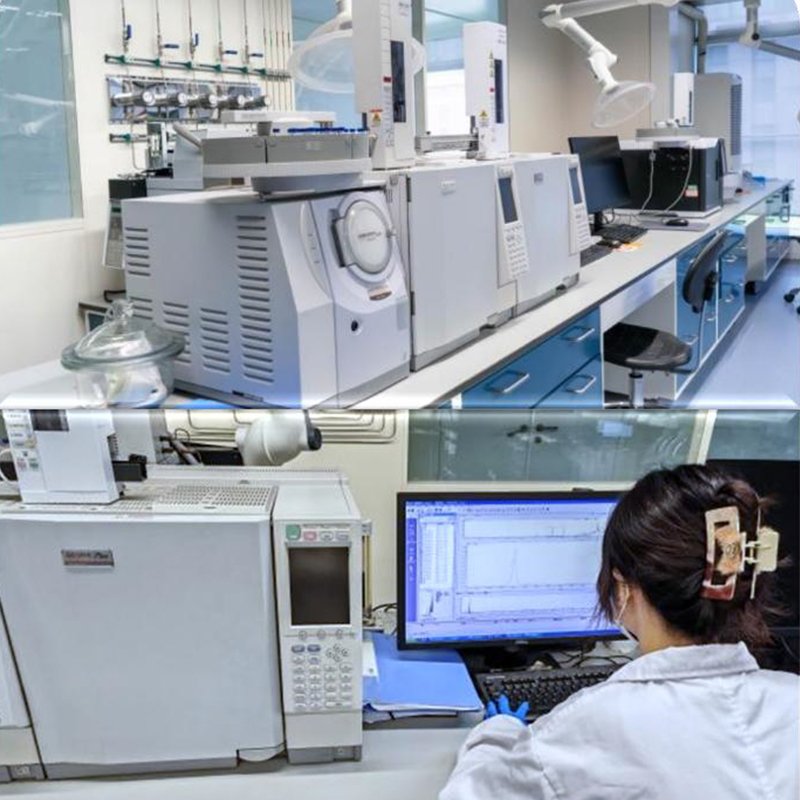
Our laboratory is equipped with:
●GC-MS & LC-MS systems
●High-performance liquid chromatography
●Ultra-micro spectrophotometers
This allows precise verification of:
●Amino acid content
●Chlorophyll levels
●Microbial safety
All products are released only after passing FSSC22000, ISO22000, ISO9001, and HACCP requirements.
Second Grade Matcha Powder – FAQ
FAQ 1. What is Second Grade Matcha typically used for?
Second Grade Matcha is designed for:
•Functional beverages
•Health foods
•Confectionery
•Cocoa and chocolate products
It offers good flavor at a more competitive cost.
FAQ 2. How does the flavor profile differ from First Grade Matcha?
Compared with First Grade:
•Slightly higher bitterness
•Milder umami
•Lower amino acid content
However, the taste remains clean and smooth when blended with other ingredients.
FAQ 3. Is this grade suitable for functional food formulations?
Yes. It is commonly used in:
•Nutrition powders
•Meal replacement products
•Antioxidant functional foods
Its whole-leaf structure provides good bioavailability.
FAQ 4. Does Second Grade Matcha maintain color stability?
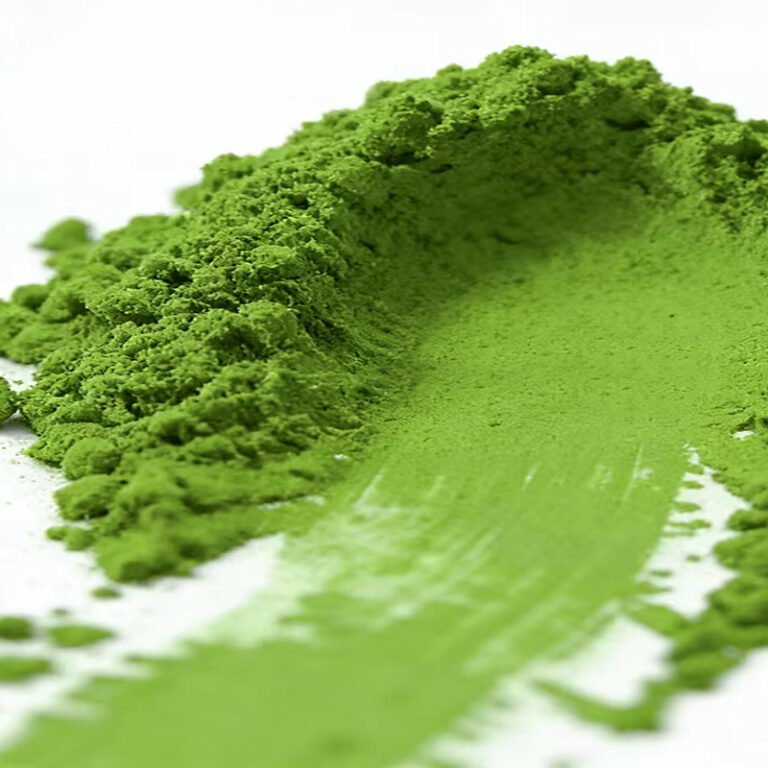
Yes. It maintains a stable green color in:
•Beverages
•Confectionery
•Blended food systems
FAQ 5. Is this grade heat resistant?
It tolerates moderate heat processing better than premium grades, making it suitable for mixed applications.
FAQ 6. Is this matcha suitable for export markets?
Yes. It meets international food safety standards and is widely exported.
Supplying regulated markets or private-label brands?
👉 Request certificates, COA samples, and audit support documentation.