Shilajit Extract Powder vs Shilajit Resin: How to Choose the Right Format for Your Supplement
Shilajit Extract Powder vs Shilajit Resin: How to Choose the Right Format for Your Supplement Shilajit Extract Powder vs Resin: Which Form Is Best for Supplements? Understanding Why Format Matters in Shilajit Formulation As Shilajit Extract continues to gain momentum in global nutraceutical markets, one of the most frequent questions from formulators, brand owners, and…
Shilajit Extract Powder vs Shilajit Resin: How to Choose the Right Format for Your Supplement
Shilajit Extract Powder vs Resin: Which Form Is Best for Supplements?
Understanding Why Format Matters in Shilajit Formulation
As Shilajit Extract continues to gain momentum in global nutraceutical markets, one of the most frequent questions from formulators, brand owners, and ingredient distributors is not whether to use Shilajit—but which format delivers the best balance between performance, positioning, and scalability.
On the market today, Shilajit is primarily supplied in two standardized industrial forms:
•Shilajit Extract Powder
•Shilajit Extract Resin (Paste)
Both originate from purified Shilajit Asphaltum and share similar bioactive profiles, yet they behave very differently during manufacturing, formulation, and commercialization.
👉 To understand the full ingredient background, refer to our main overview:
Shilajit Extract
Shilajit Extract Powder: Designed for Industrial Efficiency
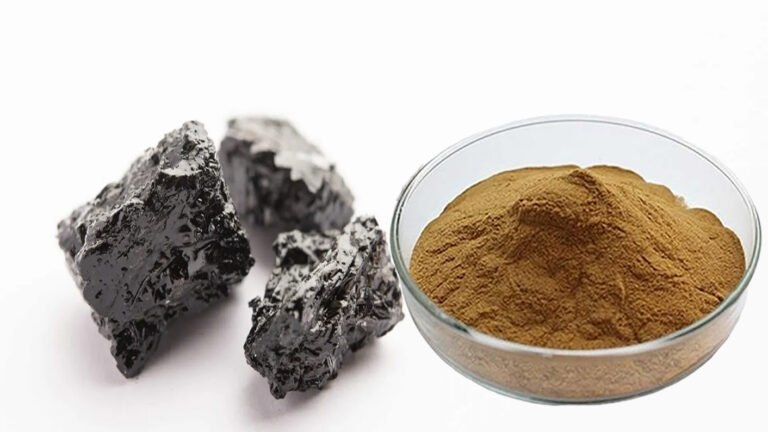
Shilajit Extract Powder is produced through aqueous extraction, concentration, and vacuum or spray drying, resulting in a dry, free-flowing ingredient suitable for large-scale manufacturing.
Why Powder Is Preferred by Industrial Buyers
From a B2B formulation perspective, powder format offers several clear advantages:
•Accurate dosing for capsules and tablets
•Excellent compatibility with automated filling systems
•Reduced storage and transportation costs
•Long-term stability and batch consistency
•Easy integration into multi-ingredient blends
For brands targeting mass-market supplements, private label projects, or sports nutrition lines, powder format allows faster scale-up with predictable performance.
👉 Related technical details:
Shilajit Extract Powder
Fulvic Acid Content in Shilajit
Shilajit Extract Resin (Paste): Premium Positioning & Tradition
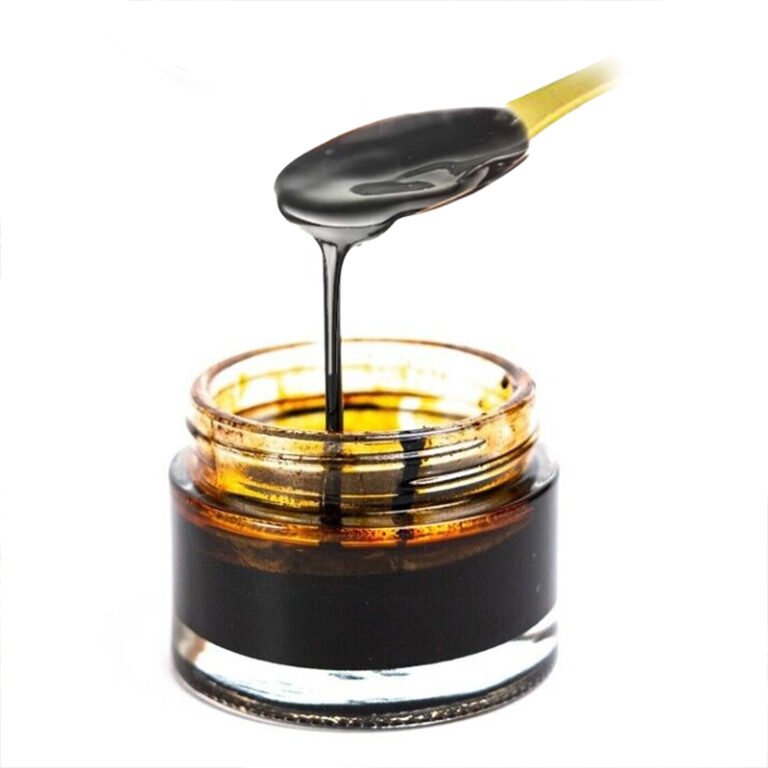
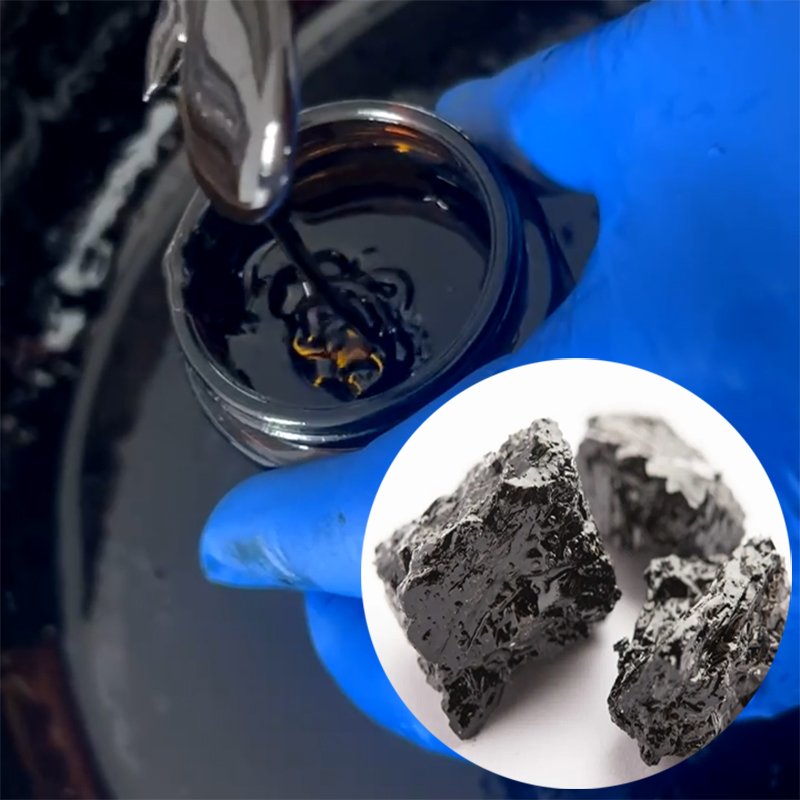
Shilajit Extract Resin, also known as Shilajit Paste, represents the most traditional and recognizable form of this ingredient. It is created by concentrating the aqueous extract into a thick, semi-solid resin without drying.
Why Premium Brands Choose Resin
•High perceived authenticity and traditional value
•Dense bioactive concentration
•Suitable for liquid shots, softgels, and tonic formulations
•Strong storytelling appeal in wellness and longevity products
This format is especially popular in Middle Eastern, European boutique wellness, and high-end men’s vitality segments, where consumers associate resin form with purity and potency.
👉 Learn more about bioactivity density:
Shilajit Extract Resin
Powder or Resin: A Strategic Decision
| Business Goal | Recommended Format |
| Large-scale production | Powder |
| Capsules / tablets | Powder |
| Premium branding | Resin |
| Liquid formulations | Resin |
| Cost efficiency | Powder |
| Traditional positioning | Resin |
Many international brands choose to offer both formats to cover multiple price tiers and consumer preferences.
Need help selecting the right Shilajit format?
Contact us for technical recommendations.
FAQ 1 Can Shilajit Extract be used in beverages?
Yes. Paste and dispersible powder formats are suitable for functional beverages and liquid shots.
FAQ 2 Do you provide COA and technical documentation?
Yes. COA, specifications, and safety data are available upon request.
FAQ 3 Do you support OEM or private label projects?
Yes. We offer customized specifications, blending, and private labeling services.
FAQ 4 What is the typical shelf life?
24 months when stored in a cool, dry environment.
FAQ 5 What is the minimum order quantity (MOQ)?
MOQ varies by specification and format; trial orders and samples are supported.
FAQ 6 Which markets show the strongest demand for Shilajit?
Europe, North America, Japan, South Korea, the Middle East, and Southeast Asia show stable and growing demand.