
Omega-3 Nannochloropsis Algal Oil EPA Ethyl Ester (EE) Crude Extract
Omega-3 Nannochloropsis Algal Oil EPA Ethyl Ester (EE) Crude Extract
Omega-3 Algae EPA Ethyl Ester Oil from Nannochloropsis
Description


Nannochloropsis Algal Oil EPA Ethyl Ester (EE) Crude Extract
Nannochloropsis Algal Oil EPA Ethyl Ester (EE) is a high-value Omega-3 lipid ingredient derived from Nannochloropsis, a unicellular marine microalga recognized as one of the primary natural producers of eicosapentaenoic acid (EPA). Through controlled cultivation and extraction technologies, this microalgae provides a sustainable and scalable source of EPA without relying on traditional marine fisheries.
This product is supplied as a crude EPA ethyl ester oil extract, typically containing 17–25% EPA (170–250 mg/g). It is produced through solvent extraction followed by preliminary esterification, creating an intermediate material that can be further refined or concentrated by manufacturers into high-purity EPA oils, concentrates, or pharmaceutical-grade ingredients.
1.Sustainable Microalgae Source
Nannochloropsis microalgae naturally synthesize EPA through photosynthesis, utilizing carbon dioxide and sunlight as primary inputs. This production method significantly reduces pressure on marine ecosystems compared with fish oil harvesting and krill extraction.
Microalgae cultivation also offers advantages such as:
• Renewable and scalable production
• Non-animal origin
• Marine ecosystem friendly
• Reduced environmental footprint
Because EPA is produced directly by the microalgae itself, it represents the primary origin of marine Omega-3 fatty acids within the oceanic food chain.
2.DHA-Free EPA Source
Unlike many fish oils that contain both EPA and DHA, Nannochloropsis-derived oil naturally contains EPA without DHA. This feature is particularly valuable for specialized formulations targeting cardiovascular health and metabolic regulation where pure EPA supplementation is preferred.
Scientific studies suggest that EPA may help support:
• Healthy triglyceride levels
• Cardiovascular function
• Anti-inflammatory pathways
• Lipid metabolism balance
A DHA-free EPA source allows formulators to design precise Omega-3 profiles for targeted health applications.
3.Unique Lipid Composition
Microalgae oil contains a distinctive lipid profile including:
• Polar lipids
• Glycolipids
• Betaine lipids (DGTS / lyso-DGTS)
• Phospholipids
• Free fatty acids
These lipid structures play an important role in lipid metabolism and biological transport systems within the body. Certain polar lipid forms may help facilitate the delivery of fatty acids to specific tissues such as the brain and liver.
Research has also shown that specialized lipid molecules derived from EPA can be converted into Specialized Pro-Resolving Mediators (SPMs), which are involved in the natural resolution of inflammation processes.
4.Bioavailability Advantages
Studies comparing different Omega-3 sources indicate that algal oils containing unique polar lipid fractions may demonstrate efficient absorption and metabolic utilization.
Certain lipid transport pathways in the body, including transport proteins involved in fatty acid metabolism, can interact with polar lipid structures and contribute to improved lipid balance.
EPA-derived lipid mediators have also been associated with potential roles in:
• Lipid metabolism regulation
• Cholesterol balance
• Anti-inflammatory signaling
• Cardiovascular support
These functional properties make algal EPA oils highly valuable in modern nutritional and biomedical research.
5.Manufacturing Process
The production of Nannochloropsis Algal Oil EPA Ethyl Ester involves several carefully controlled steps:
5.1Controlled microalgae cultivation
5.2Biomass harvesting and concentration
5.3Oil extraction using solvent systems
5.4Initial esterification to produce ethyl ester form
5.5Crude oil purification and stabilization
The resulting product is supplied as a crude EPA ethyl ester oil intermediate suitable for downstream refining, concentration, and formulation.
6.Typical Specifications
Product Name: Nannochloropsis Algal Oil EPA
Form: Oil
Type: Ethyl Ester (EE) Crude Extract
EPA Content: 170–250 mg/g (17–25%)
Source: Nannochloropsis microalgae
Extraction Method: Solvent extraction + preliminary esterification
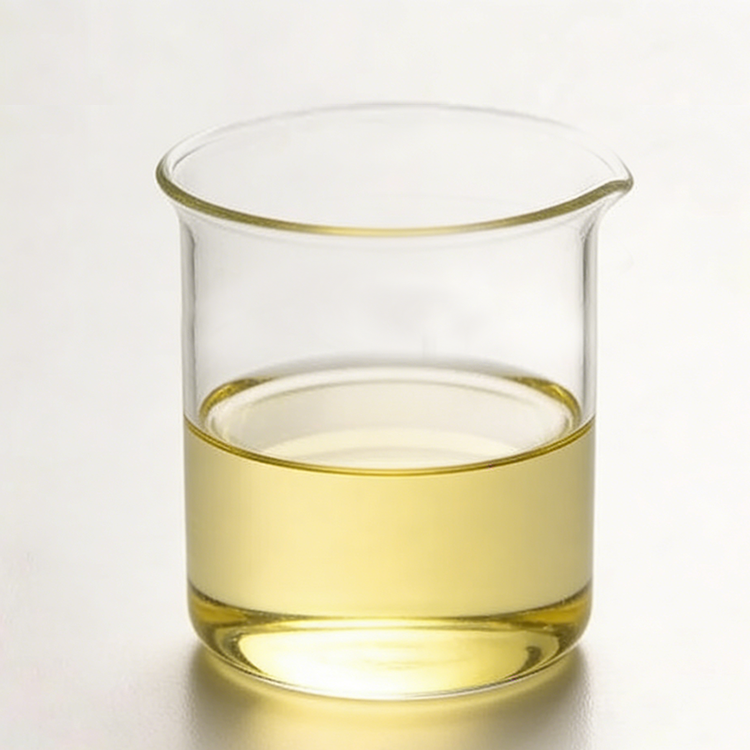
Appearance: Yellow to amber oily liquid
Odor: Characteristic marine lipid odor
Applications: Nutraceuticals, pharmaceuticals, functional foods, lipid research.
7.Application Industries
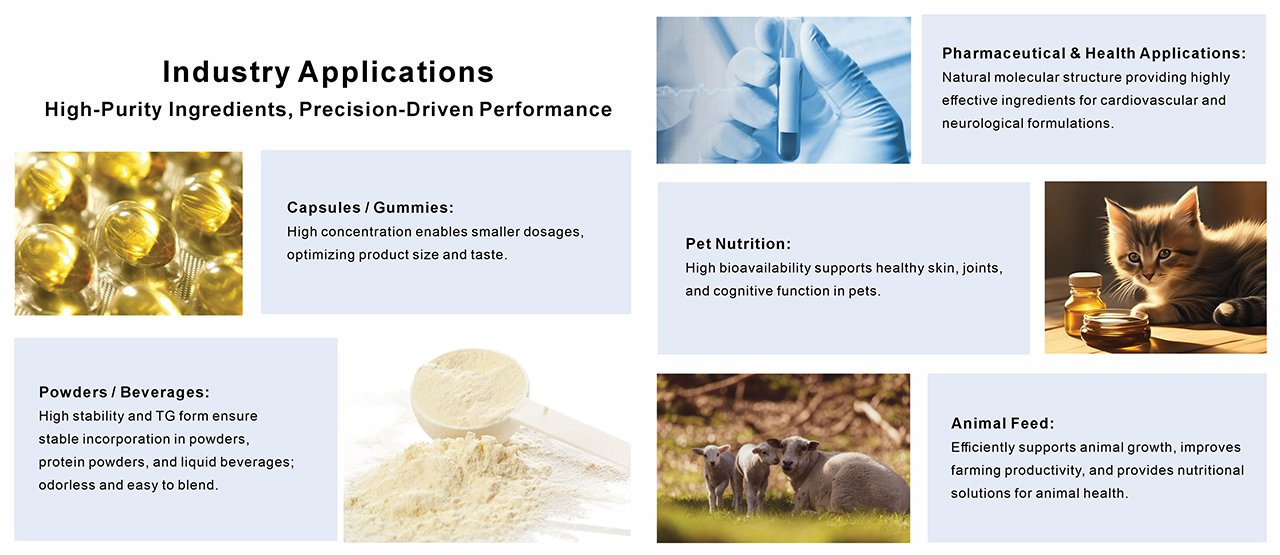
This EPA algal oil is widely used by manufacturers and ingredient developers across multiple industries:
7.1Nutraceutical Supplements
• Omega-3 softgels
• Cardiovascular health supplements
• Anti-inflammatory formulations
• High-EPA concentrates
7.2Pharmaceutical Intermediates
• EPA refining and purification
• Pharmaceutical Omega-3 drug development
• Lipid-based drug delivery systems
7.3Functional Foods & Beverages
• Fortified nutritional products
• Medical nutrition formulas
• Healthy lipid ingredient blends
7.4Biotechnology & Research
• Lipid metabolism research
• Anti-inflammatory mediator studies
• Nutritional lipid science
8.Advantages for Industrial Buyers
Compared with conventional marine oils, Nannochloropsis-derived EPA offers several key advantages for B2B buyers:
• Sustainable and traceable production
• Non-fish origin Omega-3 source
• DHA-free EPA profile
• Cost-efficient crude intermediate
• Suitable for further refining and concentration
• Scalable industrial supply
These characteristics make the product especially suitable for large oil refiners, nutraceutical manufacturers, and pharmaceutical ingredient producers seeking reliable EPA raw materials.
9.OEM & Custom Manufacturing
To support global industry customers, flexible supply options are available, including:
• Custom EPA concentrations
• Bulk industrial packaging
• Private label manufacturing
• Custom formulation support
• Contract manufacturing and OEM services
Product specifications and packaging can be tailored according to the requirements of international nutraceutical, pharmaceutical, and functional food manufacturers.
FAQ: Omega-3 Nannochloropsis Algal Oil EPA Ethyl Ester (EE) Crude Extract
1. What is Omega-3 Nannochloropsis Algal Oil EPA Ethyl Ester (EE) Crude Extract?
Omega-3 Nannochloropsis Algal Oil EPA Ethyl Ester (EE) Crude Extract is a concentrated omega-3 oil derived from Nannochloropsis microalgae, where EPA (eicosapentaenoic acid) is converted into ethyl ester (EE) form through esterification. It is typically used as a semi-refined raw material for further purification or formulation.
2. What is the source of EPA in this product?
The EPA is produced from Nannochloropsis microalgae, a natural marine microalgae species known for its high EPA biosynthesis capacity. Cultivation is performed through controlled microalgae fermentation or photobioreactor systems, providing a sustainable and traceable omega-3 source.
3. What does “Ethyl Ester (EE)” mean?
Ethyl Ester (EE) refers to a processed omega-3 structure created by reacting fatty acids with ethanol. This form allows higher concentration of EPA and is often used as an intermediate for further purification or conversion into triglyceride (TG) or re-esterified forms.
4. Why is it called a crude extract?
A crude extract means the oil has undergone initial extraction and basic concentration steps, but may still require additional refining, molecular distillation, or purification before being used in finished consumer products.
5. What are the typical applications of EPA EE crude extract?
This ingredient is commonly used in:
-
Omega-3 refining and concentration processes
-
Pharmaceutical intermediate production
-
Nutraceutical ingredient manufacturing
-
Research and development of omega-3 formulations
6. How does microalgae EPA compare to fish-derived EPA?
Microalgae EPA offers several advantages:
-
Sustainable and marine-independent production
-
No reliance on fish harvesting
-
Reduced risk of marine contaminants
-
Stable supply through controlled cultivation
7. Can this ingredient be converted into other omega-3 forms?
Yes. EPA Ethyl Ester crude extract can be further processed into higher-purity EPA oils, including re-esterified triglyceride (rTG) form or concentrated EPA formulations used in pharmaceuticals and high-end dietary supplements.
8. What industries typically use this product?
The product is mainly used by omega-3 refining companies, pharmaceutical manufacturers, nutraceutical ingredient suppliers, and research institutions involved in advanced omega-3 development and production.


Reviews
There are no reviews yet.