High-Performance AcHA for Moisturizing & Barrier Repair
High-Performance AcHA for Moisturizing & Barrier Repair
Acetylated Sodium Hyaluronate Double Hydration & Skin Repair
Acetylated Sodium Hyaluronate (AcHA) is a high-performance derivative of conventional sodium hyaluronate (HA), obtained through an acetylation reaction. This modification introduces acetyl groups to HA, enhancing its lipophilicity, skin affinity, and adsorption properties. As a result, AcHA exhibits superior bioactivity, allowing it to deeply penetrate the stratum corneum, adhere firmly to the skin surface, and provide long-lasting hydration. Its innovative structure ensures that water is retained in the skin for extended periods, creating a double moisturizing effect that is highly valued in modern skincare formulations.
Description
Product Name: Acetylated Sodium Hyaluronate (AcHA)
Molecular Weight Range: Customizable (Low, Medium, High)
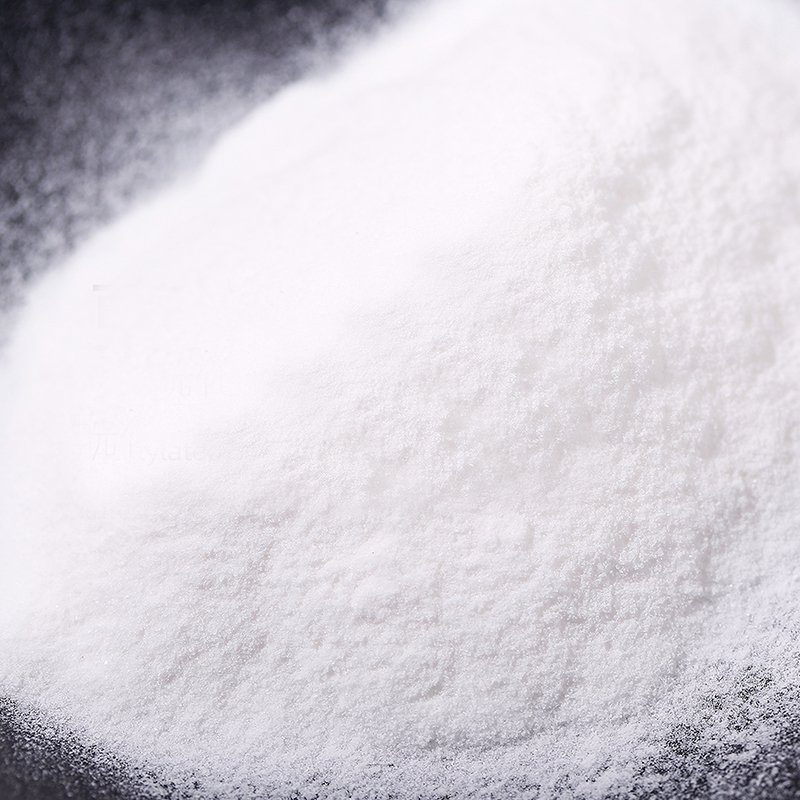
Appearance: White to light yellow fine powder or particles, dissolves into clear transparent solution
Functions: High-affinity skin moisturizer, barrier repair, elasticity improvement, anti-dryness
Molecular Formula: (C₁₄H₂₁NO₁₁)ₙ (acetyl-modified)
Molecular Weight: Varies by series
Key Benefits & Mechanisms:
1.Enhanced Skin Affinity: The lipophilic acetyl groups allow AcHA to form a close, uniform film on the skin surface. This adhesion significantly improves water retention and prevents dehydration, while small molecular fractions penetrate into the epidermis to repair and strengthen skin cells. The result is smoother, softer, and more elastic skin.
2.Double Hydration Power: AcHA’s water-binding ability is nearly twice that of unmodified HA. This dual moisturizing effect is achieved by combining its strong hydration capacity with prolonged adherence to the skin, ensuring that moisture is maintained even under environmental stressors such as low humidity or harsh cleansers.
3.Barrier Repair & Elasticity Improvement: AcHA stimulates normal epidermal cell proliferation, repairing damaged keratinocytes and reinforcing the stratum corneum. This barrier repair function not only improves skin resilience but also reduces the appearance of fine lines and enhances overall elasticity.
4.High Bioactivity: AcHA retains the biological benefits of HA while providing superior hydration, making it an ideal active ingredient for anti-aging, repairing, and moisturizing formulations.
5.Formulation Flexibility & Safety: Produced in ISO9001, HACCP, and GMP-certified facilities with ISO14001 environmental management compliance, AcHA meets strict quality standards. Its high purity, low protein content, and minimal heavy metals and endotoxins make it suitable for various cosmetic, personal care, nutraceutical, and pharmaceutical applications.
 |
Inspection Item | Specification |
| Appearance | White to light yellow powder or particles, dissolves clear | |
| Acetyl Content (%) | 23.0–29.0 | |
| Intrinsic Viscosity (dL/g) | 0.50–2.80 | |
| Transmittance of Solution (%) | ≥99.0 | |
| Loss on Drying (%) | ≤10.0 | |
| pH (5mg/mL, 25℃) | 5.0–7.0 | |
| Heavy Metals (as Pb, mg/kg) | ≤20 | |
| Burning Residue (%) | 11.0–16.0 | |
| Protein Content (%) | ≤0.10 | |
| Total Bacterial Count (CFU/g) | ≤100 | |
| Mold & Yeast (CFU/g) | ≤50 | |
| Staphylococcus aureus (CFU/g) | Not detectable | |
| Pseudomonas aeruginosa (CFU/g) | Not detectable |
Applications:
1.Skincare Products: Serums, creams, lotions, eye care, facial masks
2.Functional Cosmetics: Anti-aging, repairing, moisturizing, sensitive skin products
3.Other Industries: Nutraceuticals, functional foods, pharmaceuticals, personal care
Recommended Usage:
1.Typical addition: 0.01–0.1% depending on product formulation
2.Easily soluble in water; can be directly added to aqueous phases
3.Provides a smooth, non-sticky feel on the skin
Storage and Handling:
1.Store in a sealed container in a cool, dry place or refrigerated at 2–8°C
2.Protect from moisture; once dissolved, use promptly or add preservatives to prevent microbial growth
Cationic HA vs Acetylated HA – Comparison Table
| Feature | Cationic Sodium Hyaluronate (cHA) | Acetylated Sodium Hyaluronate (AcHA) |
| Charge | Positive (cationic) | Neutral/lipophilic (acetyl-modified) |
| Skin/Hair Affinity | Strong adhesion to negatively charged skin and hair; resistant to rinsing | High skin penetration and adhesion due to lipophilic acetyl groups |
| Primary Function | Hair & scalp hydration, film-forming protection | Skin moisturizing, barrier repair, elasticity enhancement |
| Water Retention | High, mainly on hair & skin surface | Double hydration in stratum corneum, long-lasting skin hydration |
| Film Formation | Forms protective layer on hair & scalp | Forms dense hydration layer on skin; improves barrier function |
| Suitable Applications | Shampoos, conditioners, hair masks, body wash | Serums, creams, lotions, facial masks, anti-aging skincare |
| Bioactivity | Moderate | High, enhances cell proliferation & barrier repair |
| Formulation Compatibility | Avoid cationic surfactants or preservatives | Compatible with surfactants, peptides, actives |
| Key Advantages | Resistant to rinsing, silky hair feel | Deep skin hydration, repair dry/damaged skin, improves elasticity |
Why Choose Our AcHA:
1.High batch-to-batch consistency and hydrolytic stability
2.Stable viscosity over 3–5 days, ensuring reliable formulation performance
3.Glucuronic acid content ≥46%, HA content 97–99%, exceeding standard requirements
4.Accurate molecular weight labeling facilitates precise formulation
5.Minimal protein (<0.05%) and endotoxin (<0.07 EU/mg), reducing allergenic risk
6.Pure, non-yellowing solution ensures a premium aesthetic quality
Frequently Asked Questions (FAQ) — Acetylated Sodium Hyaluronate (AcHA)
1. What is Acetylated Sodium Hyaluronate (AcHA)?
Acetylated Sodium Hyaluronate (AcHA) is a high-performance derivative of Sodium Hyaluronate (HA), produced through an acetylation process. This chemical modification introduces acetyl groups into the HA molecule, enhancing its lipophilicity, skin affinity, and long-lasting moisturizing ability.
2. What makes AcHA different from traditional Sodium Hyaluronate?
Unlike regular Sodium Hyaluronate, which mainly provides surface hydration, AcHA has both hydrophilic and lipophilic properties. This allows it to penetrate the stratum corneum more effectively, adhere tightly to the skin, and maintain moisture for a longer duration—offering a dual moisturizing effect (surface and deep-layer hydration).
3. What are the key benefits of Acetylated Sodium Hyaluronate in skincare formulations?
-
Deep and long-lasting hydration
-
Strong skin adhesion and film-forming properties
-
Enhanced moisture retention and barrier protection
-
Excellent skin compatibility and smooth sensory feel
-
Suitable for both water- and oil-based cosmetic formulations
4. How does AcHA improve skin hydration?
AcHA forms a flexible, breathable film on the skin surface while also penetrating deeper layers of the stratum corneum. This dual mechanism locks in moisture internally and externally, effectively reducing transepidermal water loss (TEWL) and keeping the skin soft, smooth, and hydrated over time.
5. What types of cosmetic products can AcHA be used in?
AcHA is ideal for a wide range of personal care products, including:
-
Facial serums and creams
-
Moisturizing lotions and gels
-
Sheet masks and essence toners
-
Sunscreens and after-sun care
-
Foundation and BB/CC creams
6. Is Acetylated Sodium Hyaluronate safe for skin?
Yes. AcHA is derived from natural Sodium Hyaluronate and has been proven to be non-toxic, non-irritating, and biocompatible. It is suitable for all skin types, including sensitive skin, and is commonly used in high-end and clean beauty formulations.
7. What is the recommended usage level of AcHA in formulations?
The recommended addition level is typically 0.05% to 1.0%, depending on product type and desired moisturizing performance. It can be used alone or combined with other humectants for enhanced effects.
8. Can AcHA be combined with other moisturizing or active ingredients?
Yes. AcHA works synergistically with Hyaluronic Acid, Hydrolyzed HA, Glycerin, Panthenol, Ceramides, and natural oils to create comprehensive hydration systems in modern skincare formulations.
9. What is the stability and solubility of AcHA?
AcHA is water-dispersible and shows excellent stability under normal formulation conditions. It remains effective across a pH range of 5.0–7.5 and is compatible with most cosmetic ingredients.
10. Why is Acetylated Sodium Hyaluronate a preferred ingredient in modern skincare?
AcHA represents a next-generation moisturizing technology. Its unique acetyl modification gives it both deep hydration and prolonged retention properties, improving skin texture, smoothness, and barrier integrity. This makes it a premium choice for products targeting hydration, anti-aging, and long-lasting skin comfort.


Reviews
There are no reviews yet.