
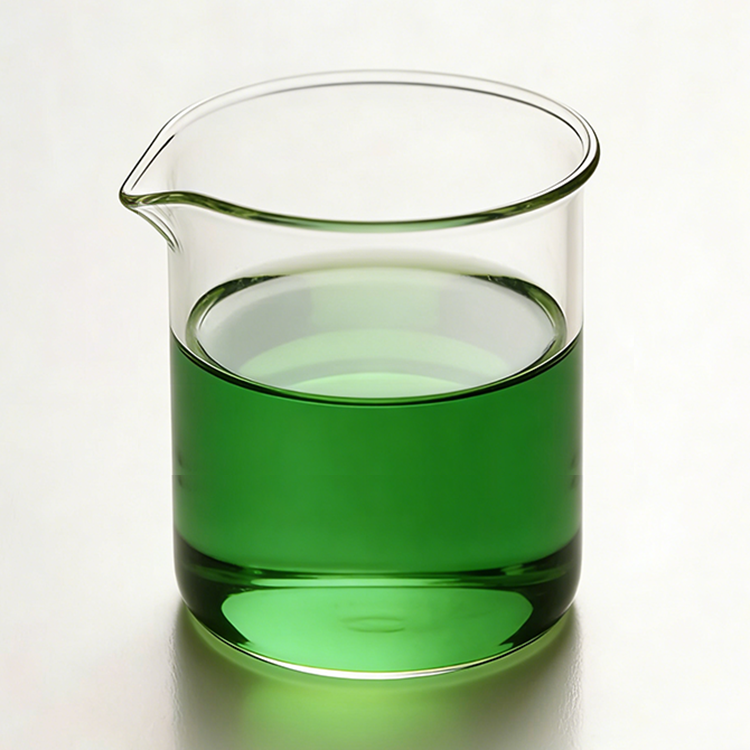
Omega-3 Nannochloropsis Algal Oil EPA rTG (Re-esterified TG)
Omega-3 Nannochloropsis Algal Oil EPA rTG (Re-esterified TG)
Omega-3 High Bioavailability EPA rTG Algal Oil
Nannochloropsis Algal Oil EPA rTG is a refined omega-3 lipid ingredient derived from the marine microalgae Nannochloropsis, one of the primary natural producers of eicosapentaenoic acid (EPA). Through advanced purification and enzymatic re-esterification technology, EPA is converted into the re-esterified triglyceride (rTG) structure, a molecular form known for its high absorption efficiency and superior bioavailability compared with conventional ethyl ester omega-3 oils.
Unlike traditional marine oils sourced from fish or krill, microalgae-derived EPA originates directly from the primary producers in the marine food chain. Cultivated through controlled photosynthetic processes, microalgae convert atmospheric CO₂ into valuable bioactive compounds, including EPA, polar lipids, polysaccharides, and peptides, providing a sustainable and environmentally friendly omega-3 source.
Nannochloropsis algal oil naturally contains EPA without DHA, making it particularly suitable for targeted cardiovascular and metabolic health applications where pure EPA formulations are desired. The oil is also naturally enriched with polar lipids and bioactive molecules, which may contribute to improved lipid metabolism and efficient fatty acid transport within the body.
Due to its high purity, excellent bioavailability, sustainability, and clean supply chain, refined rTG EPA algal oil is widely used by manufacturers in nutraceutical supplements, pharmaceutical ingredients, medical nutrition, functional foods, and advanced lipid research. Bulk supply and OEM customization are available to meet the formulation needs of global nutraceutical and pharmaceutical manufacturers.
Description

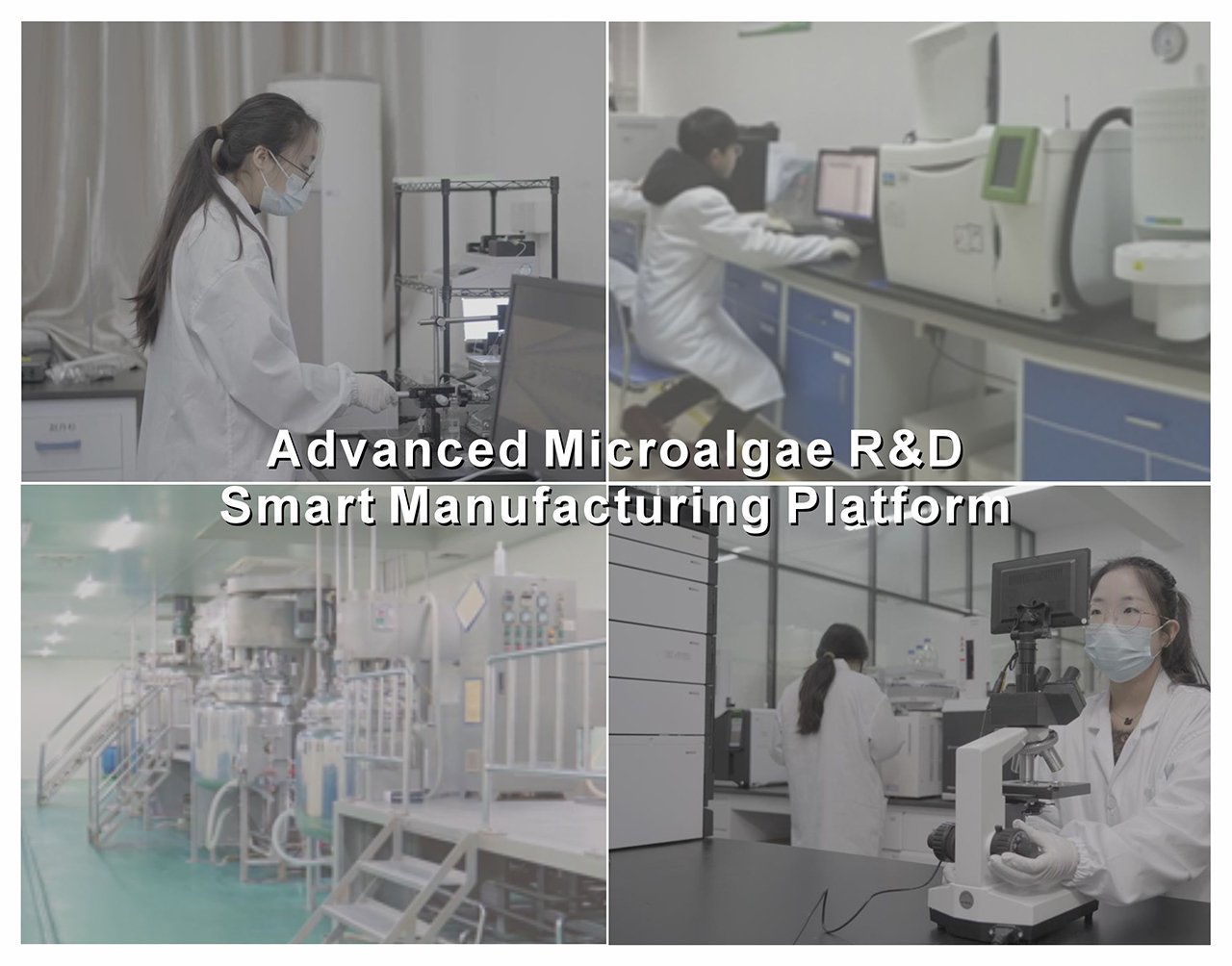
Nannochloropsis Algal Oil EPA rTG (Re-esterified Triglyceride)
Nannochloropsis Algal Oil EPA rTG is a premium omega-3 lipid ingredient produced from the marine microalgae Nannochloropsis. As one of the primary producers of eicosapentaenoic acid (EPA) in the marine ecosystem, Nannochloropsis provides a sustainable and traceable source of high-value omega-3 fatty acids without relying on traditional fish-based raw materials.
Through advanced lipid extraction, purification, molecular distillation, and enzymatic restructuring technologies, natural EPA extracted from microalgae is converted into the re-esterified triglyceride (rTG) form, which closely resembles the natural triglyceride structure found in food lipids. This structural form significantly enhances bioavailability and absorption efficiency compared with ethyl ester omega-3 oils.
As global demand for sustainable omega-3 sources continues to grow, microalgae-derived EPA oils have become an increasingly important alternative for the nutraceutical, pharmaceutical, and functional food industries.
1.Sustainable and Marine-Friendly Omega-3 Source
Microalgae are the original producers of marine omega-3 fatty acids in ocean ecosystems. Fish accumulate EPA by consuming microalgae through the marine food chain. By cultivating microalgae directly, EPA can be produced without relying on fish harvesting.
Compared with traditional marine omega-3 sources, microalgae-derived EPA offers several ecological advantages:
• Produced through photosynthetic cultivation using carbon dioxide
• Independent of marine fish resources
• Reduced ecological impact on marine biodiversity
• Highly traceable and controlled production systems
All EPA molecules in Nannochloropsis algal oil originate from carbon fixation of atmospheric CO₂, making this ingredient one of the most environmentally friendly sources of omega-3 fatty acids.
2.DHA-Free EPA for Targeted Nutritional Applications
Nannochloropsis algal oil naturally contains EPA without DHA, which provides formulation flexibility for targeted health products.
Many fish oils contain mixed EPA and DHA profiles. However, certain nutritional and clinical applications require pure EPA formulations. Research suggests that isolated EPA supplementation may offer advantages for cardiovascular and metabolic health management.
EPA has been widely studied for its potential roles in:
• Supporting healthy blood lipid levels
• Maintaining cardiovascular health
• Regulating inflammatory pathways
• Supporting metabolic balance
The DHA-free characteristic of Nannochloropsis EPA oil allows formulators to develop precisely targeted omega-3 supplements without DHA interference.
3.rTG Structure for Superior Bioavailability
The rTG (re-esterified triglyceride) structure is considered one of the most advanced omega-3 molecular forms available in the nutraceutical industry.
During production, EPA ethyl ester oil undergoes enzymatic restructuring to convert fatty acids back into a triglyceride backbone. This process produces an rTG structure that closely mimics natural dietary fats.
Advantages of rTG omega-3 oils include:
• Higher absorption efficiency
• Improved digestive tolerance
• Enhanced bioavailability
• Better compatibility with lipid metabolism pathways
These characteristics make rTG EPA oils highly desirable for premium nutraceutical and medical nutrition formulations.
4.Unique Bioactive Lipid Composition
Microalgae oils contain more than simple triglycerides. Nannochloropsis-derived oils also contain a variety of bioactive lipid molecules, including:
• Polar lipids
• Glycolipids
• Betaine lipids (DGTS / lyso-DGTS)
• Phospholipids
• Natural antioxidants
These lipid molecules participate in important biological processes such as lipid transport and metabolism.
Certain polar lipids can act as delivery systems for fatty acids, helping transport lipids to tissues such as the brain and eyes.
5.Specialized Pro-Resolving Mediators (SPMs)
EPA is a precursor to a class of lipid signaling molecules known as Specialized Pro-Resolving Mediators (SPMs).
SPMs play a role in the natural resolution phase of inflammation and help maintain physiological balance after inflammatory responses.
These compounds have attracted increasing scientific interest in fields such as:
• cardiovascular health
• metabolic disorders
• immune regulation
• inflammatory response research
The natural lipid composition of microalgae oils may support efficient formation of EPA-derived lipid mediators.
6.Polar Lipids and Lipid Metabolism
Polar lipids present in microalgae oils have been associated with important metabolic pathways.
Research indicates that polar lipids may interact with specific lipid transport proteins, such as Mfsd2a, which plays a role in transporting lysophospholipids into tissues.
In metabolic conditions associated with excess nutrition, increased activity of this transport pathway may help maintain lipid balance in the liver by:
• promoting formation of small lipid droplets
• reducing formation of large triglyceride storage droplets
• regulating lipid synthesis pathways
These mechanisms may contribute to healthy lipid metabolism and balanced cholesterol levels.
7.Clinical Research Insights
Studies investigating microalgae oils have reported promising outcomes related to lipid metabolism.
Natural algal oil formulations have been studied for their potential effects on markers such as:
• triglycerides (TG)
• total cholesterol (TC)
• low-density lipoprotein cholesterol (LDL)
In comparative investigations, algal oil-derived EPA has demonstrated efficient absorption when compared with other marine lipid sources.
Although further research is ongoing, these findings suggest that microalgae-derived EPA may offer valuable benefits for lipid metabolism and cardiovascular health research.
8.Applications Across Multiple Industries
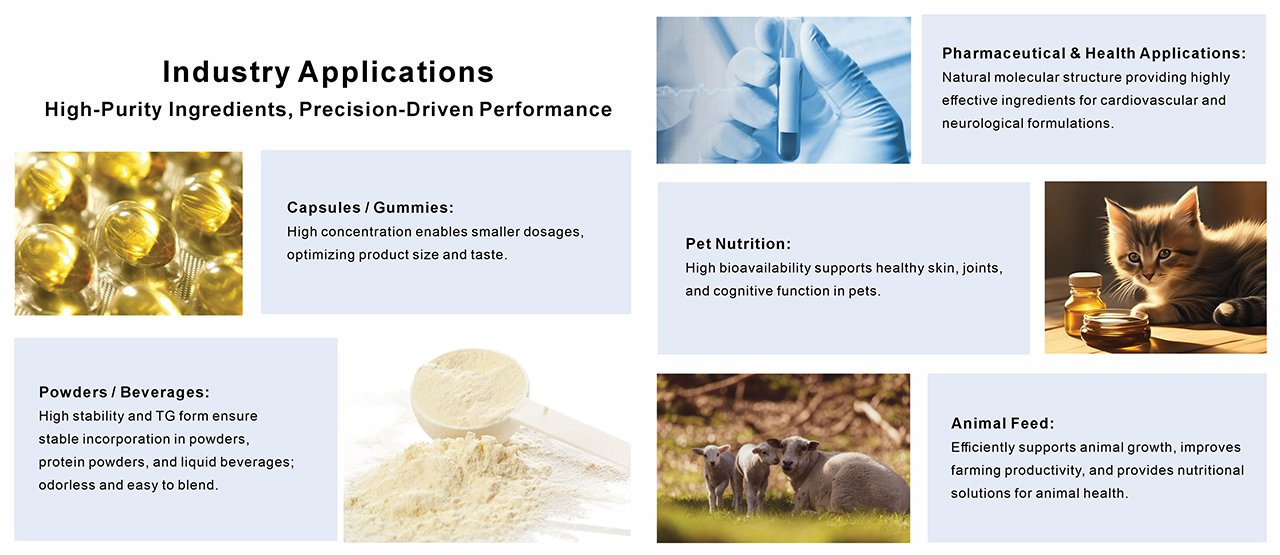
Due to its high purity, sustainability, and bioavailability advantages, rTG EPA algal oil is widely used across multiple industries.
Nutraceutical Supplements
• Omega-3 softgels
• Cardiovascular health supplements
• High-EPA formulations
• Anti-inflammatory nutrition products
9.Pharmaceutical Ingredients
• Omega-3 drug development
• High-purity EPA concentrates
• Lipid-based drug delivery systems
10.Functional Foods and Medical Nutrition
• Nutritional beverages
• Clinical nutrition formulas
• fortified foods
• healthy lipid blends
11.Biotechnology and Scientific Research
• lipid metabolism studies
• inflammation pathway research
• advanced omega-3 formulations
12.Technical Specification (Typical Values)
Product Name:Nannochloropsis Algal Oil EPA rTG
Source:Nannochloropsis microalgae
Form:Oil
Molecular Structure:Re-esterified triglyceride (rTG)
EPA Content:Typically ≥60% (customizable)
Appearance:Light yellow to amber oil
Odor:Characteristic marine lipid odor
Extraction Method:Microalgae cultivation → oil extraction → molecular distillation → enzymatic rTG restructuring
Applications:Nutraceuticals, pharmaceuticals, functional foods, lipid research
13.OEM & Custom Manufacturing
For industrial buyers and ingredient manufacturers, flexible supply solutions are available:
• Custom EPA concentration levels
• Bulk packaging for industrial production
• Private label manufacturing
• Contract manufacturing and formulation support
This product can be tailored to meet the technical requirements of global nutraceutical, pharmaceutical, and functional food manufacturers.
FAQ
1 What is rTG EPA oil?
rTG EPA oil refers to omega-3 oil in the re-esterified triglyceride structure, which is produced by enzymatically converting ethyl ester omega-3 fatty acids back into triglycerides for improved absorption.
2 Why use microalgae-derived EPA instead of fish oil?
Microalgae are the original producers of marine omega-3 fatty acids and provide a sustainable source without relying on fish harvesting or marine ecosystem extraction.
3 Does Nannochloropsis oil contain DHA?
No. Nannochloropsis oil naturally contains EPA without DHA, which is useful for targeted EPA formulations.
4 What industries use EPA algal oil?
The product is widely used in nutraceutical supplements, pharmaceutical ingredients, functional foods, and scientific research.
5 What is the advantage of the rTG form?
The rTG structure closely resembles natural dietary fats and is known for higher absorption and bioavailability compared with ethyl ester omega-3 oils.
6 Is microalgae EPA oil environmentally sustainable?
Yes. Microalgae cultivation uses photosynthesis and carbon dioxide, making it one of the most environmentally friendly omega-3 production methods.
7 Can EPA algal oil be used in pharmaceutical formulations?
Yes. High-purity EPA oils are commonly used as raw materials for pharmaceutical omega-3 formulations and advanced lipid therapeutics.
8 What packaging options are available?
Bulk industrial packaging such as drums, IBC tanks, or customized packaging can be provided according to customer requirements.
9 Can EPA concentration be customized?
Yes. EPA concentration levels can be customized for specific product formulations or downstream refining processes.
10 Do you offer OEM or private label services?
OEM, private label manufacturing, and custom formulation support are available for global nutraceutical and pharmaceutical brands.

Reviews
There are no reviews yet.