Why Fulvic Acid Content Defines the Quality of Shilajit Extract
Why Fulvic Acid Content Defines the Quality of Shilajit Extract Shilajit Extract Quality Guide: Fulvic Acid Levels Explained Fulvic Acid: The Core Value Marker in Shilajit In global nutraceutical sourcing, fulvic acid content has become the most referenced quality indicator for Shilajit Extract. While Shilajit naturally contains humic substances, minerals, and organic acids, fulvic acid…
Why Fulvic Acid Content Defines the Quality of Shilajit Extract
Shilajit Extract Quality Guide: Fulvic Acid Levels Explained
Fulvic Acid: The Core Value Marker in Shilajit
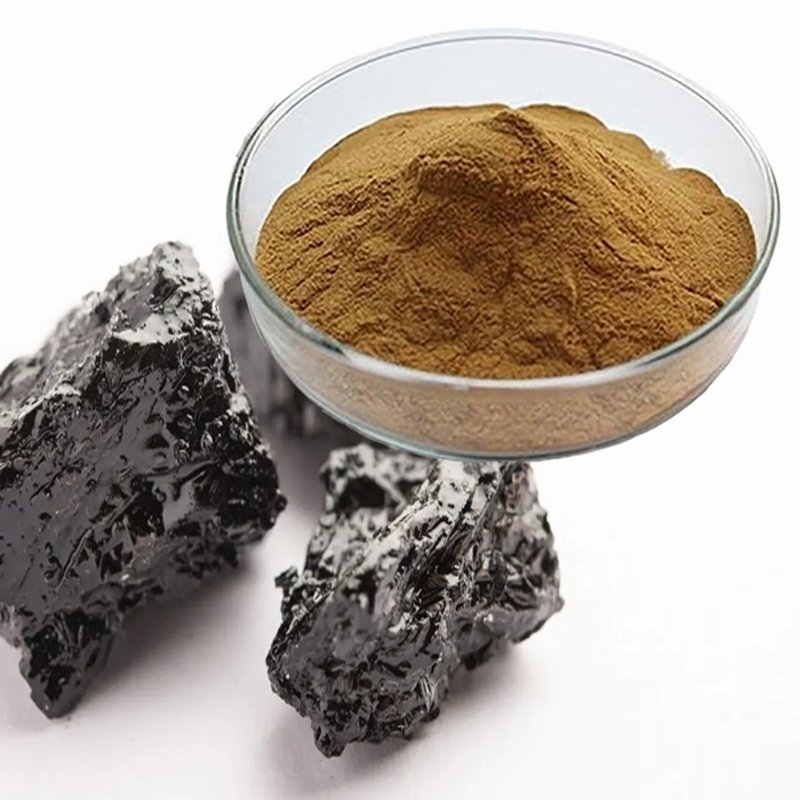
In global nutraceutical sourcing, fulvic acid content has become the most referenced quality indicator for Shilajit Extract. While Shilajit naturally contains humic substances, minerals, and organic acids, fulvic acid stands out due to its bioavailability and functional versatility.
👉 Ingredient overview:
Shilajit Extract
What Is Fulvic Acid and Why Is It Bioavailable?
Fulvic acid is a low-molecular-weight organic compound formed during the natural decomposition of plant matter over centuries. Its small molecular size allows it to:
•Chelate minerals and trace elements
•Enhance nutrient transport across cell membranes
•Support metabolic and cellular functions
This makes it particularly attractive for energy, vitality, and absorption-focused formulations.
Fulvic Acid Levels: Why Percentages Matter
International buyers commonly request Shilajit extracts standardized to:
•20% fulvic acid – entry-level formulations
•50% fulvic acid – mainstream nutraceutical standard
•60–80% fulvic acid – premium or concentrated formulas
Higher percentages are not only a marketing claim but directly influence dosage design, formulation efficiency, and cost structure.
👉 Available specifications:
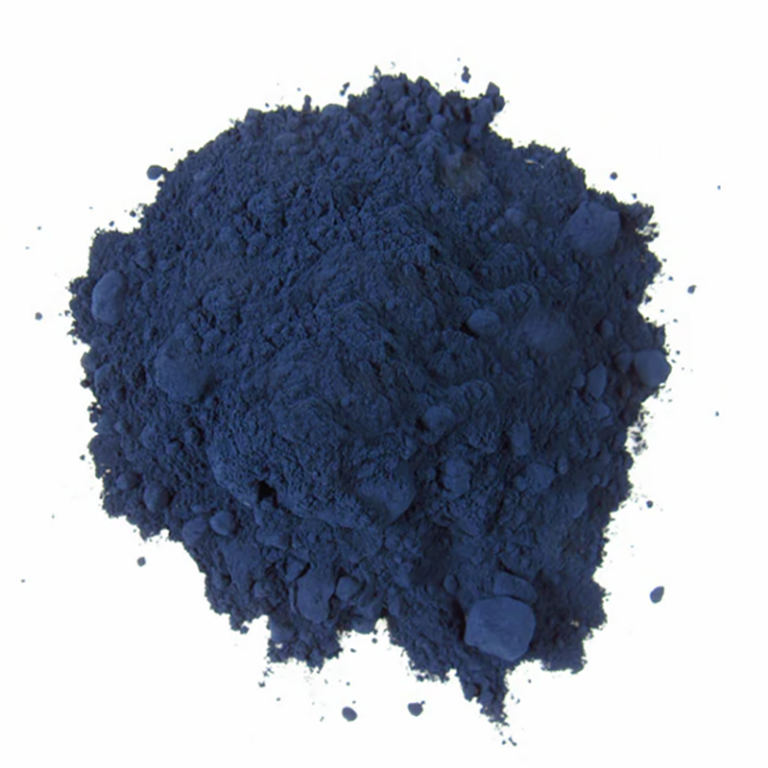
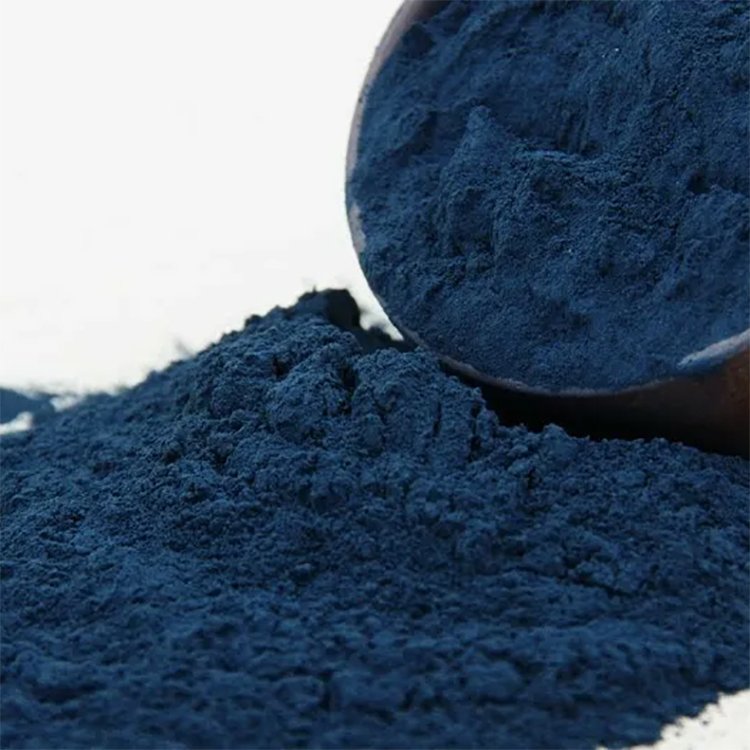
Shilajit Extract Powder
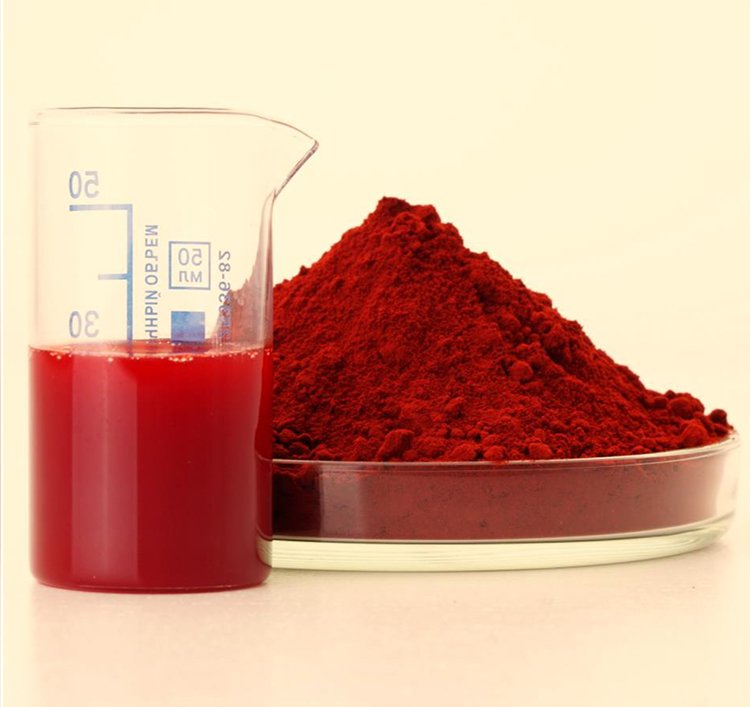
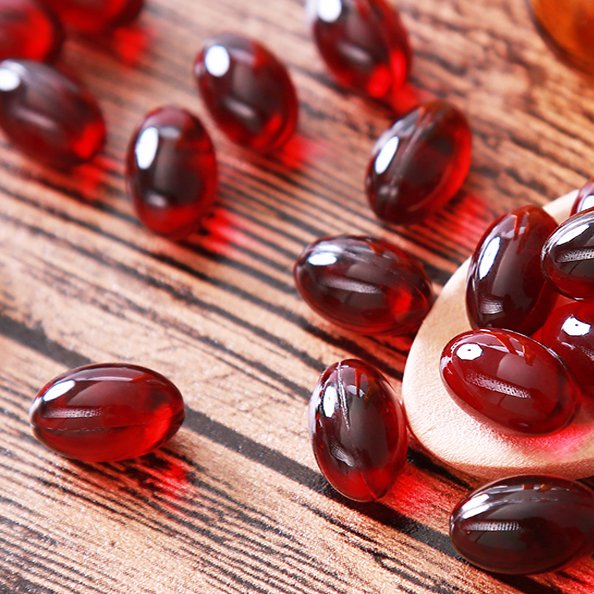
Shilajit Extract Resin
Extraction Method Determines Fulvic Acid Stability
Water-based extraction remains the preferred method for Shilajit because it:
•Preserves natural fulvic acid structure
•Avoids solvent residue risks
•Supports clean-label positioning
Reputable suppliers focus on controlled concentration and purification, not aggressive chemical extraction.
FAQ 1 What is Shilajit Extract?
Shilajit Extract is a purified and standardized extract derived from natural Shilajit Asphaltum using aqueous extraction, designed for use in dietary supplements and functional products.
FAQ 2 What is the difference between Shilajit Extract Powder and Paste?
Powder is suitable for capsules, tablets, and large-scale production, while paste (resin) offers higher bioactive density and premium positioning for liquid or traditional formulations.
FAQ 3 What is fulvic acid and why is it important?
Fulvic acid is a key bioactive component in Shilajit that supports nutrient absorption and cellular functions. It is commonly used as a quality indicator.
FAQ 4 What fulvic acid levels are available?
Standard specifications range from 5% to 80%, depending on application and market requirements.
FAQ 5 Is your Shilajit extract water-extracted or solvent-extracted?
Our Shilajit Extract is produced using water-based extraction to avoid solvent residues and support clean-label positioning.
FAQ 6 Is Shilajit Extract compliant with EU / US regulations?
Yes. Heavy metals and microbiological parameters are controlled within international food supplement limits.
Request fulvic acid specifications and COA samples.