Natural Indigo Powder vs Synthetic Blue Dyes
Natural Indigo Powder vs Synthetic Blue Dyes Bitter Melon Seed Embryo Peptide vs Whole Fruit Extract: Key Advantages Why Plant-Based Color Remember Matters As sustainability becomes a core purchasing criterion, manufacturers are reassessing their reliance on synthetic colorants. In this context, Natural Indigo Powder stands out as a plant-based alternative with both historical credibility and…
Natural Indigo Powder vs Synthetic Blue Dyes
Bitter Melon Seed Embryo Peptide vs Whole Fruit Extract: Key Advantages
Why Plant-Based Color Remember Matters
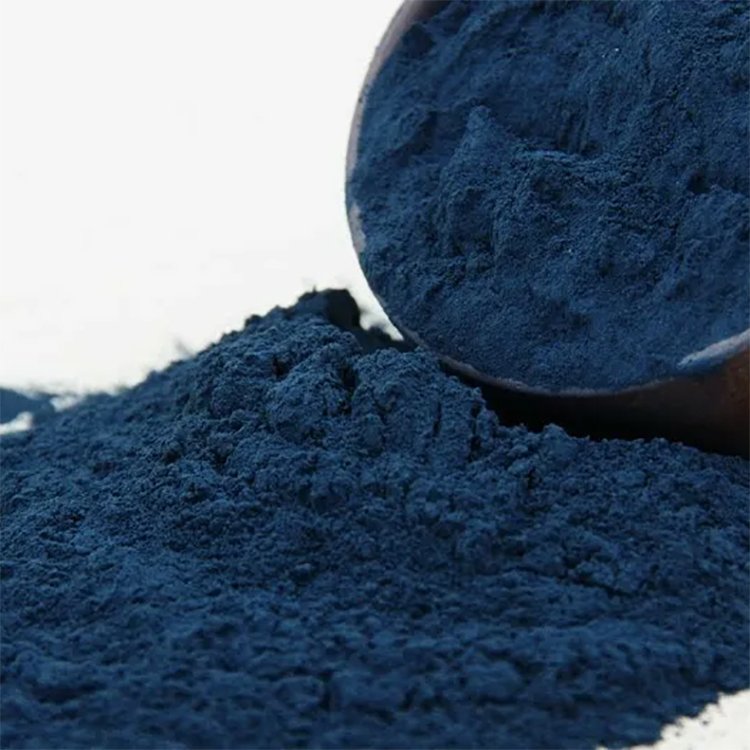
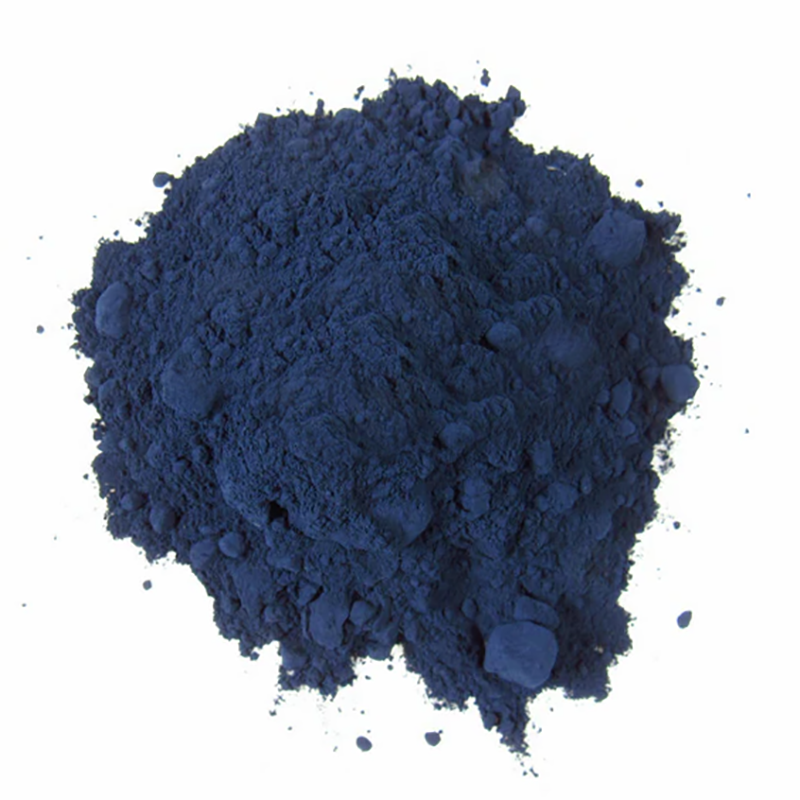
As sustainability becomes a core purchasing criterion, manufacturers are reassessing their reliance on synthetic colorants. In this context, Natural Indigo Powder stands out as a plant-based alternative with both historical credibility and modern relevance.
Key Differences in Origin and Composition
Synthetic blue dyes are typically petroleum-derived and designed for low-cost, high-intensity coloration. In contrast, indigo naturals originate from Indigofera leaves and retain a botanical matrix that supports clean-label positioning.
This difference is not merely philosophical—it directly affects formulation perception, regulatory alignment, and brand storytelling.
Performance and Application Considerations
While synthetic dyes may offer uniformity at low cost, many brands now prioritize traceability and biodegradability. For applications requiring sustainability alignment, plant-based indigo dye provides a more strategic choice.
Natural indigo powder also allows customization of pigment ratio and particle size, enabling better integration into diverse manufacturing systems.
Market Acceptance and Consumer Trends
In Europe, North America, and parts of Asia, consumer demand for botanical and natural ingredients continues to rise. This trend supports long-term adoption of natural colorants in textiles, cosmetics, and food-related applications.
FAQ
Q1: Can indigo content be customized?
Yes, pigment ratio can be adjusted based on application needs.
Q2: Can mesh size be specified?
Yes, different mesh sizes are available.
Q3: Do you support bulk supply?
Yes, industrial and bulk packaging options are available.
Q4: Are samples available?
Yes, sample and trial orders are supported.
Q5: Which markets do you supply?
We serve global B2B markets including Europe, North America, Asia, and the Middle East.
👉 Evaluating alternatives to synthetic dyes?
Discuss natural indigo solutions for your formulation.